Quick answer: Automatic engine stop-start technology can shut off the engine when the vehicle is stationary and restart it when conditions require. It is designed to reduce unnecessary idling, but operation varies by model, battery condition, cabin climate demands and software logic. A used car’s system not activating at one red light is not necessarily defective; however, erratic restarts or persistent system warnings deserve qualified diagnosis. Buyers should distinguish normal operating rules from real faults and check the correct battery and electrical service history.
Editorial method: This is evidence-oriented, original buyer guidance, not a claim that Car Focus tested the particular vehicles illustrated.
Automatic stop-start is different from push-button ignition
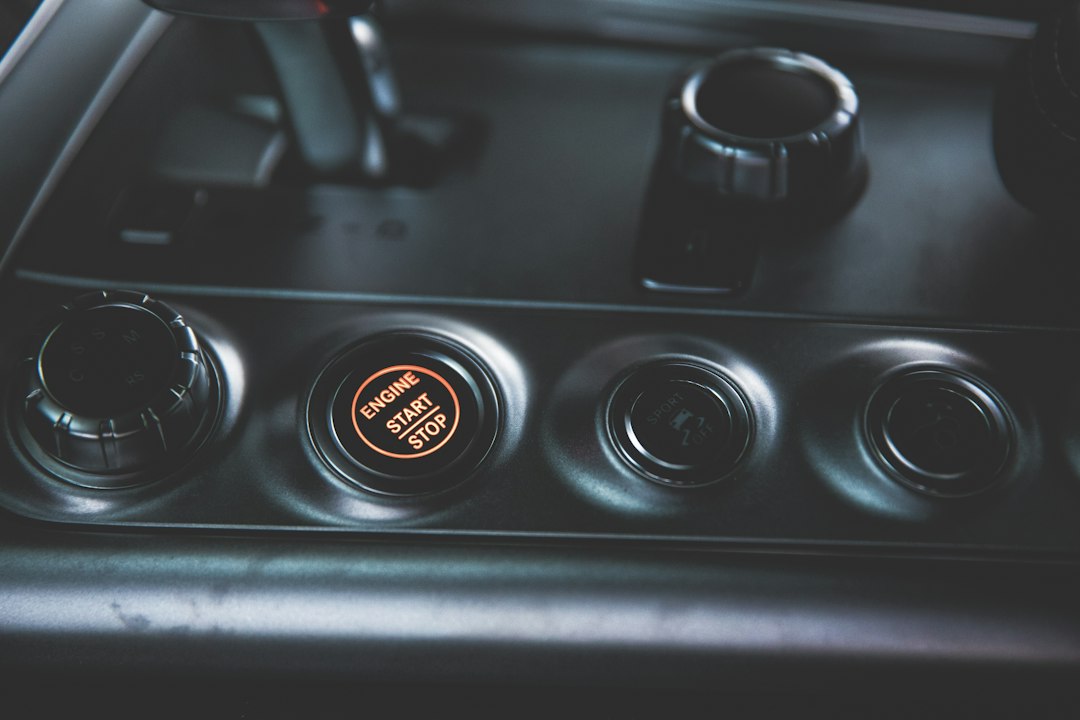
A dashboard push button labeled Start/Stop lets the driver control ignition, while automatic engine stop-start performs defined idle shutdowns during normal operation. Some vehicles have both, some one, and their mechanisms differ. Verify actual equipment from the exact trim and manual.
Do not conclude that a particular vehicle has idle stop-start just because of its ignition switch label. Automatic systems can use specialized starters, integrated starter-generators or other equipment depending on powertrain.
Normal conditions can inhibit automatic shutdown
The car may keep its engine running to support climate control, charging demands, warmup, defrost, or other safety and control conditions. Battery state, engine temperature and steering inputs can also affect operation. The owner’s manual describes restrictions for the specific car.
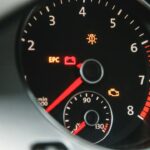
A permanent error message, rough restart or vehicle stalling is not normal simply because a dealer says ‘they all do that.’ Have the fault documented and checked with appropriate diagnostic tools.
The correct battery matters
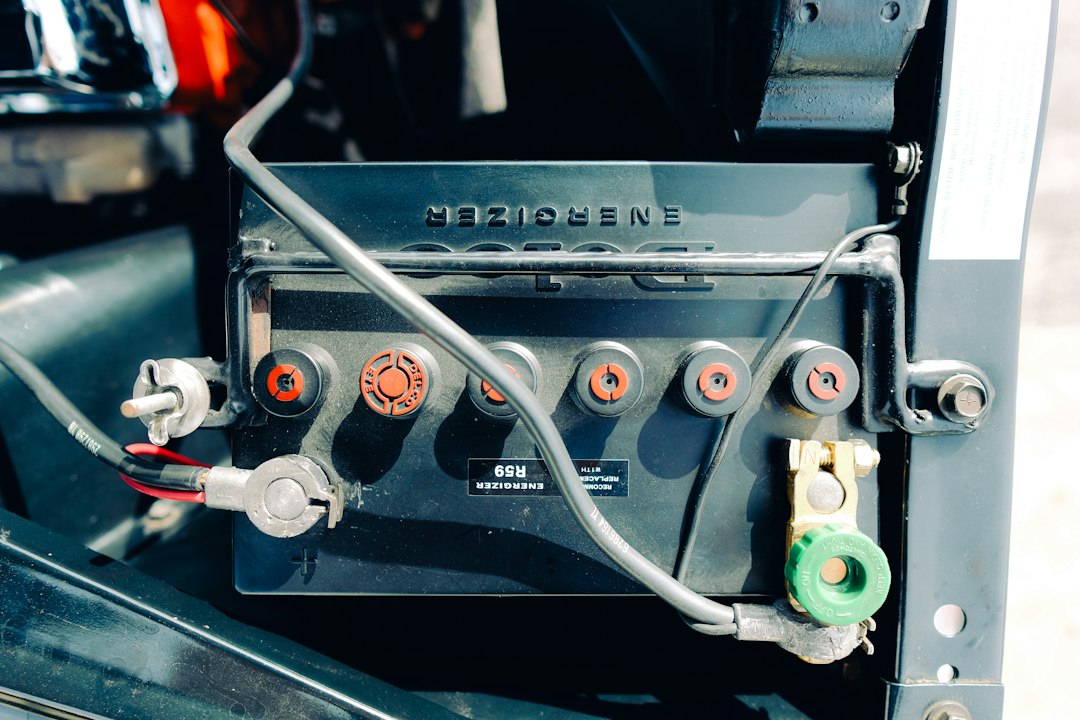
Many vehicles with idle stop-start specify particular battery technology, such as AGM or EFB, with required capacity and management-system procedures. Installing an incompatible ordinary battery can create charging or restart issues. The specification and replacement protocol vary by model.
Request a battery invoice, manufacturing date and test report. Some vehicles require battery registration or programming after replacement. Refer to our battery-versus-alternator guide for related fault assessment.
Starter, charging and electronic systems vary
A stop-start system may use a reinforced starter or different starter-generator design. Alternator output can be actively managed, meaning a single voltage reading does not necessarily identify a failed part. Ask a qualified mechanic to test the correct system under manufacturer procedures.
Repeated low-voltage warnings or hesitant restarts may involve a weak battery, charging equipment or sensor faults. Do not replace a starter purely from an internet description of the symptom.
Evaluate normal driving feel safely
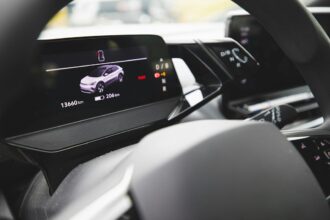
During a permitted ordinary drive, observe smooth stopping and restarting when the system naturally activates. Note any abnormal jolts, stalls or warning lamps. Do not trigger repeated starts in unsafe traffic or attempt to disconnect sensors to force the system to run.
Some models offer a driver-controlled disable function, with differing memory of that selection. Confirm what the manual says and whether a disabled setting explains the observed behavior.
Fuel economy savings depend on idling
Stop-start generally has a greater opportunity to reduce fuel consumption in traffic with frequent stops than in steady highway driving. Exact savings vary by car and use pattern, so avoid believing a universal percentage claim. The official EPA rating for the model is a better starting point.
Compare our real fuel-cost worksheet and FuelEconomy.gov rather than buying a car solely because it displays an idle-stop icon.
Maintenance and warranties require careful reading
Battery, starter, alternator and integrated systems may have different warranty and repair rules. Check the written coverage and service history for the exact car. An electronic warning reset is not proof that a root-cause problem was corrected.
Ask for installed repair estimates including any diagnostic and battery coding costs. A modest battery replacement can be a different ownership risk from an intermittent control-system fault.
Buy/no-buy checklist
Confirm the system exists, review normal activation rules, request proper battery and starter service documents, verify warning lamps and arrange a competent inspection if symptoms persist. Decide based on documented overall condition and total cost rather than whether the engine stopped at one red light.
A healthy stop-start system is not automatically a reason to reject a car, and a malfunction is not automatically a cheap battery fix. Model-specific diagnosis should settle the question.
Buyer verification table
| Symptom | Possible explanation | Next action |
|---|---|---|
| Engine stays on at stop | Expected operating restriction | Check manual and conditions |
| Warning present | System-detected fault | Professional diagnosis |
| Hesitant restart | Battery or starting issue | Starting/charging test |
| Battery replaced | Type or coding may matter | Verify service |
| Feature turned off | Driver selection | Confirm normal controls |
Frequently asked questions
Is the engine start button the same as automatic stop-start?
No. One controls ignition manually; the other manages idle shutdown.
Why might it not activate in hot weather?
Climate and battery conditions can inhibit operation.
Does every battery type work with stop-start?
No. Use the manufacturer-specified type and procedure.