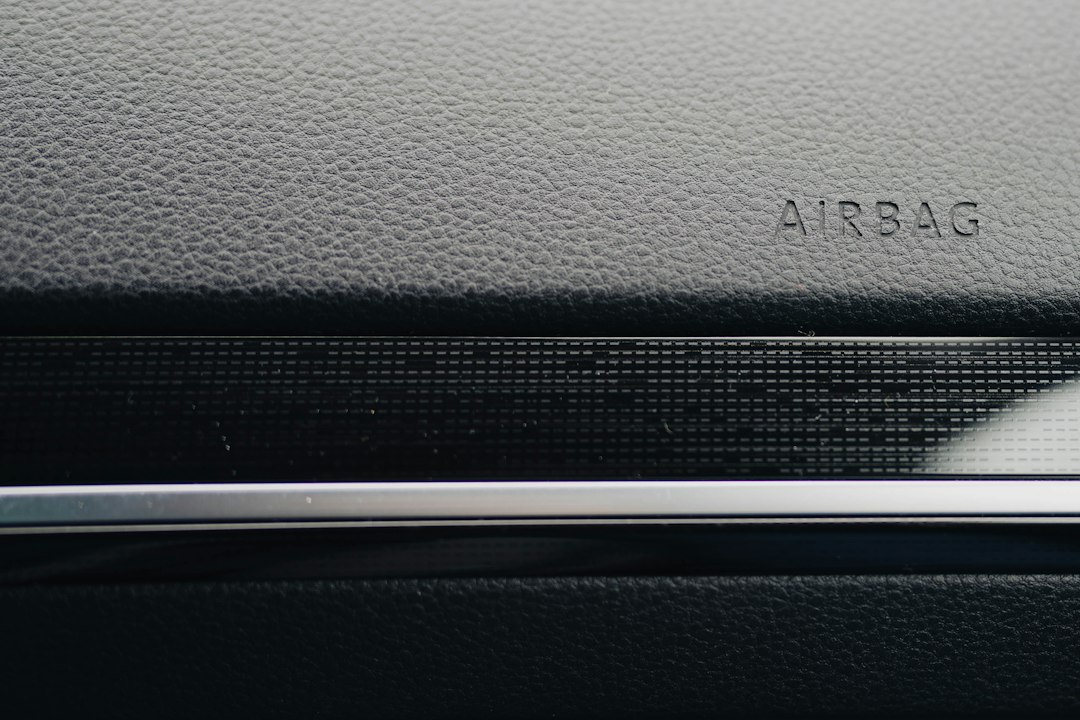
Quick answer: An airbag or supplemental restraint system (SRS) warning on a used car is a reason for careful investigation, not a cosmetic problem to ignore. Airbags, seat-belt pretensioners, sensors and electronic control modules work together to help protect occupants under specific conditions. A warning that stays on may indicate a detected fault, while abnormal start-up lamp behavior after a major crash repair can also warrant inspection. Only qualified diagnostics and documented repair history can establish whether the system is properly maintained.
Editorial method: This is evidence-oriented, original buyer guidance, not a claim that Car Focus tested the particular vehicles illustrated.
Understand what the restraint system includes
Depending on model year and trim, SRS can involve front and side airbags, curtain airbags, seat-belt pretensioners, occupant sensors, wiring and a control module. Every part has a specified role in certain crashes. Airbags supplement seat belts; they cannot make driving without seat belts safe. Review the exact owner’s manual rather than assuming every car with an airbag symbol uses the same hardware.
A vehicle may have separate passenger status lights and malfunction warnings. A passenger airbag-off display can be normal under certain conditions, while a persistent general SRS fault requires investigation. Ask the inspector to identify which indicator is illuminated and why.
Observe normal dashboard self-checks
Many vehicles briefly illuminate SRS indicators during ignition self-check and then extinguish them if the system reports normal operation. The timing and design vary, so consult the model-specific manual. A lamp that persists, flashes unusually or never behaves as described should not be dismissed by a seller. The dashboard status alone cannot establish that airbags were physically installed correctly.
Do not ask the seller to pull fuses, erase diagnostic codes or remove the warning bulb to create an apparently clear dashboard. A fault that was reset without repair may reappear, and deliberately suppressing warnings is unsafe.
Require correct SRS diagnostic equipment
Basic emissions OBD readers often cannot interrogate restraint modules. A qualified technician with manufacturer-capable diagnostics should review relevant codes, wiring and prescribed test procedures. A stored code might point to a circuit, not automatically to a single replaceable sensor. Ask for documentation of the actual cause and repair validation.
Never use test lights or improvised electrical measurements on live airbag circuits. Do not disconnect connectors or handle pretensioners yourself. Those are safety-critical devices and need specialized procedures and training.

Examine previous collision and airbag repairs
After certain crashes, airbags or pretensioners may deploy and require replacement. Body repair can also affect sensors, seat belts and wiring. Request collision-shop invoices identifying affected components, their source and correct manufacturer procedures. A repainted steering wheel or neat interior cannot confirm whether repairs were performed properly.
A structural specialist may need to inspect rails, mounting points and passenger compartments after significant impacts. Review our accident-damage checklist together with any history report; neither one independently proves all damage was disclosed.
Check seat belts and occupant equipment
In safe stationary conditions, confirm seat belts latch and release, retract appropriately and show no obvious cuts or fraying. Avoid testing deployment mechanisms or trying to disassemble belts. The mechanic should evaluate warning messages and any components requiring replacement after prior deployment. A car with removed or modified factory seats can have compatibility concerns.
Passenger occupant-detection systems depend on the manufacturer’s specification. An SRS or passenger-status warning that appears at unusual times deserves proper interpretation, particularly after seat replacement, aftermarket wiring or water intrusion.
Verify applicable recall status
Run the exact VIN through NHTSA’s official recall search and contact the manufacturer for unresolved safety campaigns. Some airbag recalls are urgent and can affect certain model years or parts rather than every vehicle sharing a badge. A recall repair receipt should identify the completed remedy, not merely a dealership visit.
Follow any manufacturer instruction not to drive an affected vehicle. Completing one recall does not certify the entire restraint system or eliminate separate collision-repair concerns.
Include SRS explicitly in the inspection scope
Ask whether the pre-purchase mechanic can evaluate restraint-system fault codes, lamp behavior and documented repairs. A normal mechanical inspection may omit advanced SRS checks. If necessary, use a qualified specialist and request a written report with limits and current concerns.
A safe ordinary test drive will not reveal whether airbags are correctly installed or able to deploy. Dangerous driving demonstrations are never appropriate. Use our inspector selection guide to choose the necessary scope.
Make the purchase decision from verified safety status
An unexplained SRS warning, damaged belt, suspicious prior deployment or seller refusal to permit proper checks should delay a transaction. A small discount cannot compensate for missing or compromised protection. If repairs are completed, request invoices and independent verification before agreeing to buy.
Pair restraint evaluation with brakes, tire condition, title history and other high-impact safety checks. A transparent seller and qualified inspection are more valuable than an immaculate interior with unresolved safety electronics.
Buyer verification table
| Evidence | What it establishes | Limit |
|---|---|---|
| SRS warning check | System-reported status | Not physical certification |
| Specialist scan | Detected fault information | Requires diagnostic interpretation |
| Repair invoices | Documented component replacement | Verify procedures |
| VIN recall search | Open safety actions | Separate faults still possible |
| Seat-belt inspection | Visible condition | Not crash testing |
Frequently asked questions
Is an airbag warning just a bad sensor?
Not necessarily. Several safety-critical causes are possible.
Can a generic scanner prove airbags work?
No. Correct SRS tools and procedures are needed.
Should I buy a car with unresolved SRS warnings?
Delay buying until a qualified professional establishes the cause and remedy.