Quick answer: A used car with uneven tire wear or a steering wheel that sits crooked on a straight road may need an alignment, but the issue can also involve tires, worn suspension joints or previous collision damage. A routine adjustment cannot correct broken components or severely bent mounting points. Buyers should document symptoms, have the chassis inspected and request a meaningful alignment report before accepting the seller’s promise that a quick shop visit will fix everything.
Editorial method: This is evidence-oriented, original buyer guidance, not a claim that Car Focus tested the particular vehicles illustrated.
Understand toe, camber and caster
Wheel alignment measures wheel angles relative to the car and road. Toe concerns inward or outward pointing, camber the wheel’s tilt, and caster aspects of steering-axis inclination. Manufacturers specify different acceptable ranges, and some angles are not adjustable on particular designs. Proper interpretation requires the exact model and vehicle loading conditions.
An alignment machine is not a substitute for a mechanical safety inspection. Suspension condition, tire pressure and damage should be assessed before adjusting the vehicle.
Different tread patterns suggest different issues
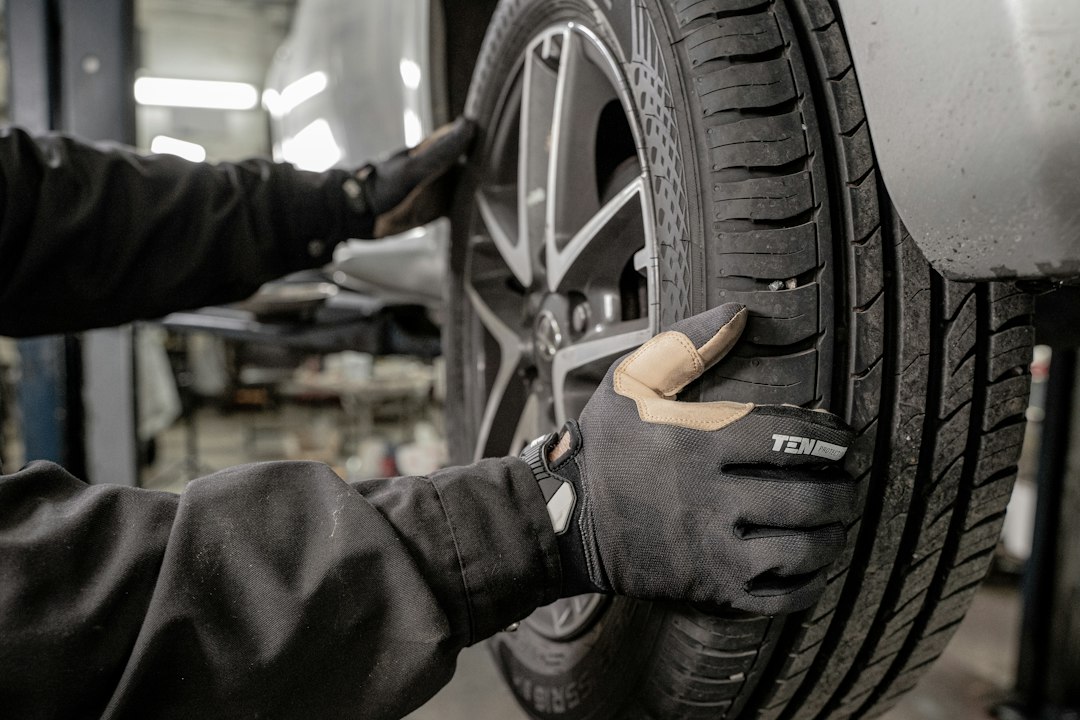
One-sided wear, feathering, cupping or patchy tread can indicate geometry, inflation, damping, wheel balance or usage differences. A tread pattern does not prove the root cause without other evidence. Have a technician measure tread at several positions and compare all four tires and their age.
Brand-new tires may temporarily conceal past problems. Ask whether they were installed after abnormal wear and what alignment or repair was completed at the same time.
Record steering pull under ordinary conditions
Road crown, side winds and tire behavior may cause some vehicle drift, while brake drag, bent parts or steering problems can also contribute. Observe only during normal permitted driving while keeping control of the steering wheel. Do not release the wheel to demonstrate a pull.
Describe whether correction is persistent on multiple suitable roads and whether the wheel sits centered. A mechanic can evaluate tire pressures, braking and chassis geometry under controlled conditions.
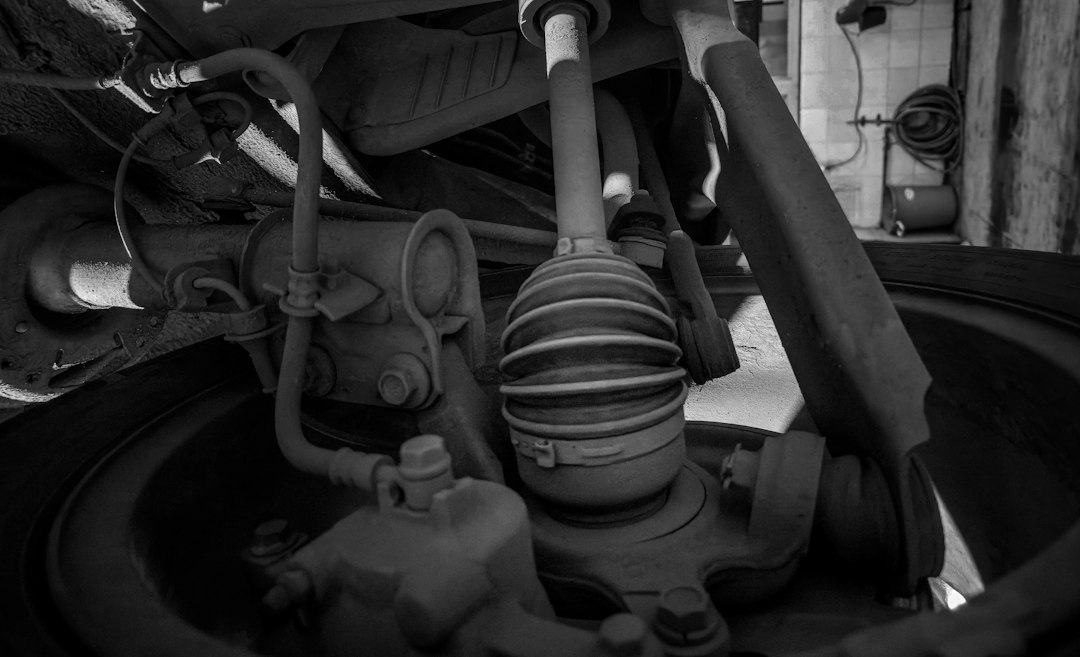
Look for suspension and steering wear
Loose tie rods, control-arm bushings or ball joints can affect alignment and cause abnormal tire wear. A technician should use manufacturer-safe inspection procedures and correct support equipment to assess play and mounting condition. Repairing worn or unsafe parts usually comes before a final alignment.
An inexpensive alignment cannot compensate for a broken steering component. If the inspector reports loose safety-critical parts, arrange repair before driving further or considering the vehicle roadworthy.
Previous collision repairs may affect geometry
Bent suspension arms, shifted subframes or chassis mounting damage may prevent proper alignment. Paint appearance alone cannot identify all structural issues. A collision specialist may be needed when measurements remain outside tolerances or wheel position appears unusual.
Review our accident damage guide and obtain shop documentation. Repaired collision damage is not automatically disqualifying if it was correctly assessed and remedied, but missing evidence adds uncertainty.
Modified wheels and ride height change assumptions
Oversized or staggered tires, spacers and lowered or raised suspension can introduce fitment and wear problems. Check exact wheel offset, tire sizes, load ratings and alignment records. Some modifications can affect driver-assistance calibration and headlight aim.
Read our modified-car checklist. A polished stance is not proof the modifications preserve original safe operating geometry.
Understand what an alignment printout proves
A documented before-and-after printout may show measured angles, applicable target ranges and adjustments performed. It provides information at that moment, not a lifetime guarantee. If a parameter remains out of specification, request a written explanation and further inspection.
Shop reports may not include all available mechanical tests. Match the report to the correct vehicle and relevant recent tire or suspension invoices before using it as purchase evidence.
Budget the complete remedy
A proper repair may involve worn parts, labor, alignment and prematurely worn tires. Get an actual quote rather than subtracting only the advertised price of a basic alignment. Compare condition-adjusted offers from other sellers, especially if the car also has vibration or unusual steering feel.
Review our tire replacement guide and ownership-cost framework. Safety and verified condition should take priority over a superficial discount.
Buyer verification table
| Observation | Potential source | Buyer action |
|---|---|---|
| One-edge wear | Alignment or usage | Measure all tires |
| Feathered tread | Toe or related cause | Alignment and joints |
| Crooked steering wheel | Geometry or prior work | Professional review |
| Pulling | Tire, brake, road or chassis | Road and mechanical diagnosis |
| Out-of-range alignment | Worn/bent component possible | Specialist inspection |
Optional tire-care shopping resource: Accessories do not fix unsafe steering or suspension. Car Focus may earn a commission from qualifying purchases.

Frequently asked questions
Does an alignment fix all tire wear?
No. Worn or damaged components may need replacement.
Are new tires proof alignment is fine?
No. New tires may conceal earlier abnormal wear.
Does pulling always mean collision damage?
No. Several tire, brake and road factors may contribute.