Quick answer: Buying a modified used car requires more research than buying an equivalent stock vehicle. A set of replacement wheels can be straightforward, but an undocumented engine tune, changes to safety restraints or improperly installed suspension may affect handling, repair costs, insurance and emissions legality. The key is to identify exactly what changed, verify installation quality, obtain competent inspections and price the risks instead of assuming every modification adds resale value.
Editorial note: This guide is research-based; no modified vehicle was independently tested by Car Focus for publication.
Catalog every change from factory specification
Request a written modification list, including engine management software, turbo or exhaust parts, intake, suspension, steering components, tire and wheel sizes, brake upgrades, sound systems and nonfactory lighting. Compare it with the original model-year factory equipment. A seller may describe a car as stock after removing visible accessories, although altered calibration or wiring may remain.
Save invoices, builder notes, calibration and alignment records. Ask who performed the work and whether original parts come with the car. Some replacement parts are ordinary maintenance; others deliberately change system behavior. A VIN decoder alone will not reveal work done after the car left the factory.
Investigate ECU tunes and performance modifications
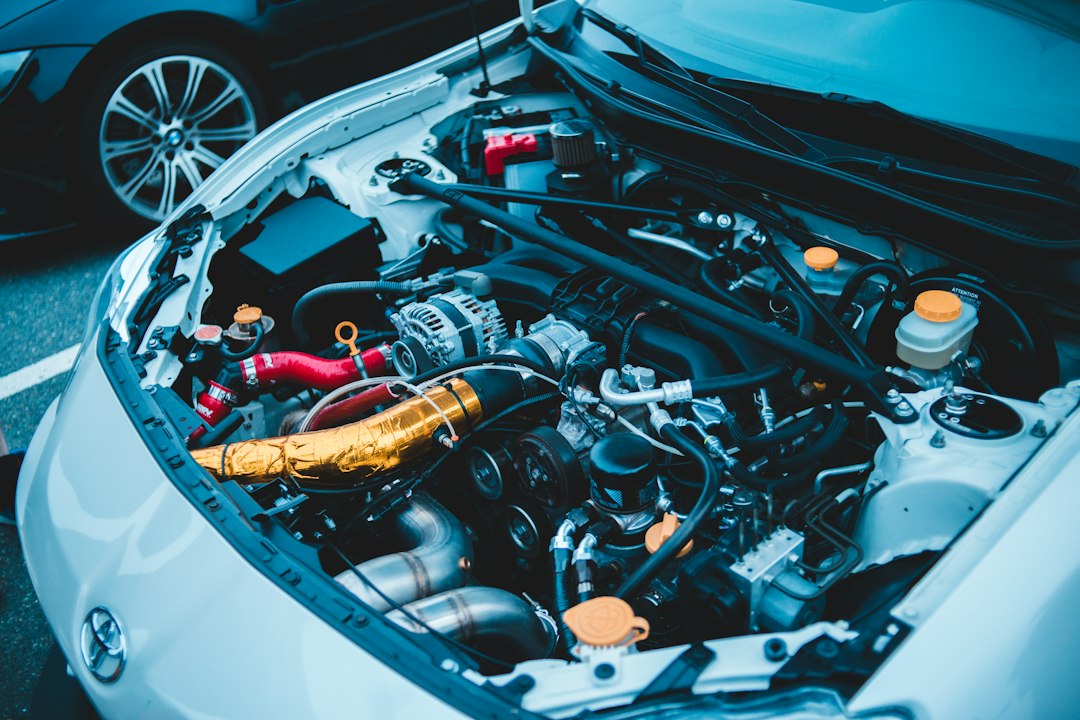
Engine tuning may change fuel, ignition, turbo boost and emissions control behavior. Ask for the software tuner, current map, hardware compatibility, fuel requirements and proof of professional validation. Claims about horsepower are not evidence of reliable operation. A specialist can review fault data and inspect for heat, oil or driveline problems.
A modification can affect warranty coverage for a related failure, while the mere presence of a nonfactory part does not automatically void all warranties. Confirm actual terms and laws instead of relying on forum claims. A car with significant undocumented tuning is better treated as an uncertain mechanical project than as a guaranteed upgrade.
Check tire and wheel fitment carefully
Nonstandard offsets, oversized wheels and extreme tire sizing can affect clearance, steering response, wheel-bearing loads, speedometer behavior and ride quality. Examine sidewalls, load ratings, wheel spacers, lug hardware and tire rubbing. Ask whether the builder performed a proper alignment and whether the car operates normally through steering travel.
More expensive wheels do not necessarily improve braking or road grip. A tire with the wrong load capacity or poor clearance can create a safety risk. Document the actual tire size and compare with manufacturer requirements and any modification-specific engineering guidance. See our tire inspection guide.
Suspension changes need mechanical verification
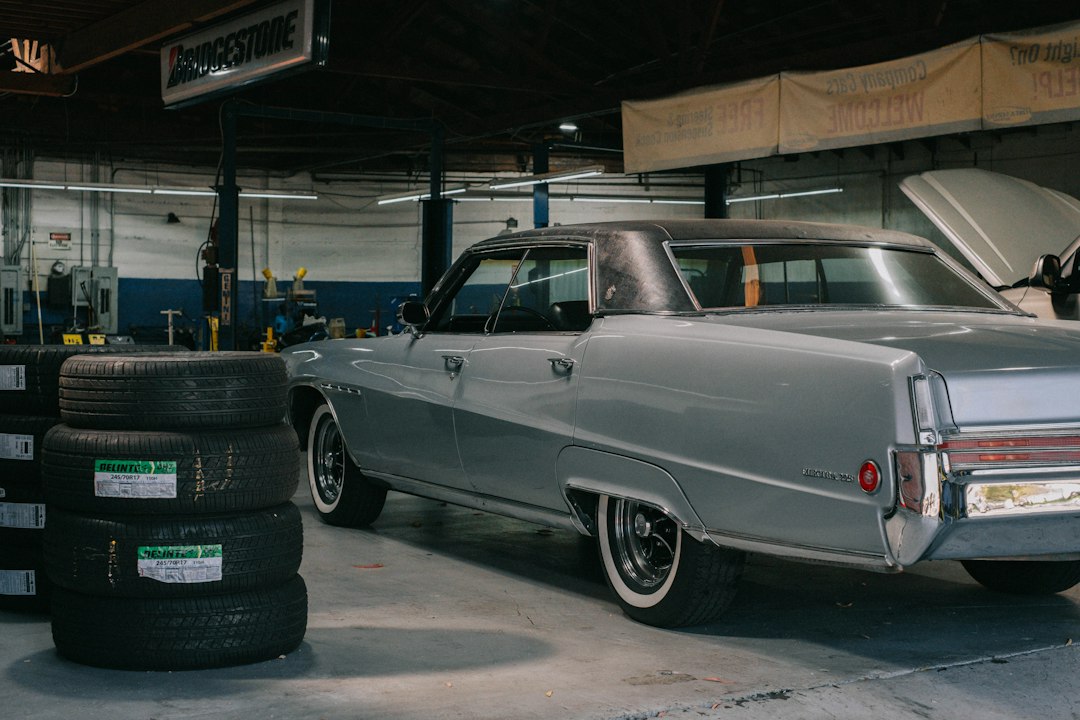
Lowering springs, adjustable coilovers, lift kits and aftermarket control arms can be installed competently or badly. Look for abnormal stance, tire wear, unstable handling, steering noise and damaged mounting points. A mechanic familiar with that chassis should examine fasteners, geometry and whether safety-critical structures were altered.
Altered ride height may also affect the operating assumptions of headlamp aiming and driver-assistance technologies. Do not assume any alignment will make a poorly engineered suspension safe. If significant welded or cut structural alterations exist, a specialist body or chassis inspection is warranted before driving.
Emissions systems and inspection rules still apply
Exhaust or engine tuning that removes, defeats or bypasses required pollution-control components can create federal and state regulatory problems. Ask for emissions-compliant parts documentation and check local testing requirements where the car will be registered. A clean-looking engine bay does not prove that the catalytic converters or software remain compliant.
Do not purchase a modified vehicle solely on the promise that it will pass inspection after clearing diagnostic codes. An independent technician should review emissions monitor readiness, installed hardware and relevant manufacturer specifications. Modifications illegal for road use cannot be made safe or legal merely by negotiating a discount.
Examine electrical systems and restraint integrity
Custom stereos, alarm systems, lighting and accessory wiring may cause parasitic battery drain, shorts or intermittent faults when poorly installed. Check whether circuits were fused, whether exposed wiring is protected and whether airbags, seatbelts or stability systems remain functional. A low-quality harness splice near a safety system deserves immediate attention.
Avoid disassembling a seller’s electrical panels yourself. A qualified shop should diagnose suspicious installations. Check dash warnings before and after ordinary engine start, and request repair records if factory airbags or restraint components were replaced. Safety-system deletion is a substantially different risk from cosmetic accessory fitting.
Insurance, financing and resale may be different
Disclose material alterations to your insurer, particularly performance, commercial use, expensive aftermarket equipment or structural changes. Confirm whether the lender or warranty provider has restrictions on modified vehicles. A seller’s assurance that every carrier insures tuned cars is not binding on your future insurer.
Do not treat installation invoices as a dollar-for-dollar addition to the car’s market value. Aftermarket modifications can reduce the available buyer pool or future trade-in offers. Compare an equivalent stock example and estimate the cost to repair or restore modified components if necessary.
Use a specialist inspection before committing
Ask the inspector to list significant alterations, current faults, legal or safety concerns, scope limitations and estimated repairs. A technician knowledgeable about the exact engine and suspension architecture may be necessary. Avoid aggressive test driving or disabling electronics to demonstrate modifications.
If modifications are modest, professionally documented and relevant to your needs, buying can be reasonable at an appropriate price. Walk away from uncorrected dangerous suspension work, missing safety restraints, emissions tampering or unresolved title issues. Read our powertrain guide and the full inspection checklist before signing.
Modification screening table
| Modification | Verification | Main concern |
|---|---|---|
| ECU tune | Build sheet, fuel, codes | Reliability and emissions |
| Wheels and tires | Size, offset, load rating | Fit and safety |
| Lift or lowering | Alignment and mounting inspection | Handling and geometry |
| Electrical accessories | Wiring and fuse check | Fire and drain risk |
| Emissions parts | Approved configuration | Registration compliance |
Frequently asked questions
Are all modifications bad?
No. Quality, compatibility, documentation and intended use determine the practical risk.
Does installing aftermarket wheels cancel every warranty?
Not automatically. Coverage decisions depend on the relevant defect, warranty and applicable law.
Can I rely on a seller’s claim the tune is legal?
No. Verify emissions requirements and actual installed systems.