Quick answer: A weak starting battery and a failing alternator can produce overlapping symptoms, including difficult starting, dim lights and warning lamps. But a ‘battery light’ does not automatically mean the battery itself needs replacement. A conventional gasoline vehicle’s charging system includes a battery, alternator, wiring, connections and controls; some hybrids and EVs use different DC-DC charging arrangements. The right buying decision depends on proper diagnosis, not replacing the cheapest suspected part first.
Editorial standard: This guide synthesizes consumer information and practical inspection questions. It does not claim hands-on testing of any listed model, and specialized diagnosis requires qualified technicians.
Know what the battery does and what charges it
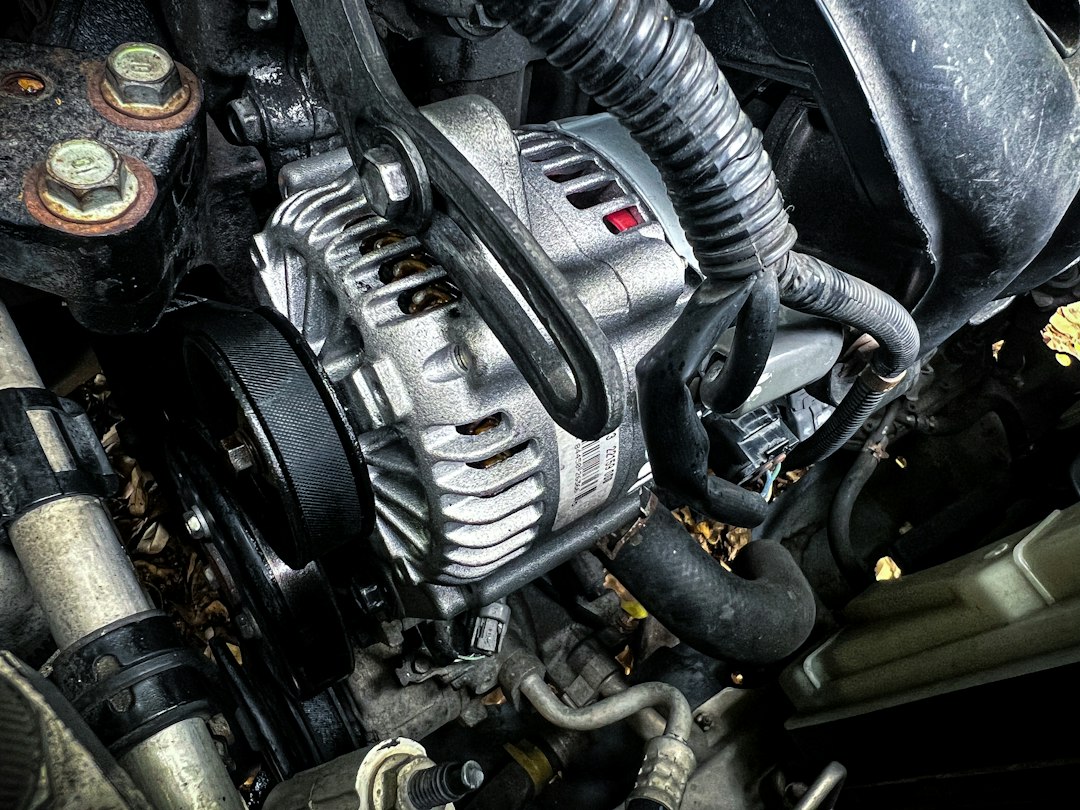
A conventional 12-volt automotive battery supplies electrical power for starting and supports vehicle electronics. With the engine operating, an alternator generally generates electricity and charges the battery under the car’s charging-system controls. Some modern stop-start vehicles use AGM or other specified battery types; replacing the battery with the wrong type can create problems.
Hybrids and battery-electric cars may have a 12-volt auxiliary system charged through DC-DC conversion rather than a conventional engine-driven alternator. Read the manufacturer’s documentation for the exact powertrain. Do not assume every car uses the same voltage profile, battery service procedure or charging hardware.
Starting trouble does not prove a bad battery
Slow or hesitant cranking can result from a discharged or degraded battery, corroded terminals, poor grounding, starter faults or other causes. An engine that cranks normally but does not fire may have fuel, ignition, immobilizer or mechanical problems. Describe what actually happens: no crank, slow crank, clicking, normal crank/no start or a warning message.
Test with the seller’s permission and note whether the fault happens after the vehicle has been parked overnight or only when hot. Do not repeatedly crank a struggling engine for long periods or attempt improvised electrical work. A qualified technician can distinguish poor battery health from a starter or charging fault.
Charging warnings may indicate alternator or wiring issues
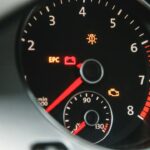
A charging-system warning while the engine runs can mean that the battery is not receiving proper charging energy. The cause may involve alternator output, belt drive, wiring, a control module, battery management or damaged connections. Headlights dimming with electrical load can be a clue but are not conclusive.
Some modern vehicles intentionally vary alternator output to improve efficiency. Therefore a single generic voltmeter reading interpreted without context may lead to a false diagnosis. A technician should use the vehicle’s prescribed testing method, compare under appropriate loads and investigate codes or voltage drops where relevant.
Check battery age, type and installation quality
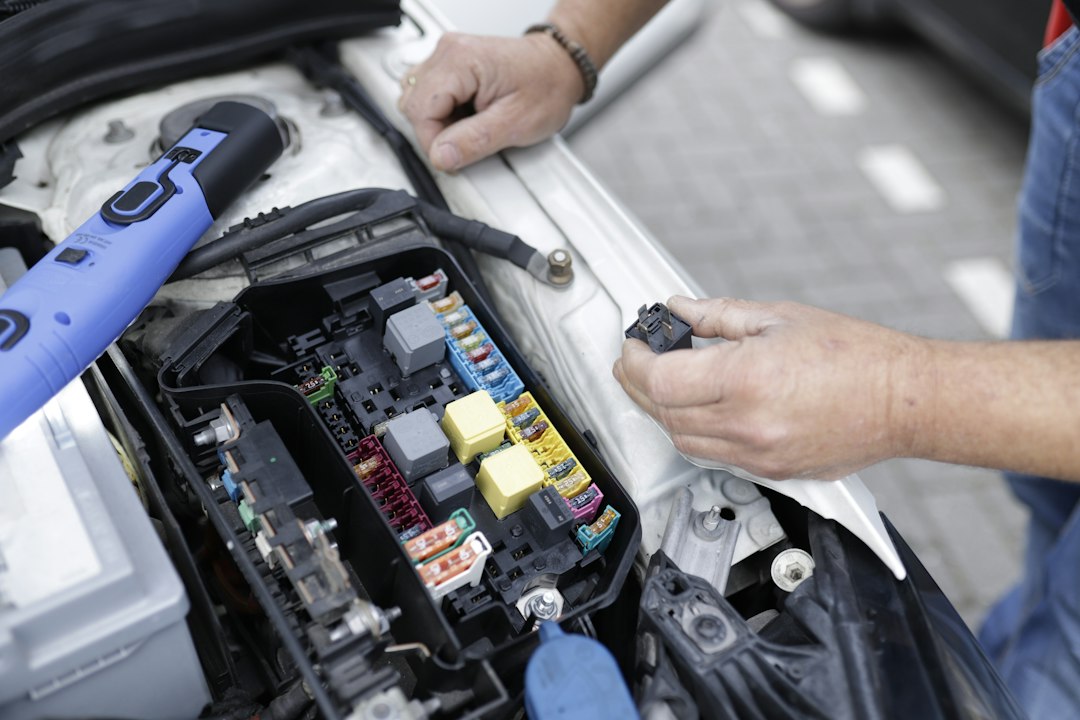
Look for a battery’s visible manufacturing or replacement date label, service receipts and correct fitment. Age is a risk indicator, not a fixed expiration date. Climate, charging habits, heat and storage affect service life. A newer battery may still be discharged because another component is faulty or because the vehicle was left unused for weeks.
Inspect terminals and hold-down hardware for corrosion, looseness or leakage only at a safe distance. A loose or incorrectly secured battery can create hazards. Some vehicles require registration or coding of a replacement battery using manufacturer-specific procedures, so do not treat every battery change as a simple universal swap.
Ask for a load and charging-system test
A professional battery test can evaluate condition under specified loads and provide a more useful result than the dashboard voltage display alone. A technician may also test alternator charging behavior, wiring voltage drops and current draw when the car is parked. An unexplained parasitic electrical drain can repeatedly discharge a healthy battery.
Request a written test result identifying the battery type, state of charge, test method and technician’s interpretation. If the battery fails, ask why and whether another fault caused the failure. A successful jump-start only proves the vehicle could start with external assistance under those conditions, not what originally caused the problem.
Electrical symptoms that deserve more than a quick test
Intermittent loss of power, repeated sensor warnings, infotainment resets, unexpected battery discharge and electrical burning odors deserve investigation. Water damage, previous collision repairs or nonfactory aftermarket wiring can contribute to faults. A recently installed stereo or alarm may be relevant, but an accessory’s presence does not prove it caused the condition.
Ask whether any repairs were attempted and request dated invoices. Electrical diagnosis often requires following circuits and reproducing intermittent faults; cost may exceed a simple battery replacement. A vehicle with unresolved widespread electrical problems may not be an appropriate risk for a tight used-car budget.
Avoid dangerous battery and alternator experiments
Do not disconnect the battery while an engine is running as a diagnostic test. That old shortcut can create electrical hazards and risk damaging modern electronics. Do not short battery terminals, handle exposed high-voltage parts, or reach into moving belts or fans. A proper charging evaluation is conducted by trained personnel with suitable equipment.
If a car stalls, loses charging power or presents critical warnings, safely end the road test and request professional help. Do not attempt to drive a seller’s car ‘until the battery runs out’ to learn whether the alternator works.
How to decide whether the car is worth buying
Ask for a specific root-cause diagnosis, realistic repair estimate and documentation of completed work. A routine worn battery with a properly functioning charging system is different from a recurring electronic module or wiring fault. Compare the confirmed expense with other vehicles, factoring warranty and service records.
Keep the electrical findings with our pre-purchase inspection checklist and maintenance record review. Buying based on one dashboard icon without a competent evaluation is an avoidable gamble.
Inspection decision table
| Observation | Possible cause | Recommended action |
|---|---|---|
| Slow crank | Battery, connections, starter | Battery/load and starting test |
| Charging warning | Alternator, belt, wiring, control | Charging-system diagnosis |
| Frequent flat battery | Aging battery or electrical drain | Battery and parasitic-load test |
| Electrical resets | Voltage supply or module issue | Qualified electrical diagnosis |
Use the table with the exact VIN, inspection scope and local costs rather than inferring a confirmed repair from a symptom alone.
Optional shopping resource: Battery-related car accessories do not substitute for a qualified charging-system test or safe battery handling. Car Focus may earn an affiliate commission from qualifying purchases.

Frequently asked questions
Does a battery light always mean a bad battery?
No. It frequently relates to the charging system; read the manual and obtain diagnosis.
Can a new battery fail if the alternator is faulty?
Yes. An unresolved charging fault can discharge a replacement battery.
Can I disconnect the battery with the engine running to test the alternator?
No. This can be unsafe and can harm modern vehicle electronics.
Sources and editorial methodology
- FTC — Used-Car Inspection Guidance
- NHTSA — Vehicle Recall Search
- Car Care Council — Maintenance Topics
Check manufacturer documentation, relevant state rules and qualified professional findings before acting on vehicle-specific risks.