Quick answer: An independent pre-purchase inspection can be the most valuable paid research step in a used-car purchase, but inspection services vary. A quick visual walkaround, a dealership’s multipoint checklist, a mobile technician’s assessment and a lift-based specialist’s review are not equivalent. Choose the inspector based on the car and the problems you need evaluated, confirm the scope and receive a written VIN-specific report with recommended actions and realistic cost estimates.
Editorial standard: This guide synthesizes consumer information and practical inspection questions. It does not claim hands-on testing of any listed model, and specialized diagnosis requires qualified technicians.
Independence matters more than the inspection label
A technician employed by the selling dealer may provide useful information, but the buyer should arrange someone who does not have a direct stake in the transaction when possible. The FTC specifically recommends independent mechanical inspection even if the car is certified or already has a dealer inspection report. Ask whether the inspector has any referral fee or relationship with the seller.
A manufacturer-trained technician, experienced independent repair shop or reputable mobile inspection professional may all be suitable for particular vehicles. Decide by qualifications and inspection capabilities, not a universal brand ranking. A specialist may be appropriate for high-voltage EV systems, certain premium transmissions, structural repairs or model-specific issues.
Confirm the inspector can evaluate your exact vehicle
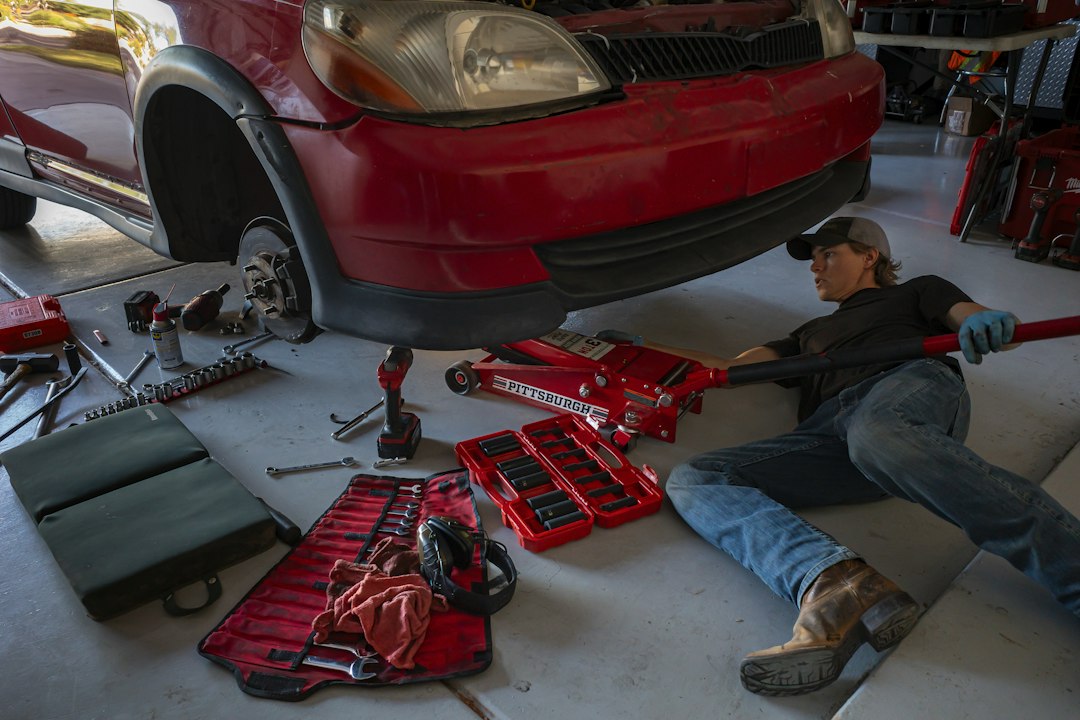
Ask whether the shop regularly works on the make, model year and powertrain, whether it has suitable scan equipment, and whether it can safely lift the vehicle or review its underbody. A mobile inspector can be an excellent alternative if a dealer will not allow off-lot travel, but some mobile visits cannot offer full lift access or advanced diagnostics.
Get the inspector to explain limitations before paying. A hybrid battery test may require specialized diagnostic access; a collision-damaged car may need a structural measuring specialist. Avoid interpreting a standard generic inspection as a certification of systems it could not examine.
Ask for a specific written scope before scheduling
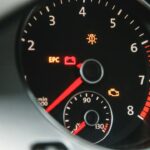
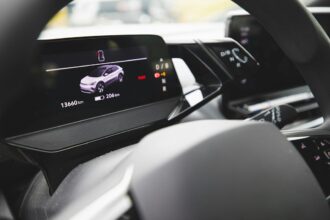
A good scope may address VIN identity, dash warnings, tires and date codes, brake and suspension condition, obvious leaks, engine cooling, transmission behavior, visible collision evidence and test drive when legally permitted. Ask whether service records, recalls or history reports are included or must be supplied separately. The broader your risk profile, the more important the limits of the report.
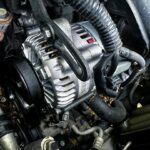
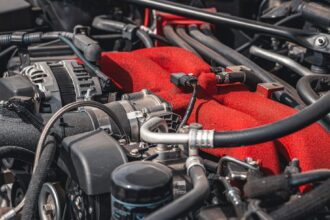
A technician should describe what it does not assess, such as internal engine parts, hidden structural damage, rare intermittent faults or components inaccessible without disassembly. A reasonable report is a snapshot of visible and testable conditions; it cannot guarantee future failure-free operation.

Written findings should distinguish severity and certainty
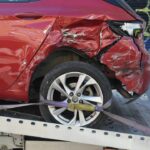
Ask for findings grouped into safety-critical, immediate mechanical attention, upcoming maintenance, cosmetic issues and uncertain conditions needing further diagnosis. A line saying ‘front-end noise’ is an observation; it is not proof that a particular control arm needs replacing. Photos, measurements and specific supporting data make the report more useful.
For each important item, ask the mechanic whether the fault was confirmed, whether more diagnostic time is required, how soon action is needed and whether continued operation is safe. Do not authorize a repair merely because an online forum attributes the symptom to an expensive component.
Get repair estimates with real parts and labor
An estimate should identify work recommended, parts quality or source where material, labor, shop fees and relevant taxes. Distinguish inspection charges from separate diagnostic time. A $150 inspection and a $1,000 repair estimate serve different purposes; neither number represents national pricing for every location or vehicle.
If an item could affect safety, request a professional judgment on whether the car is roadworthy. Ask whether a repair estimate is fixed or preliminary pending disassembly. When costs are uncertain, a range with documented assumptions is better than an unjustified exact figure.
What if the dealer refuses off-lot inspection?
Ask whether an independent mobile inspector can examine the car where it is parked, or whether the dealer will transport it to an agreed facility. The FTC explicitly describes these alternatives. If the seller refuses every reasonable independent assessment, consider another dealer rather than assuming the refusal is acceptable because the advertised price is low.
Any refundable deposit or inspection contingency should be documented before money changes hands. Avoid a sales agreement that commits you unconditionally before crucial inspection findings are known. The exact contract language and state rules matter, so read rather than assume legal protection.
Combine the report with title and recall evidence
The mechanical inspection does not establish legal ownership, title branding, odometer fraud or whether all recalls were remedied. Combine the written technician report with the verified VIN, title history, NHTSA recall search, maintenance records and your safe test-drive notes. A problem-free physical inspection cannot cleanse an unresolved title defect.
Likewise, a commercially produced vehicle-history report cannot replace a physical assessment. Use the evidence stack guide and our test-drive checklist to build one coherent purchase file.
Make the decision, then keep the report
Compare the quote with the car’s selling price, warranties and competing listings. If safety problems or major undisclosed work are found, walk away or require appropriate repair and reinspection before committing. Minor maintenance findings can become negotiation points when documented by real costs, but do not let a small discount distract from a fundamentally wrong vehicle.
Keep the report with service invoices after purchase and schedule upcoming work by date or mileage. The inspection is most useful when it supports a specific decision—buy, negotiate, diagnose further or reject—not when it becomes another paper in a forgotten folder.
Inspection decision table
| Inspection service | Likely strength | Important limitation |
|---|---|---|
| Mobile inspector | Convenient on-site screening | May lack lift or specialist tools |
| Independent repair shop | Access to equipment, diagnostics | Confirm brand expertise |
| Brand specialist | Relevant make-specific systems | May cost more or have availability limits |
| Collision specialist | Structural and repair assessment | Not necessarily powertrain inspector |
Use the table with the exact VIN, inspection scope and local costs rather than inferring a confirmed repair from a symptom alone.
Optional shopping resource: Vehicle inspection accessories can support recordkeeping but cannot replace professional mechanical evaluation. Car Focus may earn an affiliate commission from qualifying purchases.

Frequently asked questions
How much should a pre-purchase inspection cost?
Prices vary by market, vehicle, provider and inspection scope. Request local written quotes rather than assuming a universal fee.
Will an inspection guarantee no repairs?
No. Hidden and intermittent problems can remain undetected.
Can a mobile inspection substitute for a shop?
For some purposes yes, but ask about lift access and specialty diagnostics first.
Sources and editorial methodology
- FTC — Independent Inspection and Mobile Alternatives
- NHTSA — Recall Verification
- NMVTIS — Title History Verification
Check manufacturer documentation, relevant state rules and qualified professional findings before acting on vehicle-specific risks.