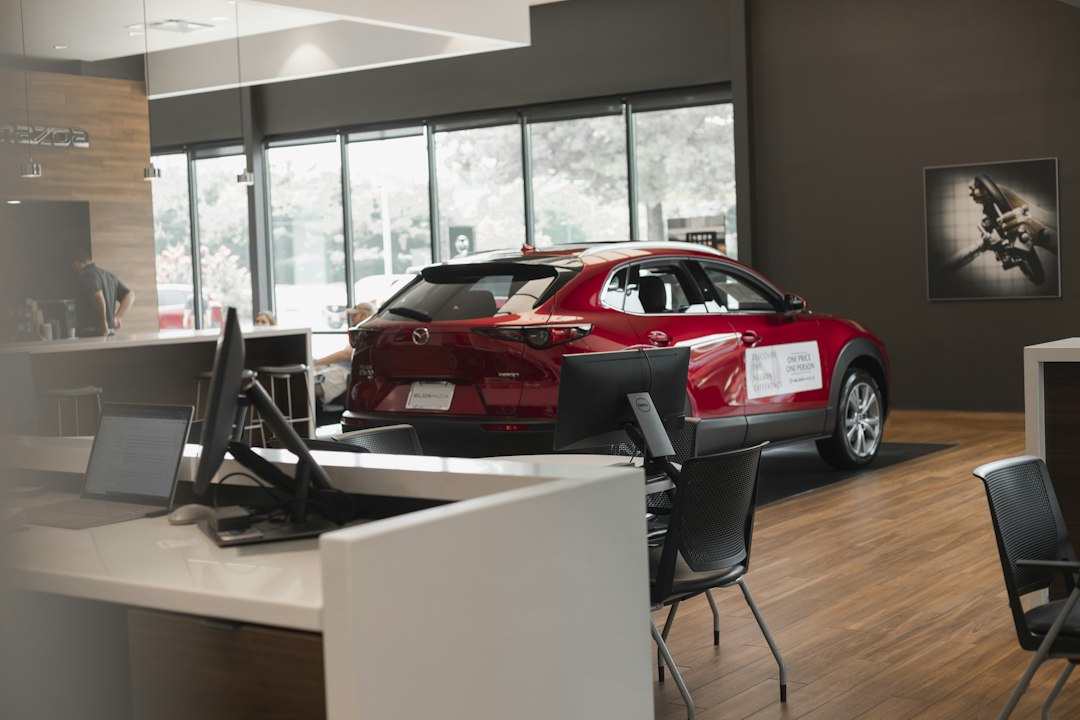
Quick answer: A vehicle history report and a pre-purchase inspection answer different questions. One checks events and titles recorded by data sources; the other examines the condition of the actual car. Treating either as a complete guarantee creates a blind spot. The safest buying process combines both with service documentation, a test drive and a VIN-based recall check.
This Car Focus guide provides a buyer-focused process with concrete checks and primary sources, rather than a universal score or unsupported guarantee.
What a history report tells you
A report may contain title state, title branding, recorded mileage, ownership records and certain insurance, repair or accident events. Coverage varies because not every source reports every event. The federal National Motor Vehicle Title Information System, or NMVTIS, provides important title-brand, salvage and junk-record information through approved providers. Commercial reports may add other events. Be explicit about which database a report uses before drawing conclusions from it.
What even a clean history report may miss
A collision paid for privately may not generate a record a reporting company receives. Home maintenance may not appear. An intermittent transmission issue, worn tires, moisture in an electrical connector or an aging battery often cannot be learned from a title lookup. A blank report line should be interpreted as no reported event in that source, not proof nothing happened. Ask the seller for service invoices and photograph the odometer at your visit.
What a mechanic can inspect in person
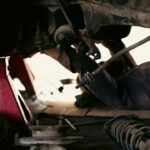
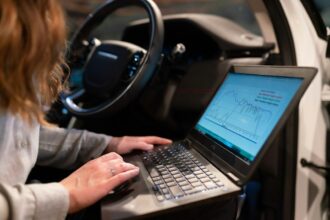
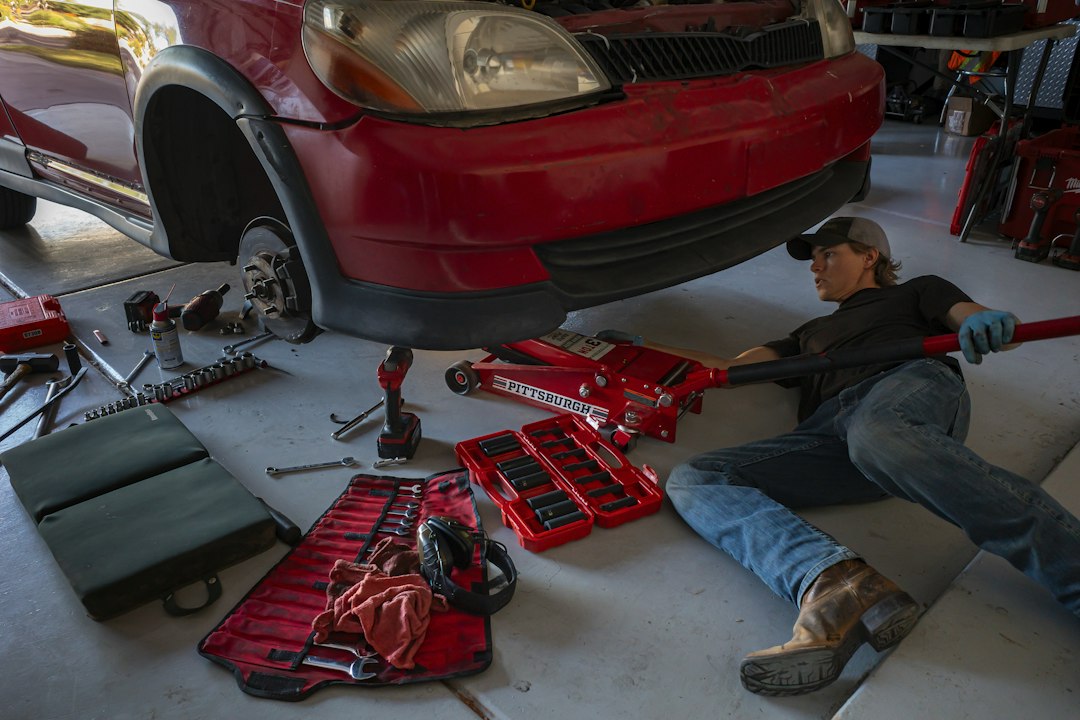
A qualified independent mechanic can check visible structural and suspension components, tires, brakes, leaks, the condition of fluids, diagnostic fault codes and evidence of repairs. They can identify repairs needing immediate attention and provide estimates. However, even a detailed inspection cannot promise no future breakdown; short visits may miss faults that happen only under specific temperatures or driving conditions. Ask for the scope and limitations in writing. The FTC recommends an independent inspection even on dealer-certified vehicles.
Run a four-layer evidence stack
Start with the exact VIN from the vehicle, not only a seller-supplied photograph. Match it to the title and listing, then buy an appropriate history report. Review inspection and maintenance records, test the controls and vehicle safely, and commission a mechanic’s report when the listing survives initial checks. Use the official NHTSA recall lookup for any outstanding safety action. Each layer answers a separate question about the identity, past, present and future risk of the car.
Resolve conflicts rather than averaging them away
An accident entry on a report may involve relatively minor repairs, while a clean report may hide an expensive undisclosed collision. If a body shop repaired damage, ask for invoices and whether safety or structural systems were involved. Similarly, a large mileage gap is not automatically fraud, but it needs an explanation. When documents contradict visible evidence, delay payment until a professional can clarify the issue. A good deal is not good when the unknown risk is unbounded.
Certified does not mean inspection-proof
Manufacturer-backed certified pre-owned coverage and a dealer’s own certified label are different propositions. Read exactly who backs the warranty, the term, deductibles, covered systems and transfer rules. Request the certification checklist and confirm whether repairs were completed or merely recommended. The FTC says dealer certification is not a replacement for independent evaluation. Compare any warranty value with the vehicle’s condition and the asking price rather than assuming it makes the purchase safe.
Use the findings to negotiate or walk away
Make a decision worksheet with three headings: verified good facts, costs and unresolved questions. Get estimates for actual repairs rather than a guessed negotiating discount. A low asking price may be outweighed by immediate tires, suspension work or unverified flood history. If the vehicle passes, preserve a copy of all reports with the signed paperwork. For more context, read Car Focus’s guide to estimating repair and ownership costs before buying used.
Decision comparison table
| Evidence source | Best at showing | Key blind spot |
|---|---|---|
| Title/history report | Recorded brands, owner events and mileage entries | Unreported repair work or present mechanical condition |
| Service receipts | Maintenance completed and at what mileage | Work performed without records |
| Independent technician | Present physical and mechanical issues | Hidden or intermittent faults beyond inspection scope |
| Test drive | Real-world operation and ergonomics | Problems not triggered on a short route |
Use the table as a starting framework, and record actual findings and written quotes for your own vehicle.
Buyer checklist
- Write down the exact VIN, model year and what is verified.
- Keep the written quote, report or inspection record with your decision file.
- Compare your options on the same criteria before making a commitment.
- Use qualified professional evaluation for concerns outside your expertise.
Optional shopping resource: Useful automotive tools for researching or inspecting a used car. Car Focus may benefit from qualifying purchases.

Frequently asked questions
Does a clean report mean a used car has never been damaged?
No. Data feeds are incomplete, and damage repaired without a report may not appear.
Is a mechanical inspection enough without history?
No. A car may drive well today while carrying major title or prior-loss problems.
Which comes first?
Verify the VIN and history to eliminate obvious problems, then pay for an independent inspection on the finalists.
Primary sources and methodology
Car Focus uses public consumer guidance and a structured buying framework. This article does not represent hands-on testing of a particular vehicle.
Related Car Focus reading: Used-car buying framework, reliability research, and ownership-cost planning.