
Short answer: the best used car is the one that fits your real use case, comes from a well-researched generation, passes an inspection, and leaves enough money in the budget for ownership after the purchase. A low price or a famous reliability reputation cannot compensate for a poor individual example.
Car Focus uses a layered buyer framework rather than a universal “top 10” list: define the job, narrow the generation and powertrain, verify safety and history, inspect the specific vehicle, and compare total ownership risk. That method is slower than chasing a badge or score, but it produces a decision you can explain.
Start with the job the vehicle has to do
Define the use case before comparing specific models. Daily mileage, passenger count, cargo needs, parking environment, climate, towing, road conditions, and expected ownership period all change what a good choice looks like.
A compact sedan may be ideal for an efficient commuter while an SUV may make more sense for a family that routinely carries people and gear. The goal is to avoid paying for capability you do not need while still protecting the requirements that matter every day.
Set a total budget, not just a purchase price
The sticker price is only the beginning. Build a budget that leaves room for taxes and fees, an initial inspection, tires, fluids, overdue maintenance, registration, insurance, and a repair reserve.
A cheaper vehicle with deferred maintenance can cost more than a slightly more expensive example with strong records and fewer immediate needs. Compare the condition and ownership history of the actual vehicle, not only the model’s reputation.
Use reliability evidence carefully
Reliability should be evaluated by generation and model year whenever possible. A model name can span many years of redesigns, engines, transmissions, electronics, and supplier changes. One generation may have a very different ownership profile from another.
Look for patterns across reputable sources instead of relying on one score. Manufacturer service information, recall databases, professional reliability studies, repair-cost sources, and owner-reported patterns can each answer different questions.
Check safety and recall status
Before buying, review crash-test information where available and check open recalls using the vehicle identification number. In the United States, the National Highway Traffic Safety Administration provides an official recall lookup at NHTSA.gov/recalls.
A recall does not automatically make a vehicle a bad purchase, but an unresolved safety recall should be understood before money changes hands. Confirm whether the remedy is available and whether the work has already been completed.
Inspect the specific car, not just the model
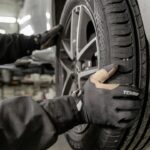
Even a highly regarded model can be a poor buy if it has collision damage, poor maintenance, warning lights, uneven tire wear, fluid leaks, or a neglected interior and underbody. Vehicle history reports can be useful, but they do not replace a physical inspection.
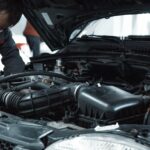
For an important used-car purchase, a pre-purchase inspection by a qualified independent technician can reveal problems that are not obvious during a short test drive.
Build a shortlist, then compare ownership tradeoffs
A practical process is to narrow the market to three to five models, compare their known generation differences, inspect current listings, estimate ownership costs, and then evaluate actual examples in person.
The strongest used-car choice is usually the vehicle that fits the use case, has credible maintenance history, passes inspection, and leaves enough room in the budget for normal ownership—not simply the one with the most impressive badge or headline rating.
Compare the generation, not just the badge
Two vehicles with the same model name can have very different engines, transmissions, safety systems, electronics, and known problem patterns because they belong to different generations. Before you call one model “reliable” or “unreliable,” identify the exact generation and model-year range you are actually shopping.
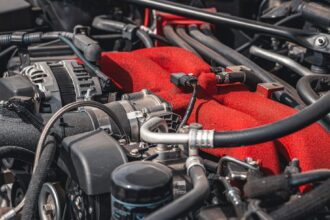
Then compare the major changes inside that generation. A mid-cycle refresh may add safety technology or correct an earlier weakness, while a new powertrain can introduce a completely different ownership profile. This is why Car Focus treats generation history as part of used-car research rather than as trivia.
Use a three-part inspection stack
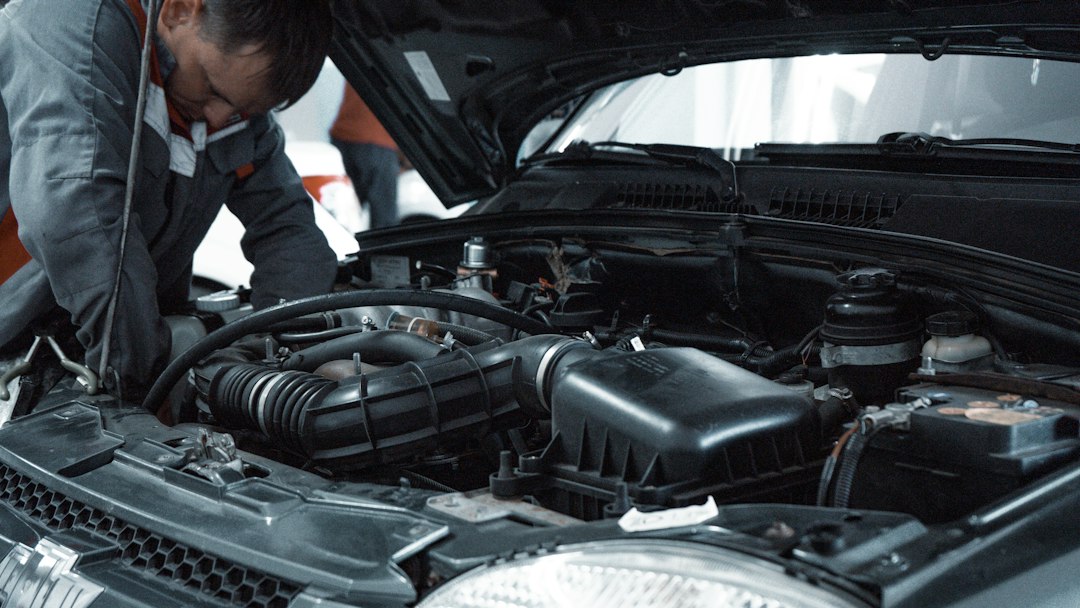
A strong used-car decision combines three different checks: a vehicle-history review, your own walkaround and test drive, and an independent pre-purchase inspection. Each catches a different class of risk. A history report may reveal reported accidents or title events, your test drive can expose warning lights or obvious drivability problems, and a technician can identify wear or repairs that are easy to miss in a parking lot.
Also check the VIN for open safety recalls through the National Highway Traffic Safety Administration recall lookup. For fuel-economy comparisons, the federal FuelEconomy.gov database can help keep the comparison tied to the correct model year and powertrain.
Ask these questions before money changes hands
- Does this exact model year belong to a strong or weak part of the generation?
- Are there open recalls, warning lights, overdue maintenance, worn tires, leaks, or evidence of collision repair?
- Does the asking price still leave room for taxes, registration, immediate maintenance, and a repair reserve?
- Can you verify enough maintenance history to understand how the car was treated?
- Would a slightly more expensive example with better records reduce your total ownership risk?
Use a five-filter used-car scorecard
Once you have a shortlist, stop comparing cars as a pile of unrelated specifications. Run every candidate through the same five filters. A vehicle that fails a true deal-breaker should not be rescued by a high score somewhere else.
| Filter | Question to answer | Common reason to walk away |
|---|---|---|
| Mission fit | Will it handle your passengers, cargo, commute, parking, climate, and expected mileage? | The vehicle forces a daily compromise you already know you will resent. |
| Generation and powertrain | Are you researching the exact engineering era, engine, transmission, hybrid system, or EV battery version? | The attractive listing belongs to a materially weaker configuration than the one you researched. |
| Condition and history | Do the inspection, records, tires, warning lights, body condition, and service history support the asking price? | Major unanswered condition questions or evidence of neglected maintenance. |
| Ownership cost | Can you afford insurance, fuel or charging, maintenance, tires, registration, financing, and a repair reserve? | The purchase consumes the cash you need to operate the car safely. |
| Safety and recall status | Does the exact VIN have open recalls, and does the model-year safety equipment fit your needs? | An unresolved safety issue you are not comfortable accepting before repair. |
For dealer purchases, read the Buyers Guide—not just the window price
When a U.S. dealer sells a used vehicle, the Federal Trade Commission’s used-car guidance explains the Buyers Guide and the information it provides about warranty coverage or an “as is” sale. The FTC also recommends getting promises in writing and considering an independent inspection. That paperwork belongs in the same decision file as the VIN check, service history, financing worksheet, and inspection report.
This is also why the cheapest advertised price is not the finish line. The stronger comparison is the condition-adjusted, out-the-door cost of a vehicle you can reasonably keep on the road.
How Car Focus researches a used-car decision
We separate primary evidence from interpretation. Safety recalls come from sources such as NHTSA; official fuel-economy comparisons come from FuelEconomy.gov; manufacturer documents help identify equipment and model changes; and condition is verified on the actual vehicle. Reliability studies, repair data, owner reports, and market listings add context, but none of them is treated as a substitute for the VIN, the inspection, or the buyer’s own budget.
Frequently asked questions
Is the most reliable model always the best used-car buy?
No. Reliability is only one part of the decision. Condition, maintenance history, price, insurance, fuel use, safety equipment, and the needs of the buyer can make a different vehicle the stronger overall choice.
How much should I reserve for repairs after buying used?
There is no universal number because age, mileage, vehicle complexity, and maintenance history change the risk. The safer approach is to keep enough cash available for an initial service, tires or brakes if needed, and at least one unexpected repair instead of spending the entire budget on the purchase price.
Should I avoid a vehicle just because it has a recall?
Not automatically. Recalls range from minor issues to serious safety defects. What matters is understanding the recall, confirming whether a remedy exists, and verifying whether the required repair has been completed.
Related Car Focus research: How to Check Recalls Before Buying a Used Car and New vs Used vs Certified Pre-Owned.