Quick answer: A used car that overheats may require a manageable cooling-system repair or have suffered expensive engine damage, and a short test drive cannot always separate those cases. A temperature warning, disappearing coolant, sweet smell or steam should be treated as a reason to stop driving safely and get professional diagnosis. When shopping, focus on written maintenance history, a proper cooling-system inspection and documented repair quality rather than relying on a seller’s claim that the car ‘just needs coolant.’
Safety: Cooling systems can be pressurized and hot. This guide does not direct amateur testing or suggest operating a vehicle with a critical temperature warning.
Understand cooling-system components
Combustion-engine cooling systems typically circulate coolant through passages in the engine, radiator and hoses using a pump, with thermostats, fans and control systems regulating temperature. Designs vary; some engines use multiple loops, electric pumps or specialized controls. Overheating can result from several faults, including coolant loss, airflow problems, failed pumps or control issues.
A familiar overheating symptom does not identify one replacement part. An engine can run hot because of internal mechanical problems that will not be fixed by changing the thermostat. A qualified technician should diagnose the cause and evaluate whether overheating has already damaged other components.
Watch dashboard gauges and critical messages
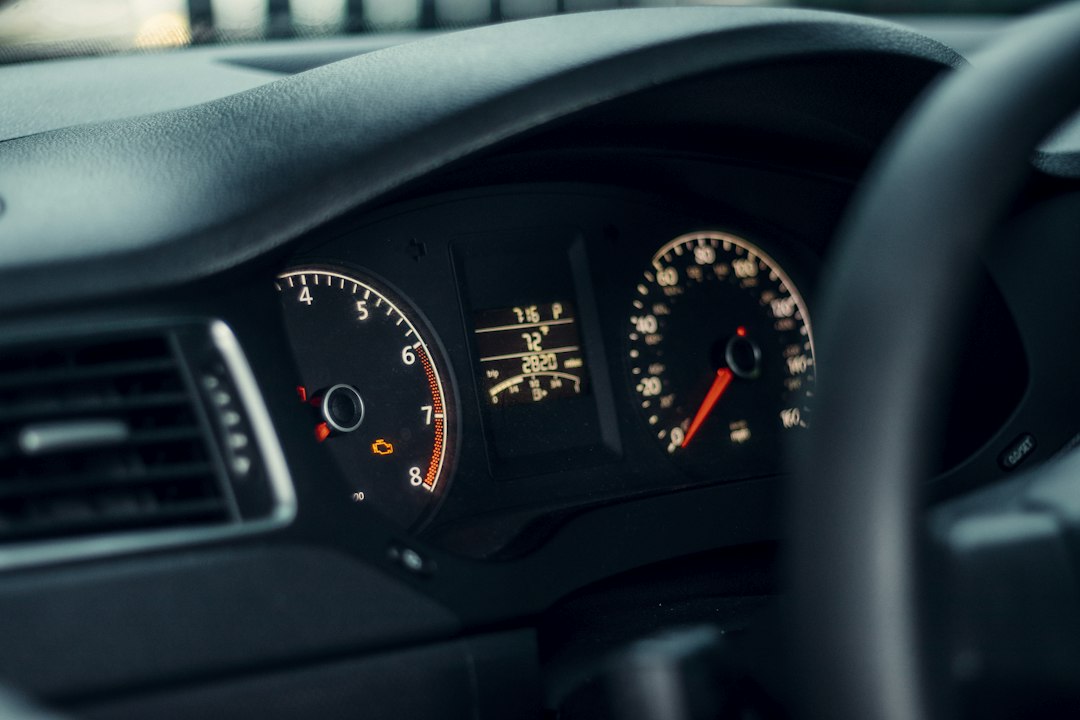
Check the instrument cluster at ignition and ordinary operation. Some cars provide a coolant-temperature gauge, while others display a warning lamp or message only. Consult the actual owner’s manual for what is normal and what requires immediate action. A warning that appears and disappears is not harmless simply because the vehicle cooled afterward.
Do not deliberately idle an engine until it overheats or conduct aggressive uphill tests in an attempt to provoke faults. If the warning appears during your drive, pull over safely and shut down or follow the vehicle manual’s prescribed action. Contact the seller and obtain professional assistance rather than forcing the car to continue.
Look for leaks and residue without opening hot systems
With the engine cool and parked safely, check visible coolant reservoir level according to the manual, hose condition and accessible radiator areas for stains or evidence of dried coolant. Look for fresh drips after parking, but remember that clear water from air-conditioning condensation can be normal. Record color and location without tasting or touching any fluid.
Never remove a hot radiator or expansion-tank cap: the pressurized system can release scalding coolant and steam. Keep hands clear of electric cooling fans that may start unexpectedly. A shop can perform proper pressure and leak testing when indicated and explain the finding in a written report.
Maintenance records reveal the operating history
Ask for coolant replacement and repair invoices, especially any recent radiator, water pump, head gasket, thermostat or cooling-fan work. Find the manufacturer’s correct coolant specification and service intervals; mixing incompatible formulations or filling only with water can create its own problems. A generic receipt saying ‘flush completed’ may not reveal whether the original overheating cause was corrected.
A new radiator does not guarantee the engine escaped previous damage. Ask why the component was replaced and whether an engine compression or other diagnostic test was performed when repeated overheating occurred. Assess current fluid condition and service records with qualified help instead of applying a universal maintenance schedule.
Fan, thermostat and pump faults may behave differently
An overheating problem in slow traffic can differ from a problem under highway load, but those patterns are clues rather than definitive diagnoses. Radiator airflow, coolant circulation, belt or electric-pump operation and temperature sensors may all be involved. Hybrid vehicles can use more complex cooling systems serving multiple components.
Describe when the warning occurred, the outside temperature, whether the A/C was operating and how long the car had been running. A professional can choose tests based on that history. Do not drive around with the A/C off as a supposed universal cure for an underlying cooling fault.
Head gasket damage is serious but needs real evidence
Repeated severe overheating can damage seals, warp components or affect internal engine condition. Symptoms may include abnormal coolant loss, combustion gases entering the system, misfire or unusual exhaust behavior, but any one of these can have multiple explanations. Be skeptical of both sellers who dismiss every symptom and buyers who assume every coolant leak means a blown head gasket.
A mechanic may recommend leak-down, compression, combustion-gas or cooling pressure tests as appropriate for the exact vehicle. Testing has limits; not every hidden internal defect is detectable before purchase. Obtain an estimate and consider walking away when history or diagnosis remains uncertain.
Compare repair cost to the car’s real value
Minor hose replacement and significant engine work are not comparable expenses. Ask the inspector to distinguish urgent safety or mechanical faults from routine maintenance, then request a quote with parts, labor and warranty. If a problem might involve head gasket or internal engine damage, do not negotiate using the cost of a thermostat alone.
Compare the final cost of the vehicle plus repairs with better-documented alternatives. Our ownership cost guide and service record checklist help organize the decision.
Cooling-system go/no-go decision
A healthy temperature reading on a short drive is useful but not conclusive. Commission an independent inspection that includes relevant cooling-system checks, recall status and engine condition. Ask whether anything critical was inaccessible without disassembly, and retain photographs and measurement results where possible.
Walk away from a car presented with active overheating, severe unresolved coolant loss, unsafe driving warnings or a seller unwilling to permit diagnosis. It is generally better to pass on a risky bargain than to finance a vehicle requiring an unknown engine repair.
Cooling-system inspection worksheet
| Finding | Possible significance | Next action |
|---|---|---|
| Overheat warning | Cooling or engine fault | Stop safely; diagnose |
| Coolant residue or drip | Potential leak | Pressure and visual inspection |
| Recent radiator repair | Previous cooling concern | Verify why and what was fixed |
| Cabin heat inconsistent | Possible flow or controls issue | Professional investigation |
| Steam or severe odor | Potential urgent failure | Do not continue driving |
Frequently asked questions
Can I remove the radiator cap when the car is hot?
No. Pressurized hot coolant can cause severe burns.
Does a normal gauge prove the engine has never overheated?
No. A short inspection cannot establish past history.
Is any coolant leak cheap to fix?
No. The cause and accessibility of the repair determine cost and risk.