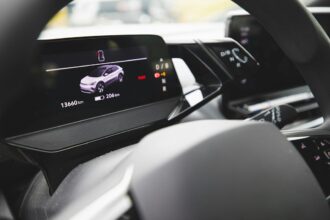
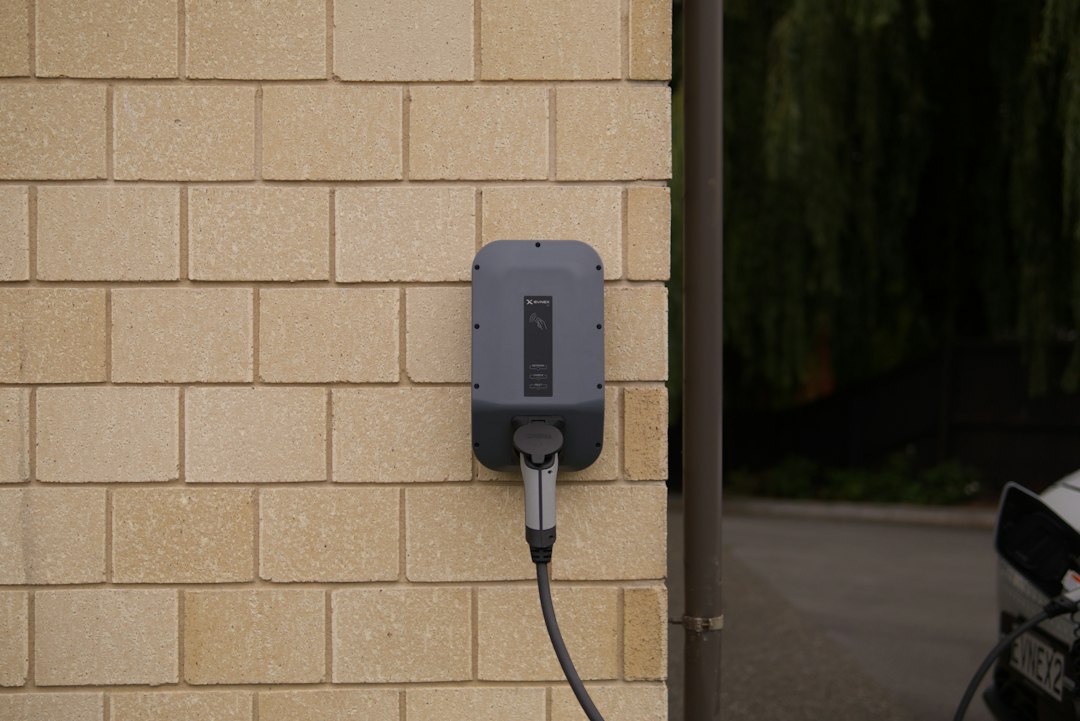
Quick answer: Buying a used electric vehicle without verifying how you will charge it can make an otherwise attractive deal expensive or inconvenient. U.S. homes commonly offer Level 1 charging through a suitable 120-volt circuit, while Level 2 charging generally uses a properly installed 240-volt circuit or hardwired charging equipment. Charging speed, total installation cost and the vehicle’s onboard charger vary. A qualified electrical assessment and a realistic daily-mileage calculation should come before buying accessories or assuming a home garage is ready.
Editorial method: Charging guidance is based on government technical sources and buyer planning examples. Always confirm the electrical installation and exact vehicle specifications.
Understand Level 1 charging realistically
Level 1 uses ordinary residential voltage through compatible equipment and an appropriate properly grounded branch circuit. It is slower than Level 2, but a driver covering modest daily mileage may replenish enough energy overnight. The DOE notes Level 1 can meet the needs of many drivers; whether it works for you depends on vehicle efficiency, available charging hours and outlet suitability.
Do not run an EV charging load through an extension cord or unknown worn outlet. Charging is a sustained electrical demand. Check the equipment instructions and have a qualified electrician review the outlet or circuit if its suitability is uncertain. A three-prong outlet near a garage does not automatically prove that the wiring, grounding or circuit is safe for prolonged charging.
Why Level 2 is faster, but not universal
Residential Level 2 typically operates at 240 volts and requires approved equipment and an appropriately installed circuit. It can add energy to an EV substantially faster than Level 1, but the practical limit depends on both the charging equipment and the car’s AC onboard charger. A 48-amp wall unit does not force a vehicle with a lower onboard charging limit to accept more current.
A new outlet or hardwired installation may be simple when the electrical panel and parking area are close together, or expensive when trenching, panel work, load management or new circuits are needed. Check the installation plan with a licensed electrician and local permitting authority before relying on a quoted purchase price.
Verify the used car’s charging connectors and equipment
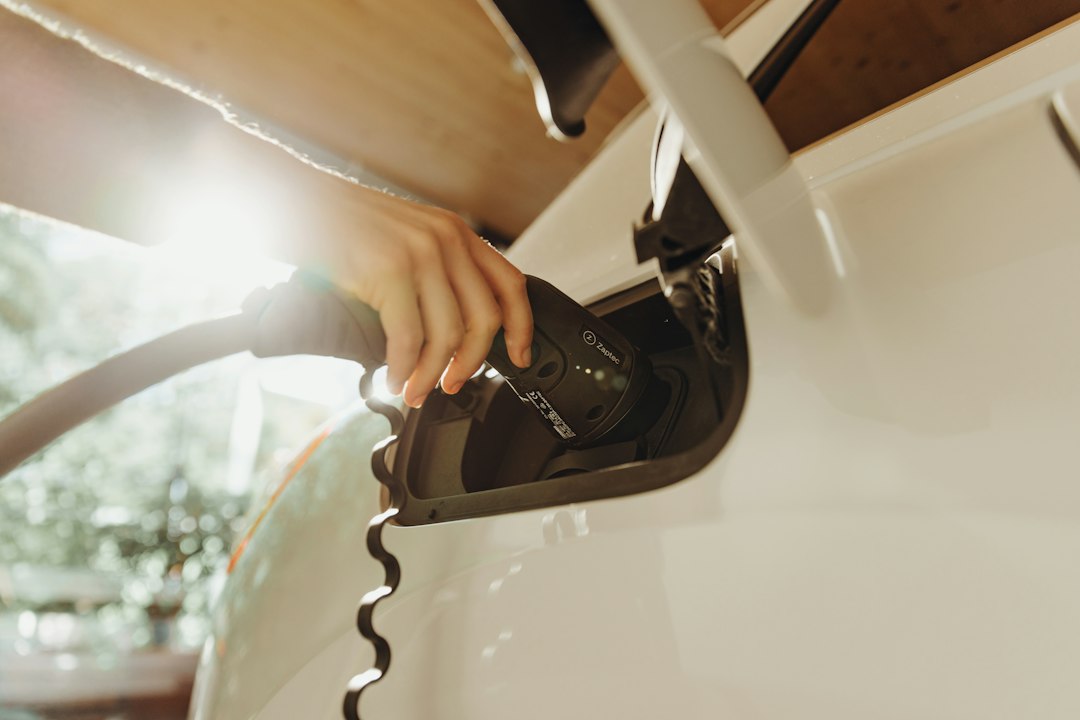
Identify the exact year and variant, installed AC inlet, supported connector and any necessary approved adapter. The U.S. market includes J1772 and J3400/NACS arrangements across vehicles and equipment. A charging plug’s physical fit does not guarantee that every adapter or charger supports the desired function. Follow the automaker’s approved compatibility information.
Ask the seller whether an OEM portable charging cord is included, whether it operates normally and whether its connectors are undamaged. A seller’s statement that ‘every public charger works’ is inaccurate. For a used EV, test an appropriate charging session with permission, record any warnings, and check whether DC fast charging or battery thermal limitations matter to your driving pattern.
Calculate daily charging need in kWh
An EV that uses 0.30 kWh per mile over 40 miles requires roughly 12 kWh to replace driving energy before charging losses. At a hypothetical retail rate of $0.16 per kWh, the energy alone costs approximately $1.92, again before charging inefficiency, taxes or utility-specific fees. These are illustrative figures, not a quote or a vehicle specification.
Compare expected daily miles, available overnight hours, winter driving and occasional high-mileage days. Understand utility rate structures including time-of-use periods and demand charges where applicable. Using a suitable charger at home may be economical, but public fast charging is priced differently and could change the total cost of ownership.
Evaluate home electrical capacity and safety
A licensed electrical professional can assess the service panel, circuit capacity, grounding, breaker protection, cable path, outlet type, weather exposure and permitting requirements. Some properties may benefit from managed load-sharing equipment; others need an upgrade. Never self-authorize a high-amperage outlet installation without verifying local electrical codes and your competence.
The DOE Alternative Fuels Data Center recommends qualified installation and checking local rules. Multiunit housing, shared garages and landlord-controlled premises create additional permission and billing issues. Do not buy a costly charger assuming you can alter a rented property without consent.
The total installation price has several parts
Budget for charging equipment, electrical labor, materials, permits, inspection and any panel, service or trenching work required. DOE consumer guidance describes a wide variation in charger equipment and installation costs. Rather than citing one average as a guarantee, obtain two written local quotes describing amperage, distance, equipment and the exact permit work.
Check utility or state incentives by current location and eligibility, and verify any federal credit rules with the relevant tax authority for the tax year before counting savings. Rules change. A supposedly ‘free charger installation’ tied to financing or purchase can have conditions worth reading carefully.
A home charging test before buying
First verify the used EV’s charging port, supplied accessories and onboard charging specifications. Second document your actual parking position and likely cable reach. Third have an electrician evaluate the circuit and provide a quote if you need Level 2. Fourth calculate electricity costs under your utility’s current rate schedule.
If the seller allows, complete a safe charging session using compatible equipment and check any dashboard errors. A public station session is useful but does not prove a household installation will work. Also inspect battery warranty and ownership records using our used EV buyer checklist.
Choosing Level 1 or Level 2 in practice
Choose Level 1 when compatible, safe and sufficient for your typical nightly charging window. Consider Level 2 when you drive longer distances, have multiple EVs, need shorter turnaround or prefer added flexibility. Neither option removes the need to confirm electrical capacity and manufacturer limits.
The most profitable purchasing decision is rarely about maximum charger power. Compare the car’s purchase price, battery and warranty condition, electricity cost, insurance and hardware installation with our total ownership-cost planning guide before making the commitment.
Charging choice worksheet
| Question | Level 1 | Level 2 |
|---|---|---|
| Typical residential voltage | 120 V | 240 V |
| Charging speed | Slower; may suit low-mileage days | Generally faster |
| Electrical work | Safe existing suitable circuit may suffice | Dedicated circuit / equipment usually needed |
| Vehicle limit | Charging hardware and car determine | Onboard charger may cap power |
| Budget | Inspect existing equipment | Get electrician quotes |
Frequently asked questions
Do I need Level 2 charging for every used EV?
No. Many drivers can meet their needs with safe Level 1 charging; calculate daily miles and charging hours.
Will a higher-amperage home charger always charge faster?
No. The vehicle’s onboard AC charging capability can limit the rate.
Can I install a Level 2 outlet myself?
Follow electrical codes and local permit requirements; a qualified licensed electrician is strongly advisable for this sustained load.