Quick answer: A used electric car can be economical when its battery, charging needs and ownership costs align with your driving routine. But comparing only listed range, age and mileage is inadequate. This guide explains how to investigate usable battery capacity, actual charging options, manufacturer warranty conditions, insurance, tire expense and the changing federal tax-credit rules before buying.
Car Focus uses a step-by-step research framework rather than manufacturer-supplied promises, unsupported rankings or claims of hands-on testing.
Start with the right EV for your daily driving
Map your usual commute, longest regular journey, climate and parking situation. Published range estimates use standardized conditions and are not a guarantee of what one aged car will deliver at highway speed or in extreme temperatures. Account for heating, air conditioning, battery conditioning, elevation and accessory use. A used EV with less nominal range may still fit a predictable local commute if charging is dependable, but long-distance travel requires different flexibility.
Ask for usable battery-health evidence
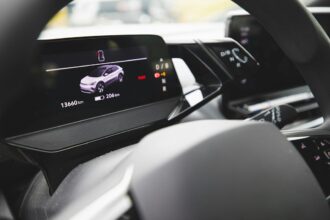
Battery health is more meaningful than an odometer reading alone. Ask whether the manufacturer provides a diagnostic state-of-health assessment, battery capacity measurement or warranty-relevant diagnostic report. A dashboard range prediction is not a reliable substitute because it responds to driving history and conditions. Review reports from the correct manufacturer or a technician with appropriate high-voltage training. Distinguish normal gradual capacity degradation from warning codes or damage that needs professional diagnosis.
Understand warranty transfer and exclusions
The Department of Energy notes that many manufacturers offer electric traction-battery warranties around eight years or 100,000 miles, sometimes longer; terms vary by vehicle and jurisdiction. Read the original in-service date, mileage limit, capacity threshold, exclusions, transferability and claim procedures. A car can be within eight calendar years yet outside a mileage threshold, or vice versa. Confirm warranty status by VIN with the manufacturer rather than trusting a listing’s broad claim.
Match home and public charging to the exact model
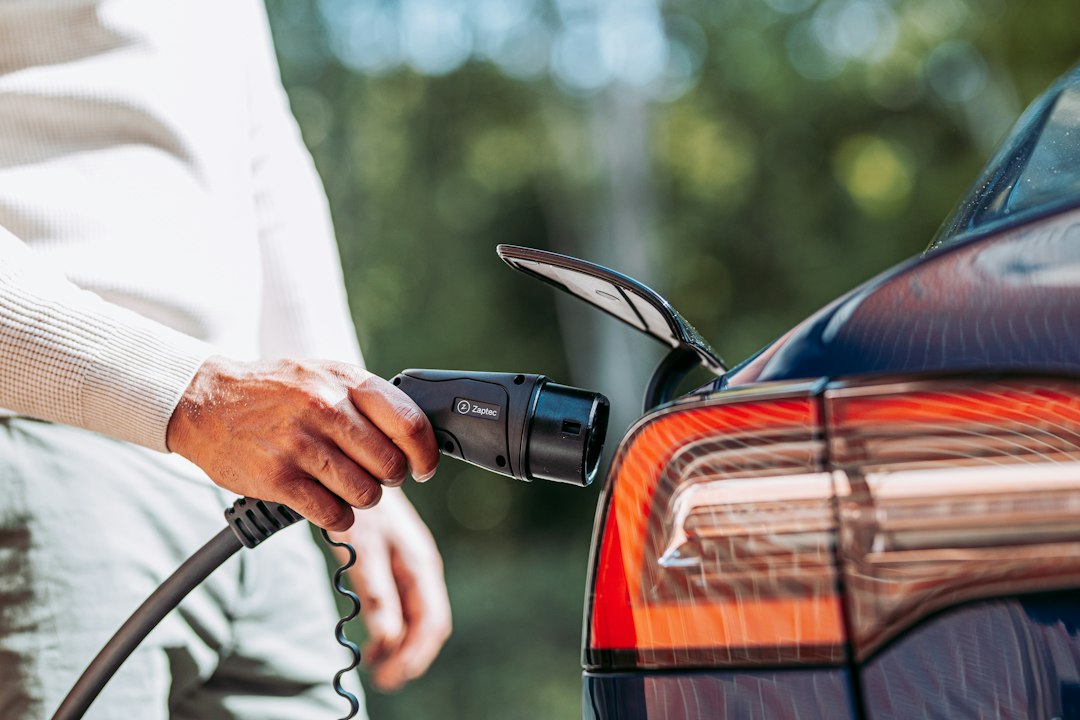
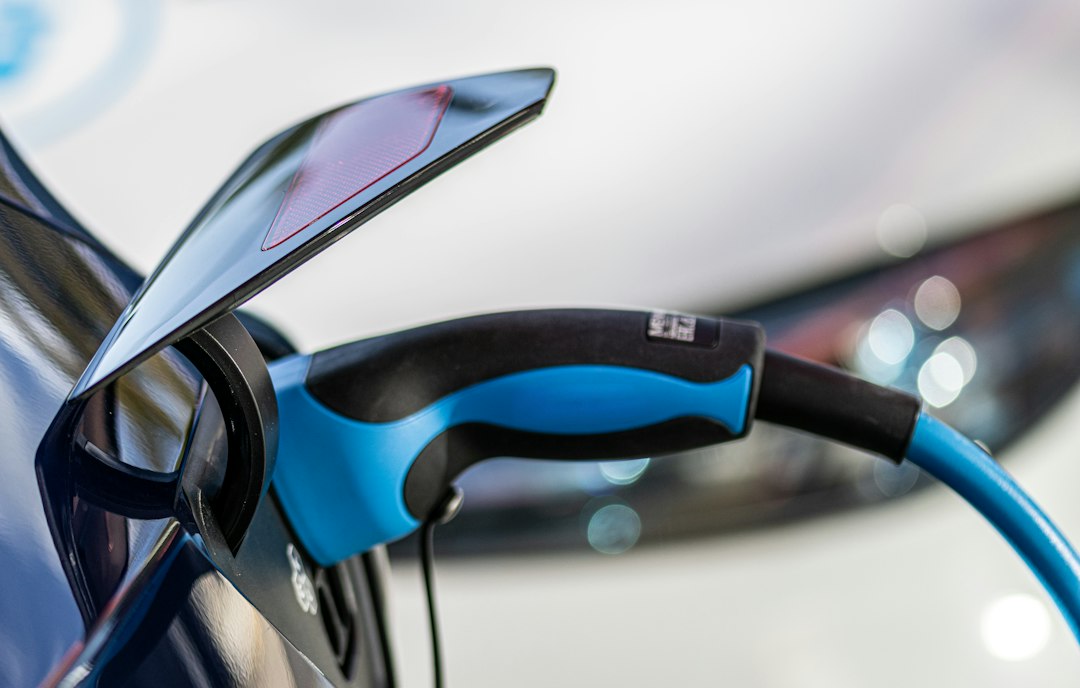
Identify the vehicle’s port and charging standard, AC charging capability and DC fast-charging support. Check whether adapters are manufacturer-approved and which networks and connectors they permit. Estimate the home electrical-installation cost if required, including whether you rent or can obtain landlord approval. Use the Department of Energy’s charging-station locator to research local options, but verify live station functionality, availability and pricing directly before relying on a particular location.
Know why a charging test matters
If possible, observe the vehicle charging normally using an appropriate charger. Warning lamps, repeated aborted sessions or thermal alerts deserve manufacturer-level investigation. Charging speeds are influenced by battery temperature, current charge state, equipment and vehicle limits, so one short session cannot certify peak capability. A qualified EV technician can assess diagnostic codes, battery-system integrity and relevant service history. Never attempt to open or repair the high-voltage battery yourself.
Compare total ownership cost, not fuel savings alone
Calculate expected electricity costs using your utility tariff or reliable charging-network prices. Add insurance, registration, tires, charging equipment, routine maintenance and possible out-of-warranty repairs. Battery replacement can be expensive, but it is not automatically a necessary expense for every older EV. Compare the specific candidate with an efficient gasoline or hybrid car using realistic annual mileage. Our car-comparison guide provides a useful way to document the tradeoffs.
Verify current tax credits rather than quoting old discounts
As of October 2026, the IRS says the federal Previously-Owned Clean Vehicle Credit is unavailable for vehicles acquired after September 30, 2025. Older videos, listings and guides may still advertise the former credit. Do not subtract an expired federal incentive from a present-day quote. State, utility or local incentives may differ and require independent current verification. Document the actual purchase-price and financing terms without assuming any rebate will apply.
Complete the used EV final inspection
Verify VIN and recalls, battery-health documentation, charging cable and connector condition, normal AC/DC charge functionality where practical, tire condition and remaining warranty. Review underbody damage carefully because impact risks can involve high-voltage components. Get quotes for insurance before committing. If a seller cannot support important battery claims or will not permit competent inspection, compare another used EV rather than making a high-stakes guess.
At-a-glance evaluation table
| EV consideration | Evidence to request | Potential cost or risk |
|---|---|---|
| Battery health | Manufacturer-capable diagnostic data | Reduced usable range |
| Warranty | VIN-specific written terms | Out-of-warranty repair exposure |
| Charging | Connector, AC/DC compatibility and trial | Unavailable or slower charging |
| Ownership costs | Electricity, insurance, tires and fees | Lower operating savings than expected |
Use the checklist below with the specific vehicle, manufacturer’s requirements and credible records rather than treating these cues as conclusive diagnoses.
Practical decision checklist
- Confirm the exact make, model, generation and VIN before comparing vehicles.
- Separate verified evidence from assumptions and seller descriptions.
- Document present condition, known costs and unresolved questions.
- Use an independent professional for safety or technical concerns that you cannot verify.
Optional shopping resource: Vehicle technology resources for drivers. Car Focus may benefit from qualifying purchases.

Frequently asked questions
Does EV mileage prove battery health?
No. Battery capacity and condition depend on factors beyond odometer mileage.
Is a used EV still eligible for the old federal $4,000 credit in 2026?
For a vehicle newly acquired after September 30, 2025, the previously-owned federal clean vehicle credit is unavailable according to the IRS.
Should I rely only on a dashboard range estimate?
No. Seek vehicle-specific diagnostic evidence, charging observations and qualified assessment.
Sources and research notes
We cite primary government and testing resources as available. General buying advice is not a substitute for a vehicle-specific inspection or personalized legal, safety or financing guidance.
- U.S. DOE Alternative Fuels Data Center — EV Consumer Guide
- DOE — EV Maintenance and Battery Warranties
- IRS — Used Clean Vehicle Credit Status
Related Car Focus guides: Selecting used cars, Reliability evidence and ownership-cost research.