Quick answer: A used car with weak or warm air conditioning may need a modest cabin filter service, an electrical repair or an expensive refrigerant-system job. Those possibilities cannot be separated by guessing from vent temperature alone. During a safe viewing, you can test basic controls, note the conditions and request professional diagnosis before paying. Do not accept a seller’s promise that the system ‘just needs a recharge’ without evidence of why refrigerant is low.
Editorial method: This Car Focus guide combines authoritative consumer resources with practical decision frameworks and does not claim first-hand testing of a vehicle. Rules and repair costs must be verified for your jurisdiction and the exact vehicle.
Start with the full HVAC function test
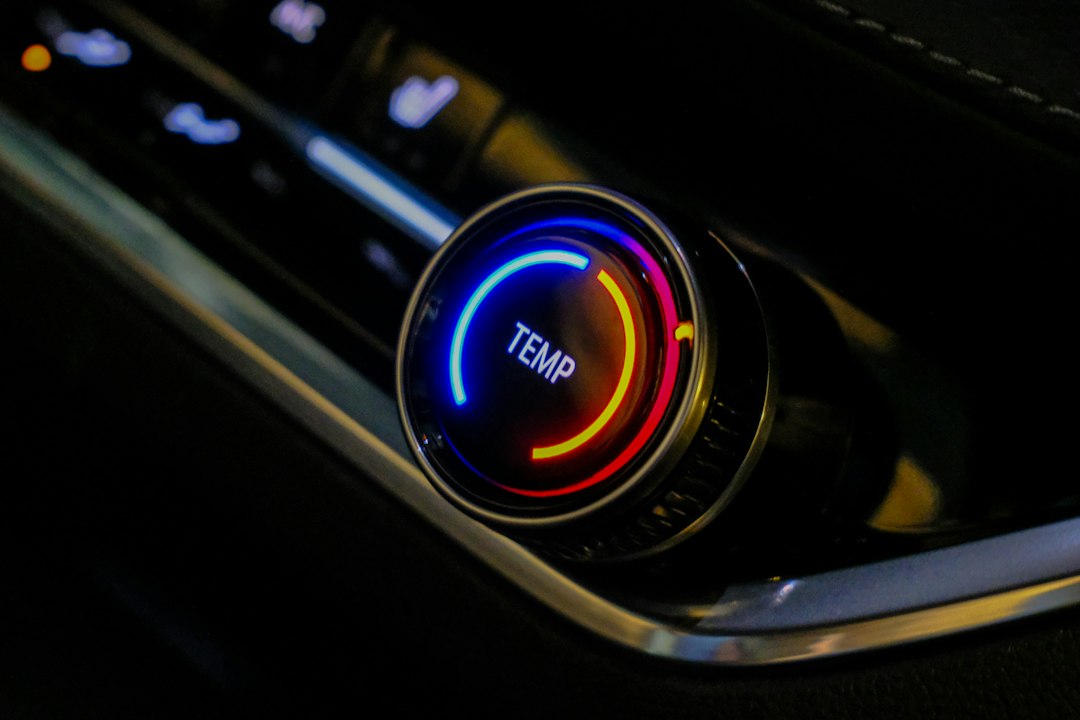
Ask to operate the cabin temperature, fan speed, airflow direction, defroster, recirculation and A/C controls. Test both heating and cooling as weather allows. A fan that does not operate is different from a fan blowing warm air; one suggests an airflow or electrical concern, while the other can involve refrigerant, compressor or blend-door operation.
Some vehicles use automatic climate controls, dual-zone systems or heat pumps; their normal behavior can vary by model and outside temperature. Compare the driver’s and passenger’s sides and test defrost clearing safely. Do not assume a particular compressor sound is necessary for operation, especially in hybrid or electric vehicles.
A weak airflow complaint may not be a refrigerant issue
A dirty cabin-air filter, obstructed intake, blower problem or air-distribution fault can make cooling feel ineffective even if the refrigerant loop is operating. Ask when the filter was last replaced and whether the blower works at each selectable setting. If one vent is strong while others remain weak, document the distribution pattern.
Avoid forcing flaps, disassembling trim or reaching into moving fans in a seller’s vehicle. A technician can measure airflow and inspect blower controls, ducts and cabin filtration. A simple filter swap should be backed by diagnosis rather than used to dismiss every cooling complaint.
Warm air can have multiple refrigerant-system causes
A/C systems use compressor, condenser, evaporator, refrigerant controls and sensors to move heat. Problems can include refrigerant leaks, compressor failure, clutch or drive problems on applicable designs, blocked airflow across heat exchangers or electrical-control faults. The cost and repair method depend on which component is actually defective.
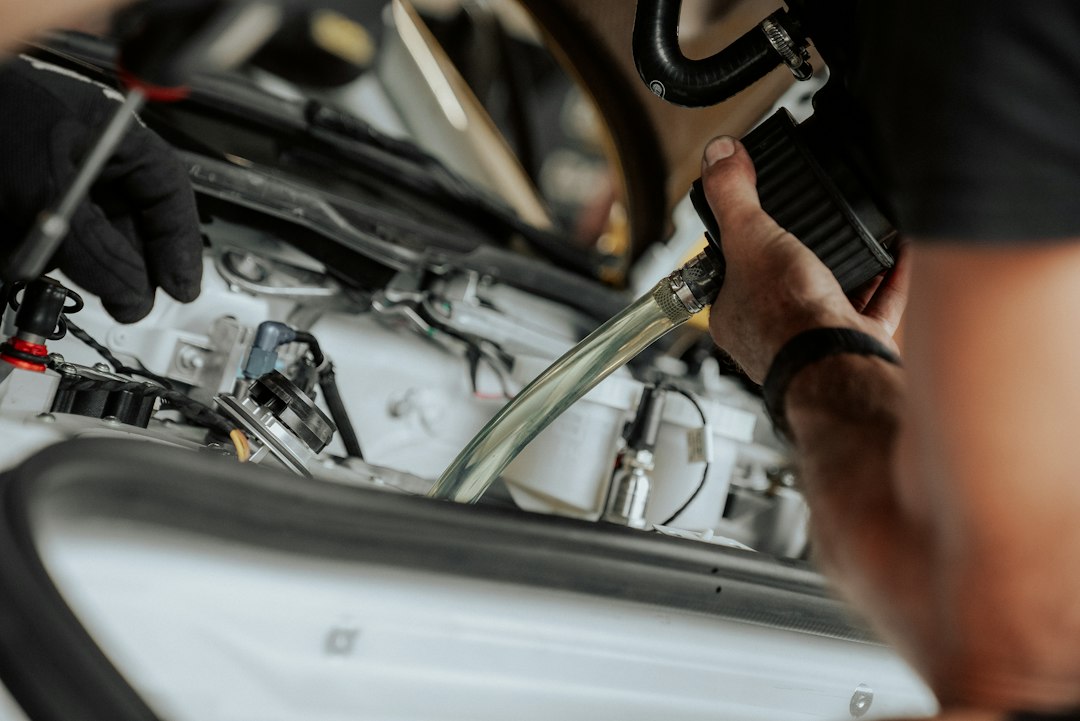
Low refrigerant is not a repair explanation by itself. If refrigerant escaped, the system may need leak testing and approved service rather than repeated top-offs. A seller claiming that ‘a $20 can will fix it’ is offering a guess. Have a shop identify the fault and recommend repairs under applicable environmental and safety regulations.
Special considerations for hybrid and electric vehicles
Some hybrids and EVs use electrically driven A/C compressors and the HVAC system may interact with traction-battery temperature management. Different lubricant specifications, refrigerant handling procedures and high-voltage safety rules can apply. A technician working on such systems should have appropriate equipment and manufacturer knowledge.
Do not touch high-voltage cables or attempt to service A/C components yourself. Even if cabin cooling seems acceptable, the system may be critical to proper battery thermal behavior on certain models. A warning or failed climate function deserves brand-appropriate diagnosis rather than an ordinary gas-vehicle repair assumption.
Evaluate leaks, mold odors and water drainage
A musty cabin smell may be linked to moisture accumulation in the evaporator housing, clogged drains, damp carpet or other causes; it does not automatically prove flooding. Look beneath mats for wet areas and ask when cabin filtration or drain cleaning was last performed. Persistent water ingress can cause electrical and corrosion problems beyond occupant comfort.
Clear water dripping beneath the car after the A/C operates can be ordinary condensation. Colored fluid, oily residue or damp cabin surfaces may need further investigation. A professional should differentiate normal condensation from a coolant leak or refrigerant-system issue without opening pressurized components casually.
Demand written A/C diagnosis and warranty terms
Ask a qualified shop to identify the failed component, confirm refrigerant specification, check leaks using appropriate procedures, and provide an installed quote. Clarify whether the proposed repair includes replacement seals, flushing, evacuation, recharging or other necessary steps. A claimed ‘new compressor’ is more meaningful when an invoice explains why it was replaced and what warranty remains.
A repair estimate may be preliminary until the system is tested. Do not subtract an arbitrary universal A/C replacement price when negotiating. Some vehicles require significant dashboard disassembly for internal components; labor can be substantial. Compare the exact cost with other cars in similar overall condition.
Use HVAC condition as part of the broader inspection
On the test drive, note whether A/C remains consistent after the engine warms and whether warning lights or engine overheating appear. The HVAC symptom should not distract from tires, brakes, title history and drivetrain condition. A car with cold A/C and serious safety issues is not a good purchase.
Our test-drive worksheet and 30-point inspection guide include the complete vehicle context. Ask the seller to provide repaired-system documentation if the deal depends on the A/C being fixed before delivery.
When warm A/C should stop the purchase
If the repair is undiagnosed, expensive, or linked to larger cooling or electrical faults, postpone signing until the issue is understood. The priority differs by climate and intended use, but financial uncertainty deserves attention everywhere. A known repair may be acceptable at an appropriate price if the rest of the car passes independent inspection.
Make the decision using a written fault diagnosis, realistic repair estimate and the terms of any warranty. A functioning climate system is a practical ownership requirement—not something buyers should always dismiss as cosmetic.
Decision and cost checklist
| Symptom | Possible area | Professional verification |
|---|---|---|
| Weak air from vents | Filter, blower, duct or flap | Airflow and fan test |
| Strong but warm airflow | Refrigerant, compressor, blend controls | System diagnosis |
| One side warm | Dual-zone or air-distribution fault | Temperature actuator test |
| Musty smell or wet carpet | Drain, moisture, possible leak | Moisture and HVAC assessment |
| EV/Hybrid cooling fault | Electric compressor or system control | Qualified high-voltage technician |
Use actual documentation and qualified assessment for the specific car rather than assuming a symptom proves a repair need.
Optional shopping resource: Cabin filters and car-care supplies should be selected for the exact vehicle after the A/C problem is diagnosed. Car Focus may earn an affiliate commission from qualifying purchases.

Frequently asked questions
Will adding refrigerant always fix a weak A/C?
No. Refrigerant loss can indicate a leak, and other mechanical or electrical faults may be present.
Is water dripping under a car after A/C normal?
Clear condensate can be normal, but fluid type and location should be assessed if uncertain.
Are hybrid and EV A/C repairs identical to gas cars?
Not always. Electric compressors and high-voltage system requirements can differ.