Short answer: check the exact VIN before you buy. For U.S. vehicles, NHTSA’s recall search can show whether a specific vehicle has an unrepaired safety recall, while a year/make/model search can surface broader recall, investigation, complaint, and manufacturer-communication information.
A recall check is one layer of used-car due diligence, not a condition report. The useful workflow is VIN → official recall result → remedy availability → repair verification → independent inspection of the rest of the vehicle.
Find the VIN before you buy
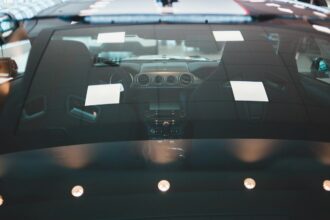
The VIN is commonly visible at the lower edge of the windshield on the driver’s side and on the driver’s door-jamb label. It should also appear on registration, title, insurance, and dealer paperwork.
Compare the VIN in more than one location. A mismatch should be resolved before proceeding because the recall lookup, title history, and inspection all depend on identifying the correct vehicle.
Use the official NHTSA recall lookup
For U.S. vehicles, visit NHTSA.gov/recalls and enter the VIN. The lookup is designed to show unrepaired safety recalls associated with that vehicle.
Read the recall description carefully. It should explain the safety defect, affected component, and available remedy. If the result is unclear, save the recall number and verify it with the manufacturer or an authorized dealer for that brand.
Confirm whether the repair was completed
A vehicle can have a recall history without still having an open recall. Ask for service records and verify completion with an authorized dealer when necessary. Recall remedies are generally performed through the manufacturer network, so dealer service systems can often confirm campaign status.
Do not rely only on a seller saying that “everything was fixed.” Ask for documentation or verify independently before closing the deal.
Understand what a recall check does not tell you
A recall lookup is not a complete condition report. It will not reveal every maintenance problem, collision, worn component, or non-safety service campaign. It also does not replace a road test or a pre-purchase inspection.
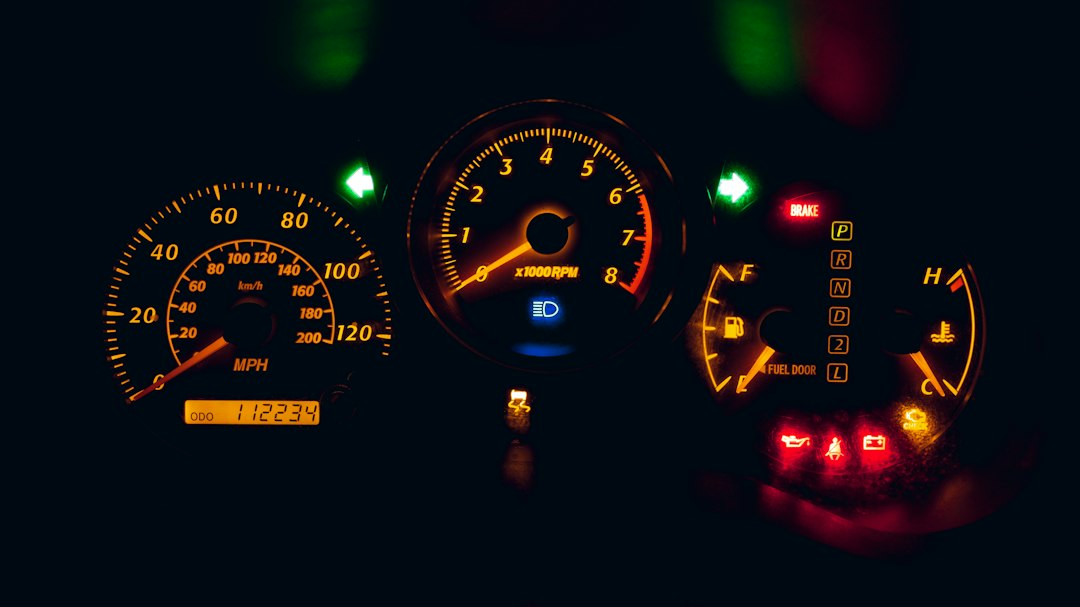
Use recall research alongside maintenance records, vehicle-history information, tire and brake condition, diagnostic warning lights, fluid condition, and an inspection of the actual car.
What to do if an open recall appears
Ask whether the remedy is currently available and whether a local authorized dealer can perform it. Some campaigns can be handled quickly while others may depend on parts availability or scheduling.
An open recall should become part of the purchase decision and handoff plan. Know what must be repaired, who will perform the work, and whether you are comfortable taking possession before that work is completed.
Do not confuse recalls with every reliability complaint
A recall is a formal safety campaign, not a complete record of every mechanical weakness a model can have. A vehicle can have no open recalls and still have reliability issues, deferred maintenance, collision damage, or expensive wear items. Recall research belongs inside a broader used-car inspection and reliability process.
Know what the NHTSA lookup is actually telling you
NHTSA distinguishes between a VIN or license-plate search for a specific vehicle and a broader year/make/model search. The agency’s recall tool says a VIN or plate search can identify an unrepaired recall for participating manufacturers, while a model search can also expose investigations, complaints, and manufacturer communications. Those are different evidence types, so do not treat a complaint or service communication as if it were automatically a safety recall.
If a result is missing or unclear, use the recall number and contact the manufacturer or an authorized dealer. NHTSA also notes that an unrepaired recall remains a recall; it does not simply “expire” because the vehicle is old.
Make recall status part of the handoff plan
If the car has an open recall, decide who will take responsibility for getting the remedy completed and when. NHTSA directs owners with an open recall to obtain the recall repair through a local dealership at no charge. For a purchase in progress, the practical questions are whether the remedy is available, whether the car can be driven safely before repair, and whether you want the seller to complete the work before delivery.
Keep the recall result with the rest of the purchase file. A screenshot or printed result, the VIN, the repair order if completed, and any dealer confirmation create a cleaner record than relying on a verbal promise.
Source check for recall research
Car Focus treats NHTSA as the primary U.S. source for safety-recall status, then uses manufacturer or authorized-dealer information to confirm remedy details and completion when needed. Reliability research, service campaigns, owner complaints, and maintenance history are evaluated separately so they do not get mislabeled as recalls.
Frequently asked questions
Does a recall mean I should avoid the car?
Not automatically. The more useful questions are what the defect is, whether the remedy exists, whether the work has been completed, and whether you are comfortable with the remaining risk.
Who pays for a safety-recall repair?
Safety-recall remedies are generally performed by an authorized dealer under the manufacturer’s recall campaign. Confirm the specific campaign and current remedy status before assuming how a repair will be handled.
Should I still get a pre-purchase inspection if the recall check is clean?
Yes. Recall status does not replace an inspection. A technician can identify maintenance, wear, leaks, prior repair quality, and other problems that are outside the recall system.
Related Car Focus research: How to Choose the Best Used Cars and What a Car Generation Means.