
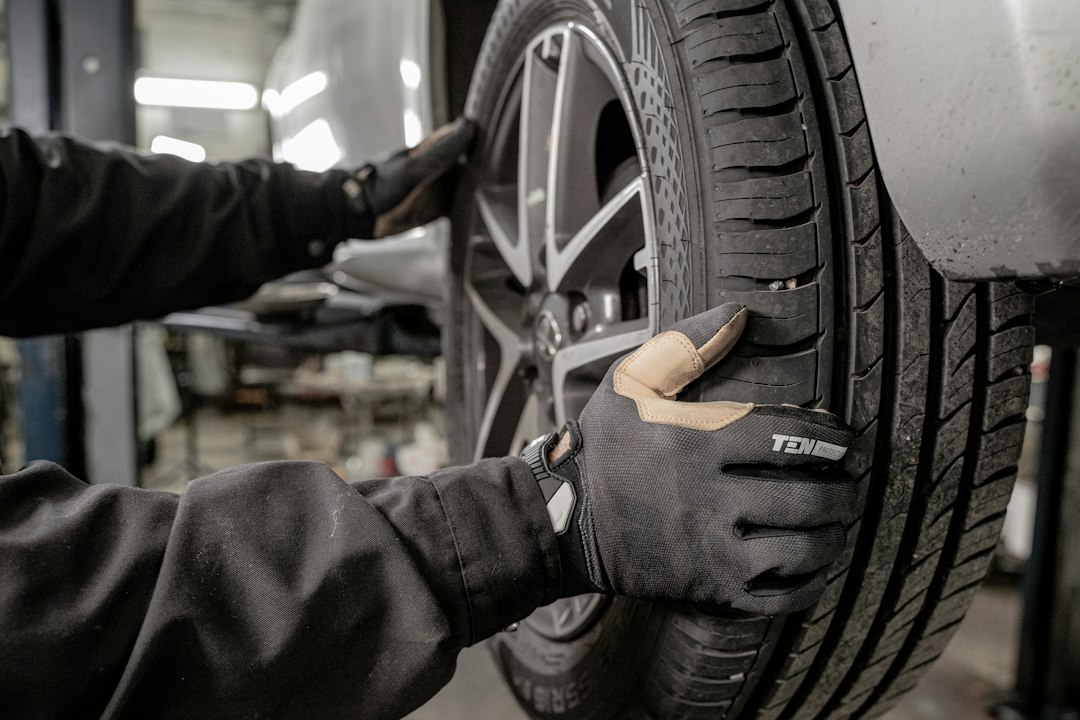
Quick answer: Tire condition can reveal immediate replacement costs and clues about the way a vehicle has been maintained. Good-looking tread does not automatically mean a tire is safe; age, damage, pressure history and mismatched specifications matter. This used-car tire checklist shows what you can examine during a viewing and what a tire professional should decide before the vehicle becomes yours.
Car Focus uses a step-by-step research framework rather than manufacturer-supplied promises, unsupported rankings or claims of hands-on testing.
Read the DOT manufacturing date code
Look on the sidewall for the Department of Transportation Tire Identification Number. The final four digits on applicable modern tires identify the production week and year: for example, 0324 means the third week of 2024. The complete marking may be on only one side. Tire age differs from the car’s model year, purchase date and mileage. Record all four dates separately, including the spare if equipped, rather than relying on a seller’s statement that the tires are new.
Understand why tire age matters even with tread
Rubber ages through time, environmental exposure, storage and use. NHTSA notes that some vehicle or tire manufacturers recommend replacement at ages between six and ten years regardless of tread, but there is no universal expiration applicable to every tire. Check the vehicle and tire manufacturer’s guidance, and ask a tire professional to evaluate cracks, heat damage and condition. A low-mileage car stored outdoors may need tires even if the tread looks substantial.
Check the full width of each tread
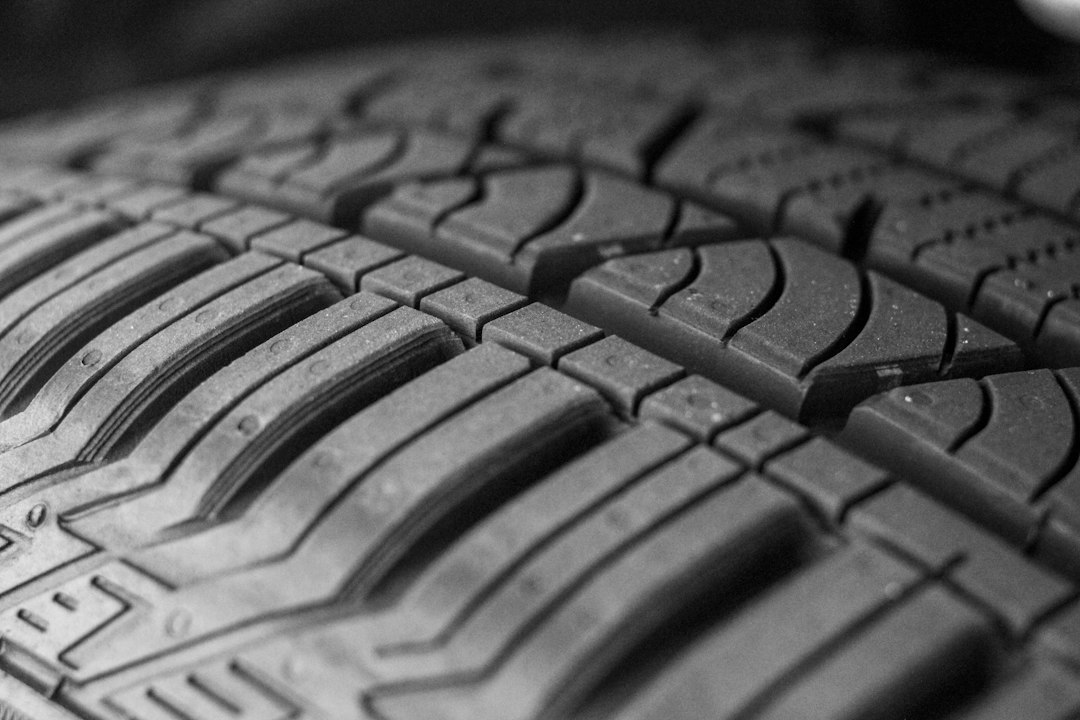
Inspect the outer, center and inner parts of the tread where safely visible. Uneven shoulder wear can suggest alignment, suspension, inflation or driving issues, but the wear pattern alone cannot identify the cause. Use a tread-depth gauge rather than a rough visual estimate. Requirements differ by jurisdiction and conditions, and wet-road performance can deteriorate before the legal minimum. Consider whether replacement is appropriate for your rain, snow and highway use.
Look carefully at sidewalls and wheels
Bulges, exposed cords, cracks, cuts or suspicious repairs deserve immediate professional attention. Do not test a damaged tire on the road to see if it improves. Inspect wheels for visible bends, impact marks and cracks, and consider whether tire damage was caused by a curb strike or other event that also affected suspension. A new wheel or tire cannot by itself prove the underlying alignment was corrected. Get a shop’s evaluation when damage is suspected.
Confirm size, type and matching requirements
Read the tire size, load rating and other specifications against the vehicle manufacturer’s requirements. Different models and drivetrains can have special matching recommendations. All-wheel-drive systems in particular may have strict tire-circumference requirements; consult the owner’s manual rather than assuming all four need replacing in every case. Mixed tire types can affect handling in certain conditions. Budget for the complete appropriate replacement solution, not just one advertised tire.
Use tires as part of the vehicle negotiation
Document tread depth, DOT date, damage and any shop recommendation. If replacement is needed, obtain a local installed quote including mounting, balancing, taxes and any relevant alignment work. Use that documented cost when comparing two examples. It is reasonable to value a car with four healthy, appropriately matched tires differently from one that needs immediate replacement, but avoid a double discount for a repair the seller has already completed.
Ask the tire professional three specific questions
Request an assessment of safety today, how much usable life remains under your driving conditions and whether uneven wear signals a chassis problem. Check the spare tire and tire-pressure monitoring warnings. If the vehicle has been driven with chronic low pressure, internal damage may not be visible. Car Focus’s ownership-cost guide can help you plan for future tire replacements alongside brakes and other maintenance.
At-a-glance evaluation table
| Tire factor | How to check | What it could imply |
|---|---|---|
| Age | Last four digits of DOT tire date code | Time-related degradation risk |
| Tread | Gauge depth across the tread | Replacement or alignment need |
| Sidewall | Cuts, bulges, cracks, exposed cords | Safety issue needing expert evaluation |
| Matching specs | Size, type, load rating | Handling or driveline mismatch |
Use the checklist below with the specific vehicle, manufacturer’s requirements and credible records rather than treating these cues as conclusive diagnoses.
Practical decision checklist
- Confirm the exact make, model, generation and VIN before comparing vehicles.
- Separate verified evidence from assumptions and seller descriptions.
- Document present condition, known costs and unresolved questions.
- Use an independent professional for safety or technical concerns that you cannot verify.
Optional shopping resource: Automotive care and detailing resources. Car Focus may benefit from qualifying purchases.

Frequently asked questions
Do tires expire exactly six years after manufacture?
No. Review manufacturer guidance and professional condition assessments; NHTSA notes a range of manufacturer recommendations.
Is deep tread enough to make an old tire safe?
No. Age, cracking, impact damage and storage history also affect safety.
Does uneven wear always mean bad alignment?
No. Inflation, suspension wear, driving patterns and other faults can create similar symptoms.
Sources and research notes
We cite primary government and testing resources as available. General buying advice is not a substitute for a vehicle-specific inspection or personalized legal, safety or financing guidance.
Related Car Focus guides: Selecting used cars, Reliability evidence and ownership-cost research.