
Short answer: estimate a used car in layers: what you must spend immediately, what you can predict each year, what could fail unexpectedly, and what the vehicle may lose in value while you own it. The purchase price is only one line in that model.
You do not need a perfect forecast. You need a budget strong enough that tires, maintenance, insurance, fuel or charging, a normal repair, or an inspection finding does not turn an affordable purchase into a cash-flow problem.
Separate predictable maintenance from unpredictable repairs
Routine maintenance includes items such as oil and filter changes, fluids, filters, spark plugs where applicable, tires, brakes, wiper blades, and manufacturer-scheduled services. These costs are easier to plan because intervals and wear patterns are reasonably predictable.
Repairs are less predictable. Age, mileage, climate, previous maintenance, design complexity, and component quality all affect the likelihood of failures.
Start with the actual vehicle’s condition
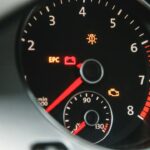
Two examples of the same model can have very different near-term costs. Review maintenance records, tire age and tread depth, brake condition, warning lights, fluid leaks, suspension noise, battery age, and visible damage.
A pre-purchase inspection can turn unknowns into a more useful repair list. Ask the technician to separate urgent safety issues, near-term maintenance, and optional cosmetic work.
Research common repair patterns by generation
Repair research should be generation-specific whenever possible. Engines, transmissions, hybrid systems, infotainment, suspension designs, and electronics can change during a model’s life.
Compare multiple reputable repair and reliability sources rather than treating one average as a guarantee. Average cost figures are useful for context, but they cannot predict the exact vehicle you are considering.
Price tires, insurance, and routine service
Tire size can change ownership costs dramatically. Larger wheels and performance-oriented tires may cost much more than standard sizes. Check replacement pricing before buying rather than discovering it when all four tires are due.
Insurance can also vary by trim, location, driver profile, repair cost, and theft exposure. Obtain a quote on the exact VIN before purchase when the premium matters to the budget.
Build a repair reserve
A repair reserve is cash kept specifically for vehicle maintenance and repairs. The appropriate amount depends on vehicle age, complexity, mileage, and household finances.
The important idea is to avoid spending the entire available budget on the purchase itself. A slightly cheaper vehicle with a healthy repair reserve can be safer financially than stretching to the maximum purchase price.
Compare total ownership, not just monthly payment
When comparing vehicles, include fuel or charging, insurance, maintenance, repair reserve, tires, registration, parking, financing cost if applicable, and expected depreciation.
This broader view often changes the shortlist. A vehicle that costs more to buy can still be cheaper to own if it has lower operating costs and fewer immediate needs.
Build the ownership budget in layers
Start with costs you can estimate before purchase, then add a reserve for the costs you cannot predict precisely. The first layer includes purchase price, taxes, registration, insurance, fuel or electricity, scheduled maintenance, tires, and known upcoming service. The second layer is a repair reserve for failures and wear that may appear after purchase.
| Cost layer | Examples | How to estimate it |
|---|---|---|
| Transaction | Price, tax, title, registration, dealer fees | Use the actual deal structure and local requirements |
| Operating | Fuel, electricity, insurance, parking | Use your expected mileage and real quotes |
| Scheduled maintenance | Oil, fluids, filters, inspections, scheduled services | Check the maintenance schedule and current mileage |
| Wear items | Tires, brakes, battery, wipers | Inspect remaining life before purchase |
| Repair reserve | Unexpected mechanical or electrical repairs | Use generation history, mileage, complexity, and inspection findings |

Immediate needs matter more than an average annual estimate
A vehicle can have acceptable long-term ownership costs and still require thousands of dollars in immediate work. Tires near the wear bars, overdue brakes, fluid leaks, a weak battery, suspension noise, or missed scheduled maintenance should be priced into the decision before you compare the car with a cleaner example.
Use the pre-purchase inspection as a cost-discovery tool
A pre-purchase inspection is not only about deciding whether a vehicle is safe. It can also turn unknown costs into specific line items. Ask the technician to distinguish urgent repairs, near-term maintenance, and optional work so you can build a more realistic first-year budget.
Do not ignore depreciation and financing
Repair costs get attention because they are visible, but depreciation and interest can be larger expenses. A newer vehicle with fewer repairs can still cost more overall if it loses value quickly or is financed at an expensive rate. Compare cash outflow and value loss together.
Build a one-year ownership worksheet before you negotiate
Use real quotes wherever you can. Price insurance for the exact VIN or configuration, check the manufacturer maintenance schedule, look up the correct EPA fuel-economy rating, price the tire size actually fitted to the car, and get an independent inspection. Then separate the costs into four buckets.
| Bucket | Examples | How to research it |
|---|---|---|
| Due now | Inspection findings, overdue fluids, tires, brakes, registration | Inspection report, service records, tire/brake measurements, local fees |
| Predictable annual cost | Insurance, fuel or charging, routine maintenance, registration | Insurer quote, FuelEconomy.gov, maintenance schedule |
| Repair exposure | Unexpected mechanical or electrical failures | Generation-specific repair patterns plus a cash reserve |
| Financial cost | Interest and depreciation | Loan disclosure, realistic ownership horizon, comparable market values |
Do not turn a national “average ownership cost” into a personal forecast. Your mileage, insurance profile, labor rates, climate, parking, tire size, financing, and the condition of the specific vehicle can move the result materially.
Use the inspection to convert uncertainty into dollars
A pre-purchase inspection is not only a pass/fail event. Ask the technician to separate urgent safety or drivability work from maintenance that will be due soon and from items that can simply be monitored. Then price those items before negotiating. That turns vague concerns—“the tires look worn,” “there is a small leak”—into a more useful ownership estimate.
If the seller will not allow an independent inspection on a used car where one is practical, treat that refusal as information. The FTC’s used-car guidance specifically tells buyers to consider an independent inspection and to understand warranty or “as is” terms.
Car Focus ownership-cost method
Our estimates separate verified costs from assumptions. Official fuel-economy data, an insurance quote, the exact tire size, the maintenance schedule, financing terms, and inspection findings are stronger inputs than a generic cost calculator. Where a future repair cannot be predicted honestly, we label it as risk and budget a reserve rather than inventing a precise number.
Frequently asked questions
What is the biggest ownership-cost mistake used-car shoppers make?
Spending the full budget on the purchase price and leaving no room for taxes, initial maintenance, tires, insurance, or unexpected repairs.
Is a cheaper car always cheaper to own?
No. A lower purchase price can be offset by poor condition, higher insurance, worse fuel economy, deferred maintenance, or expensive repairs.
How should I compare two used cars with different mileages?
Compare the remaining wear items, maintenance history, generation-specific reliability, expected annual mileage, and the amount of repair reserve each vehicle is likely to require.
Related Car Focus research: How to Choose the Best Used Cars and How to Read Used-Car Price Trends.