Quick answer: Rust on a used car can range from superficial discoloration on an exposed bracket to serious metal loss affecting structural or safety-critical components. You cannot reliably decide which kind it is from one photograph. The best approach is to inspect the body and underbody in adequate light, document suspect areas, and ask a qualified professional to evaluate corrosion near suspension, braking and load-bearing parts before making an offer.
Research method: This Car Focus guide uses authoritative public resources and a practical evidence-first checklist. It does not claim original testing of any named vehicle.
Surface rust is different from structural deterioration
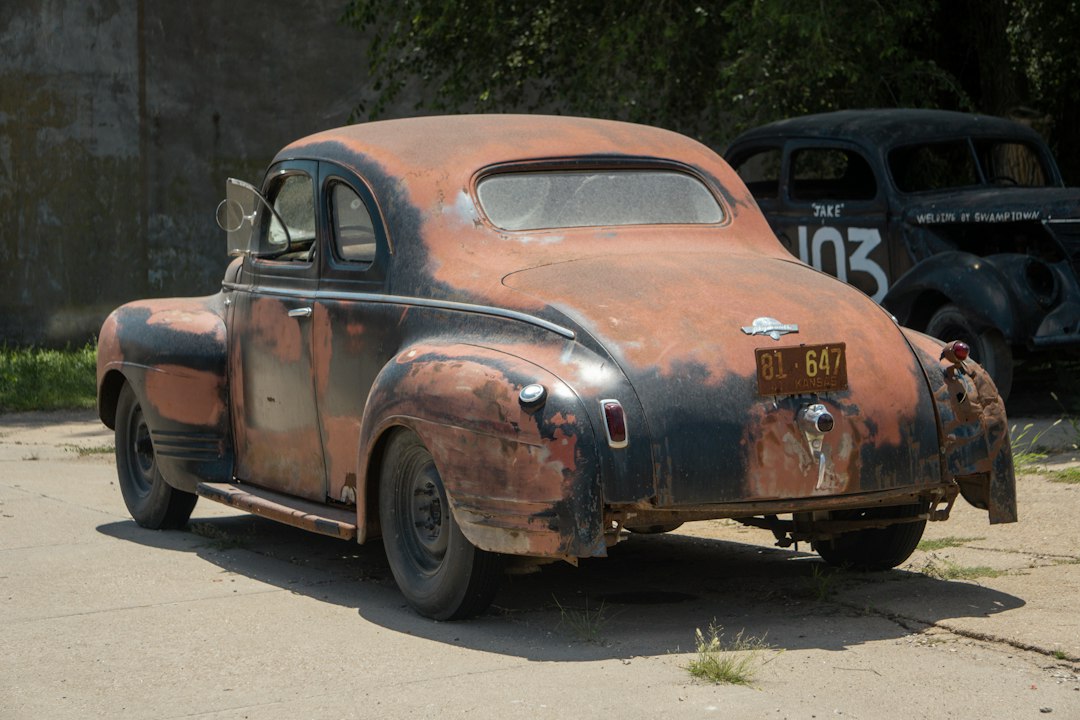
Steel can develop oxidation on exposed surfaces without immediate loss of structural function. Paint chips, fasteners or bare steel brackets may show relatively minor surface corrosion. By contrast, deep flaking, perforation, separated seams or obvious loss of metal around load-bearing components can raise safety concerns. The challenge is that the visible color alone does not reveal how much strength remains.
Do not assume that thick undercoating proves a vehicle has been protected. Freshly applied coating can also obscure previous repairs or existing damage. A qualified technician should examine what lies beneath suspicious coatings when access and seller permission allow. Buyers should not scrape or hammer a seller’s car without permission.
Check rocker panels, wheel arches and pinch welds
Walk around the body in daylight, looking at lower door edges, wheel arches, rocker panels and areas where trim traps moisture. Examine bubbling paint, peeling seams, discolored fasteners and holes. Rust often develops where water and road debris accumulate, but visible outer panels are only part of the story. Some cars have plastic body coverings that conceal corrosion.
Look for mismatched paint texture or evidence of rushed cosmetic repair near rusty regions. Not every repaint is deceptive; normal scratch repair is common. The question is whether the underlying metal was properly assessed and treated. Photograph the exact area so an inspector can match the concern to the vehicle and provide a written assessment.
Structural supports and suspension mounts deserve priority
Have a mechanic inspect accessible crossmembers, suspension mounting points, subframes, frame rails where applicable, control-arm supports, spring seats and attachment areas. Corrosion affecting the ability of components to remain attached under road loads can be a serious safety issue. A vehicle with a solid-looking outer body may still have dangerously compromised underbody components.
Never crawl beneath a car supported only by its tire jack. A lift inspection by a qualified shop is a safer and more revealing approach. If the seller will not allow a reasonable underbody examination, or an inspector reports significant structural corrosion, consider another vehicle. Do not negotiate a safety-critical defect into acceptability merely by seeking a bigger discount.
Brake and fuel lines, exhaust and hardware
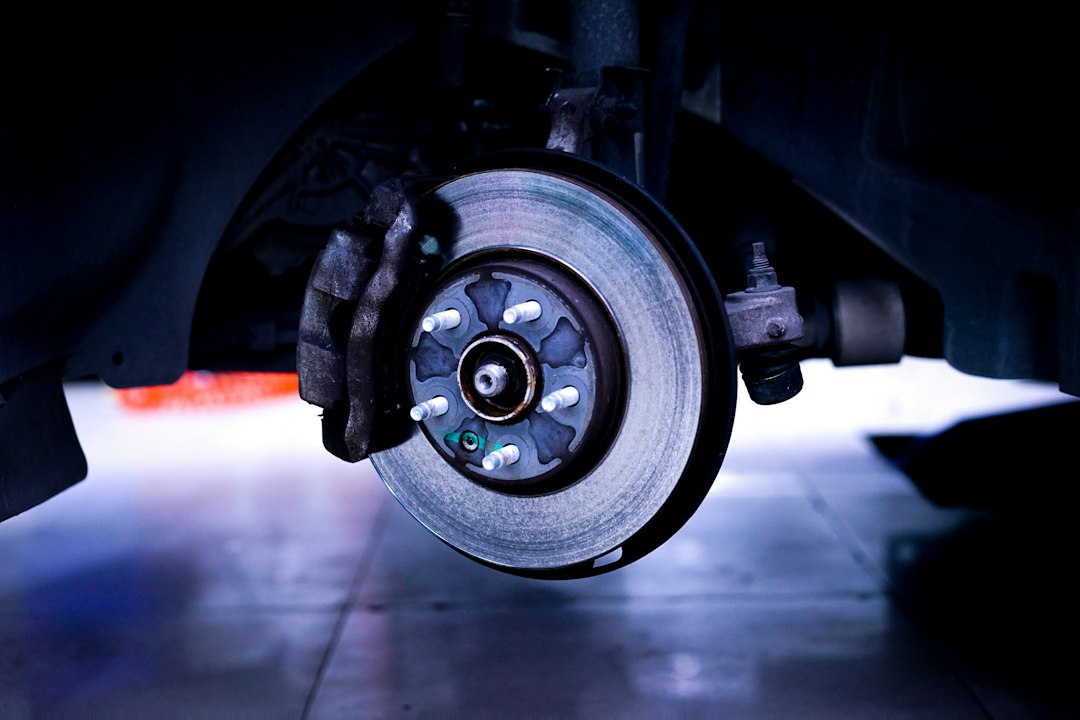
Metal brake lines, fittings and brackets may corrode in regions with road salt and moisture. Leaks or severe deterioration can have consequences beyond an unpleasant repair bill. Fuel lines, exhaust hangers, fasteners and heat shields also deserve attention. A technician should determine whether corroded parts are safe and what repair or replacement procedures are appropriate.
Don’t diagnose a brake-line problem from rust color alone. Ask the inspector for photographs, a written condition statement and a repair estimate. A vehicle that stops normally on a five-minute test drive may still have deteriorated components under the floor. Safety decisions should be based on professional findings, not only driving feel.
Rust and region: consider actual exposure history
Vehicles that spent years in coastal climates or areas using winter road salt may have different corrosion risks, but geography alone cannot establish condition. Records can show previous registration states while failing to capture every location where a car was driven or parked. A vehicle registered in a warm state might still have spent winters elsewhere.
Ask about garaging, winter use, floods and repairs, then physically inspect rather than applying stereotypes. Water intrusion can also create corrosion in hidden electrical connectors and interior structures. Review our flood-damaged car guide for other moisture clues.
Check recalls and model-specific corrosion history
Manufacturer recalls sometimes concern corrosion-related failures on particular vehicles under specified conditions. Use NHTSA’s VIN recall tool and review official manufacturer communications where applicable. An old model-wide headline does not prove your exact VIN is included or that a remedy remains outstanding. Confirm any remedied recall with dated dealer records.
If a rust-related repair campaign exists, understand its scope and coverage. Do not assume a warranty applies automatically based on location or model year. A technician familiar with the vehicle may be able to identify documented high-risk inspection areas for that generation.
Budget for repair complexity, not just a spray-on treatment
Minor cosmetic surface treatment and replacement of seriously corroded structural components are very different jobs. Repair costs depend on access, parts availability, fabrication requirements and whether the manufacturer permits the proposed method. Obtain realistic written estimates from qualified shops when the repair is feasible and appropriate.
Be wary of sellers who propose a quick undercoat as a solution to existing significant rust. Any coating is only as useful as the preparation and underlying metal condition. Financial planning should include whether the car can pass required inspections and whether insurance or resale may be affected by severe prior corrosion.
Walk-away conditions and your final decision
Treat perforated suspension mounts, clearly compromised structural members, serious brake-line defects and inspection refusal as potentially disqualifying. A professional should determine the hazard and remedy, if one is available. Where risk cannot be established, a safer vehicle is often worth the higher purchase price.
Compare clean underbody evidence, maintenance records and market price against alternative cars. Use the pre-purchase inspection checklist and repair-cost planning guide to keep the decision anchored in verifiable findings.
Decision worksheet
| Location | What to inspect | Why it matters |
|---|---|---|
| Wheel arch or door edge | Paint bubbling, seams, perforation | May begin cosmetically |
| Rocker / pinch weld | Deep scaling, gaps, holes | May be structural on some designs |
| Suspension mount | Metal loss and attachment integrity | Safety-critical |
| Brake line | Visible deterioration or leak | Stopping system risk |
| Undercoating | Coverage, age and hidden spots | Can conceal corrosion |
Check the exact VIN, seller terms, professional findings and all available source records before drawing a conclusion.
Frequently asked questions
Does every used car with some rust need to be rejected?
No. Minor surface rust can be ordinary; location, depth and professional assessment are decisive.
Can thick undercoating hide rust?
Yes. Ask a professional to evaluate suspicious areas before trusting a fresh coating.
Can I inspect underneath with a tire jack?
No. Do not crawl beneath a car supported only by a jack; use properly equipped professionals.
Sources and verification
- NHTSA — VIN-Based Safety Recalls
- FTC — Used-Car Independent Inspections
- NHTSA — Tire and Vehicle Safety
Source links provide general background; verify model-year details, insurance, cost estimates and local laws independently.