
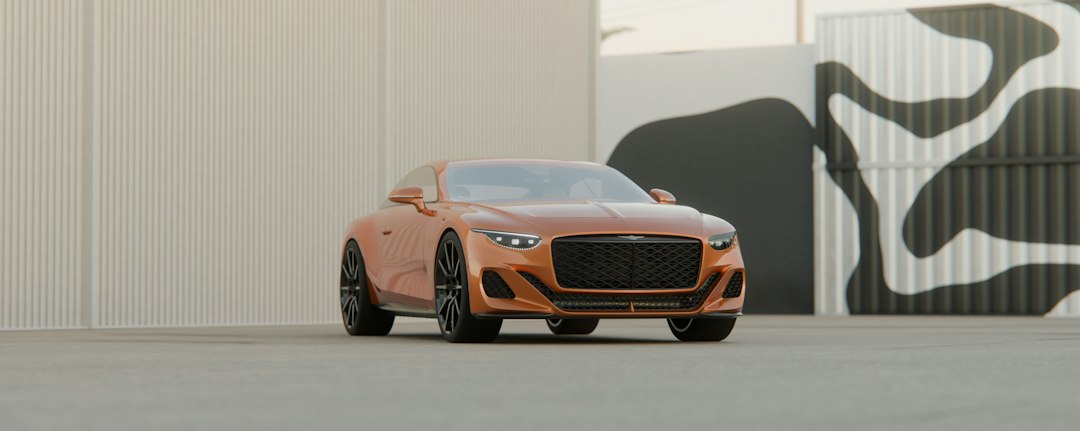
Short answer: a redesign usually changes the vehicle’s underlying engineering era; a refresh updates an existing generation. The label matters less than the actual hardware. Buyers should verify what changed in structure, powertrain, safety systems, electronics, dimensions, and repair complexity before paying more for the newer-looking version.
Car Focus treats “redesign” and “refresh” as research starting points, not verdicts. A modest-looking update can change an important powertrain, while a dramatic facelift can leave most of the underlying vehicle untouched.
What is a full redesign?
A full redesign usually starts a new vehicle generation. The exterior can change dramatically, but the more important differences may be underneath: structure, dimensions, suspension layout, electrical architecture, powertrains, safety systems, interior packaging, and manufacturing changes.
A redesign can create meaningful improvements in space, technology, efficiency, crash performance, or driving behavior. It can also introduce new systems that do not yet have a long ownership history.
What is a refresh or facelift?
A refresh is a substantial update within an existing generation. Common changes include front and rear styling, lighting, wheels, interior materials, infotainment, driver-assistance equipment, trim structure, and sometimes powertrain revisions.
Because the basic platform usually continues, a refresh often preserves much of the earlier vehicle while addressing styling, technology, or market-positioning needs.
Why the distinction matters for used-car shoppers
Used-car listings often place several years of the same model side by side. If a redesign occurred in the middle of that range, the vehicles may differ in far more than age and mileage.
The newer generation may bring better technology or safety features, while the older generation may have a longer track record and a lower purchase price. A refreshed model can sometimes deliver newer features without the price jump of a full redesign.
Look beyond appearance
Exterior styling is the easiest change to notice, but the highest-value research often sits elsewhere. Check whether the update changed the engine, transmission, hybrid system, battery, driver-assistance hardware, infotainment platform, seating, cargo space, towing limits, wheel and tire packages, or service requirements.
A minor-looking refresh can matter more than expected if it changes a troublesome component. A dramatic-looking redesign can matter less to a particular buyer if the practical dimensions and ownership costs still do not fit the mission.
First-year redesigns deserve extra research
A first model year can introduce new technology, new suppliers, new manufacturing processes, and new software at the same time. That does not mean first-year vehicles are automatically unreliable. It means the buyer should research that year on its own merits rather than inheriting the reputation of the generation it replaced.
Do not assume every trim changed equally
Manufacturers can phase changes in by trim, powertrain, body style, or production date. A feature promoted for a refreshed model may not be standard on every version. Verify the configuration you are shopping rather than relying on the headline change list.
How Car Focus will document model changes
Generation guides should identify the broad generation boundary first, then note meaningful year-by-year changes inside it. The purpose is not to catalogue cosmetic trivia. It is to show which changes affect buying, ownership, safety, reliability, technology, performance, or value.
First-year redesign risk is not automatic failure
Shoppers often hear that the first year of a redesign should always be avoided. That rule is too simple. A new generation can launch cleanly, while a later model year can introduce its own new engine, transmission, software package, or supplier problem. The better approach is to identify what actually changed and then research the evidence for that specific configuration.
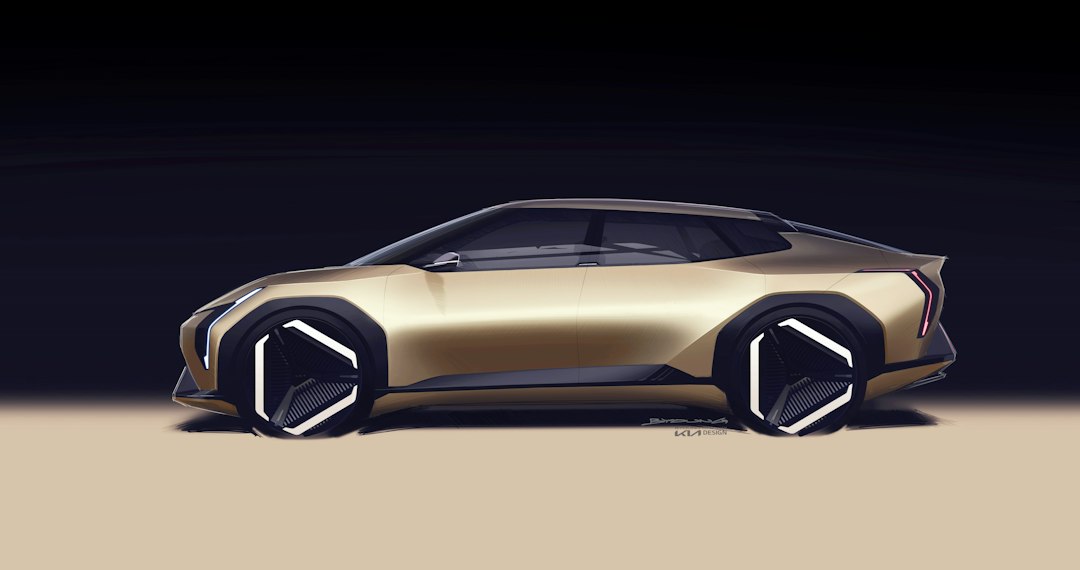
A refresh can matter more than the name suggests
Some refreshes are mostly cosmetic, but others add major safety systems, revised engines, new transmissions, updated battery hardware, or significantly different infotainment. Treat “refresh” as a description of the product cycle, not a guarantee that the changes are trivial.
Compare before-and-after vehicles on the same priorities
When deciding whether the newer version is worth more, compare the exact differences that affect your use case: crash-test context, driver-assistance features, fuel economy, cabin space, powertrain, reliability evidence, warranty status, repair complexity, and market price. A redesign is only an upgrade if the changes improve what matters to you enough to justify the cost.
Verify the change from primary documentation
Start with the manufacturer’s launch material, specification sheets, owner manuals, brochures, technical descriptions, and powertrain documentation for the before-and-after model years. Then cross-check the exact model year in government databases where relevant. FuelEconomy.gov can reveal powertrain or efficiency differences, while NHTSA provides safety-rating and recall research tools.
Do not assume every trim received the headline change. A new engine may be optional. A safety feature may become standard only on higher trims. A battery or transmission change may apply to one drivetrain but not another. “Redesigned for 2027” is not enough detail for a buying decision.
Use a buyer-value test, not a novelty test
| Change | Question for the buyer |
|---|---|
| Structure or crash-safety update | Does it materially improve the safety equipment or rating context that matters to you? |
| Powertrain change | Does it improve efficiency, performance, towing, or reliability enough to justify added complexity or price? |
| Technology update | Does it solve a real usability problem or mostly add features you will not use? |
| Packaging/dimension change | Does it create more usable passenger/cargo space or make the vehicle harder to park? |
| Styling-only change | Are you willing to pay the market premium primarily for appearance? |
The newer version wins only when the changes improve your priorities enough to justify the price and risk difference. A late-production vehicle from the outgoing generation can still be the stronger used-car buy.
Car Focus model-change standard
We document the exact change first and interpret it second. When the manufacturer’s terminology and enthusiast terminology differ, we describe the hardware rather than forcing a label. Reliability conclusions are kept separate until enough evidence exists for the new or revised systems.
Frequently asked questions
Is a facelift the same as a refresh?
The terms are often used similarly, especially when styling and feature changes happen within the same generation. The exact scope still needs to be verified for the model in question.
Should I pay more for the redesigned version?
Only when the improvements justify the premium for your priorities. A well-sorted late-generation vehicle can be the stronger value when the new model’s upgrades are not important to you.
Can reliability change during a refresh?
Yes. New electronics, engines, transmissions, software, or suppliers can change the ownership picture even when the underlying generation remains the same.
Related Car Focus research: What a Car Generation Means and How to Research Car Reliability.