Quick answer: An anti-lock braking system (ABS), traction-control or electronic stability-control warning should prompt careful investigation before buying a used car. The systems serve different purposes but may share sensors and control hardware. A fault can deactivate or limit one or more assistance features even when conventional braking still seems to function. Warning lights identify a concern; they do not prove that a specific wheel-speed sensor is the cause. Use the exact manufacturer’s manual and specialist diagnostic findings before deciding whether the car is safe or affordable to repair.
Research method: Car Focus provides independent buyer guidance based on official sources, not personal vehicle tests or proof of a particular repair.
Understand the systems without confusing their roles
ABS is intended to help prevent wheel lockup during certain braking conditions, while traction control can manage drive-wheel slip. Electronic stability control may assist directional stability by applying individual brakes or modifying power. Their functions vary by model, and none replaces suitable tires or careful driving.
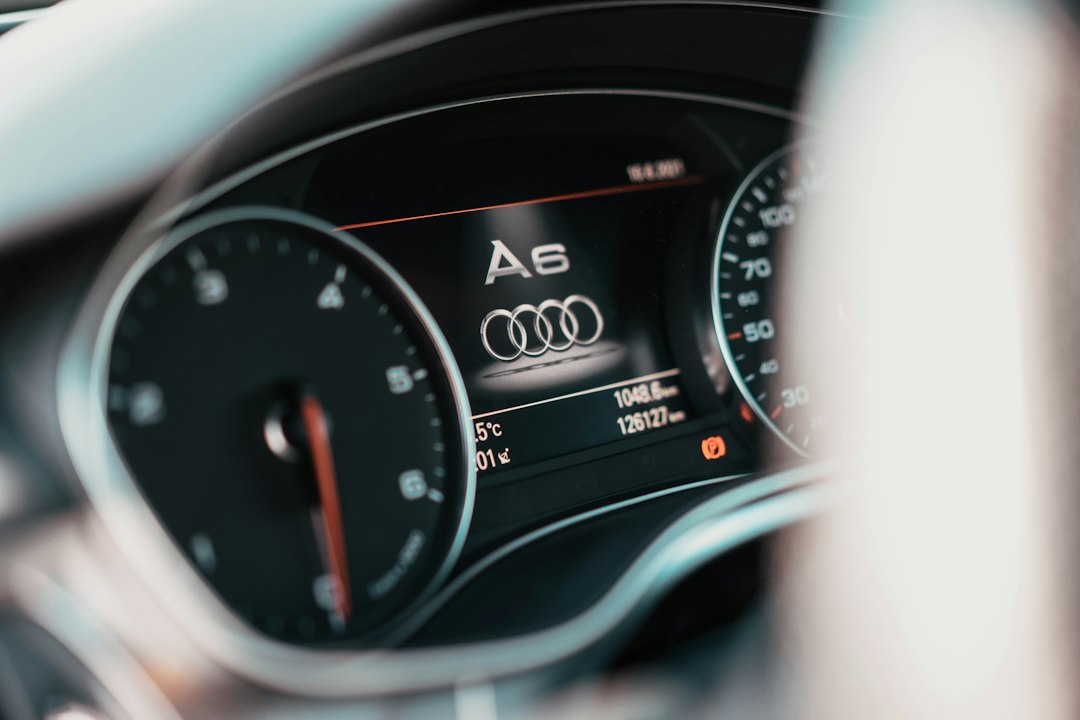
Some dashboard icons illuminate during a routine self-test, while others flash briefly when a system is actively working. The owner manual distinguishes a fault warning from normal intervention. Never assume every flashing light during cornering represents a failed component.
Identify exactly which indicator appeared
Record the symbol, color, message and whether it remains lit after normal startup. An ABS fault lamp differs from a red brake-system warning that could indicate other urgent problems. If a red brake warning remains present, follow the manufacturer’s instructions and avoid driving until the safety issue is assessed.
Stability-control warnings may combine with ABS indicators because shared wheel-speed data affects both systems. Note any simultaneous tire-pressure, power-steering or engine warnings; these clues help a qualified technician understand the full fault context.
Wheel-speed sensors are only one possible cause
Damaged sensors, tone rings, wiring, connectors and wheel bearings can interfere with wheel-speed data. The ABS module, hydraulic unit, braking system or power supply can also develop faults. An inexpensive sensor replacement is not the default solution merely because a code references a wheel.
A competent repairer should interpret fault codes with live data and confirm circuit condition where indicated. A generic emissions scan may not access ABS or stability modules, so request model-compatible tools and a written report.
A test drive cannot safely prove ABS operation
Ordinary braking feel may be normal even if anti-lock or stability assistance is unavailable. Do not perform emergency braking or abrupt maneuvers in a seller’s vehicle to test these systems. Those demonstrations can cause crashes or loss of control.
The correct approach is qualified inspection and manufacturer-specific procedures. Ask whether braking hardware, tire condition and warning indicators have been assessed independently. Our brake inspection guide addresses the mechanical parts.
Tires and alignment can contribute to warning context
Mismatched tire sizes, wheel alterations, significant differences in tire rolling circumference or damaged components can affect some stability and speed-sensing systems. A warning after recent tire work may warrant investigation, but does not automatically prove the shop installed the wrong sensor.
Compare all tires with manufacturer fitment specifications. Check records for collision repair, steering alignment and electronic calibrations when relevant. A visually clean wheel cannot verify an intact sensor harness.
Repairs can involve programming and calibration
Some sensor repairs are relatively straightforward, while a hydraulic control unit or module replacement may need specialized programming or calibration. Modern vehicles may also require steering-angle or other adaptations after certain services. Cost can vary widely by make and model.
Ask for a diagnosis, written parts and labor estimate, and confirmation of post-repair checks. A dealer’s phrase ‘we’ll clear it’ is not equivalent to replacing a defective component and restoring intended function.
Open recalls and service history also matter
Use NHTSA’s VIN tool to check for applicable safety recalls and ask whether a particular campaign was completed. A recall-free VIN can still have a nonrecall ABS defect. Review maintenance records and invoices for prior brake or wheel-bearing work, especially when the warning began immediately afterward.
Do not conclude that a manufacturer’s technical bulletin automatically creates a free repair or that every similar model is covered. The exact VIN, fault and warranty terms matter.
When the warning should stop a deal
If the light remains on or critical braking warnings appear, postpone the transaction until qualified diagnosis and safe operation are verified. Review the estimate relative to the vehicle’s value and other repair needs. A small discount should not be used to ignore impaired safety systems.
Ask for repair documentation and a fresh independent check if the seller corrects the defect. Pair this with the complete pre-purchase guide and tire inspection before signing.
Inspection decision table
| Indicator | Possible concern | Buyer response |
|---|---|---|
| ABS warning stays on | ABS system fault | Qualified module diagnostics |
| Traction/stability warning | Stability or sensor issue | Read manual and scan |
| Red brake warning | Potential urgent braking fault | Stop and seek professional assessment |
| Brief activation during slip | May be normal system action | Consult exact vehicle manual |
| Fault after wheel repair | Sensor or wiring concern possible | Inspect repair and components |
Frequently asked questions
Will my car still brake with an ABS warning?
Conventional braking may remain, but system performance and safety must be evaluated professionally.
Does ABS warning always mean a bad sensor?
No. Multiple electrical, hydraulic and mechanical faults are possible.
Can I trigger ABS to test it during a seller test drive?
Do not create hazardous braking demonstrations. Arrange qualified diagnosis.