
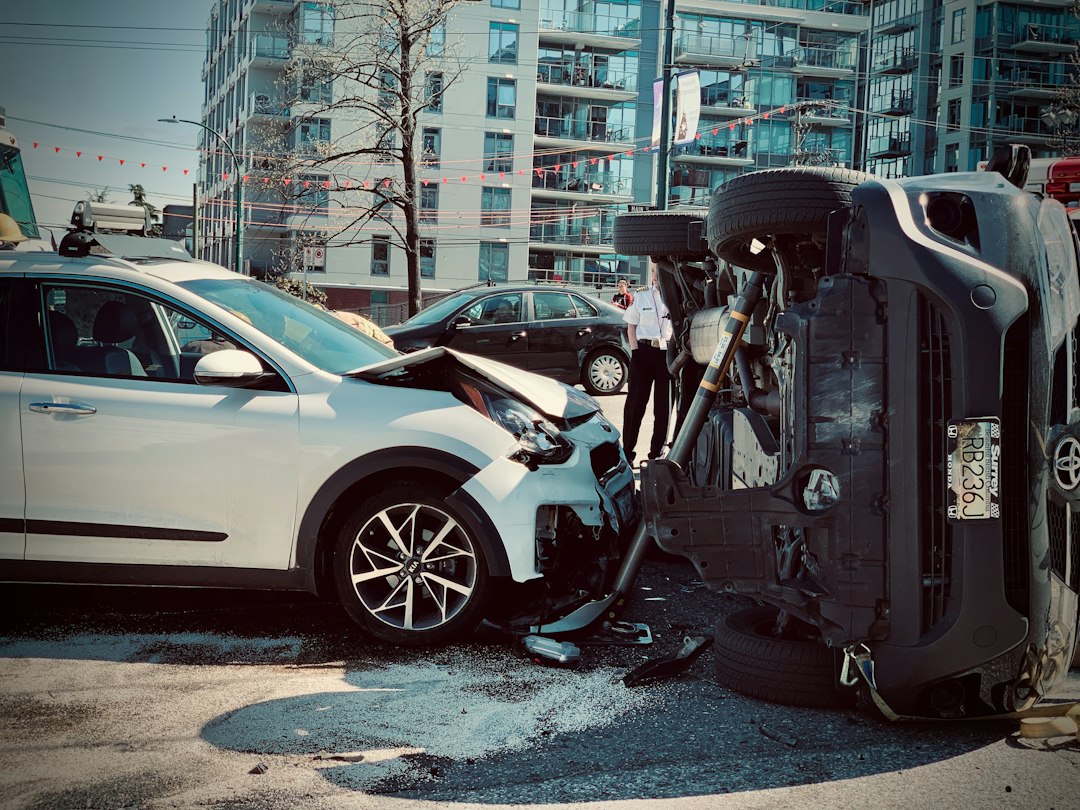
Quick answer: Guaranteed Asset Protection, usually called GAP insurance or a GAP waiver, is an optional product intended to address certain loan or lease shortfalls when a covered vehicle is stolen or declared a total loss. The Consumer Financial Protection Bureau explains that a normal auto insurance settlement may be based on the vehicle’s value rather than the outstanding loan. GAP can help with the difference under its contract, but it is not a promise to pay every remaining charge, repair expense or overdue installment. Read the exact coverage before adding it to a used-car loan.
Reader guidance: This is independent consumer information, not personalized lending, legal or insurance advice. Verify any contract with its provider and compare actual written figures for your circumstances.
Understand the loan-versus-value problem
Suppose you owe $19,000 on a financed used car and the primary automobile insurer determines its covered total-loss settlement is $16,000 after applicable policy treatment. The apparent shortfall is $3,000. Depending on contractual definitions, eligible coverage, exclusions and limits, GAP might pay some or all of the eligible shortfall. The numbers are illustrative, not a guarantee of a particular claim outcome.
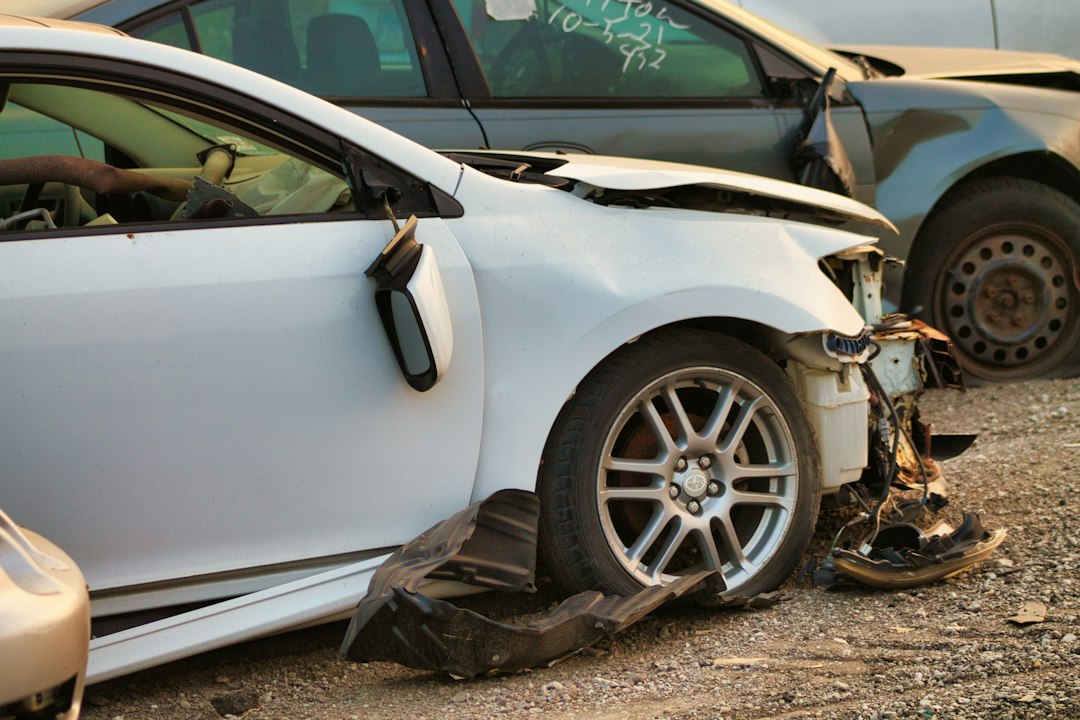
A typical collision that is repairable does not trigger GAP solely because the repair is expensive. GAP generally applies to defined total-loss or theft situations after the primary coverage process, rather than routine breakdowns, depreciation or mechanical repairs. The exact product may be insurance or a contractual waiver, with rules set by provider and jurisdiction.
Know what primary auto insurance pays first
Collision or comprehensive coverage generally addresses covered vehicle damage or theft, subject to policy terms, deductible and settlement rules. Insurers may value a totaled vehicle using actual cash value methodologies, and disputes over valuation have their own process. Your vehicle’s loan payoff is not necessarily the amount your regular insurer must pay.
If you finance, your lender may require certain physical-damage coverages. GAP does not replace that insurance. The CFPB’s auto insurance guidance distinguishes lender-required physical protection, optional GAP and other products. Confirm the primary coverage and deductibles before evaluating whether GAP addresses a meaningful remaining exposure.
GAP coverage may have caps and exclusions
Some contracts limit eligible loan-to-value percentages, dollar payouts, vehicle age or mileage, or the types of included balances. Late fees, overdue payments, certain financed add-ons and rolled-over negative equity may be excluded or limited. Don’t assume a plan pays your entire loan balance just because the dealership calls it ‘full coverage.’
The CFPB has highlighted cases where consumers discovered GAP exclusions for overseas use, missed payments or rolled-in negative equity. Those examples illustrate why exclusions should be read before purchase. Ask the provider in writing whether your particular contract covers the exact loan structure, including prior trade balance and any deductible benefit.
Compare upfront cost and financing impact
GAP sold by a dealer may be priced as a one-time product and rolled into your auto loan. If financed, the loan can accrue interest on the product’s cost, raising the total expense above its sticker price. The CFPB notes that GAP pricing varies significantly and may also be available through insurers or lenders.
Request written prices from the dealership, lender and your existing automobile insurer where relevant. Compare not only premiums but maximum benefit, claim process, exclusions, cancellation terms and whether the coverage is portable after refinancing. A cheaper policy with narrow exclusions may be less valuable than a moderately priced one, but do not assume a more expensive product is stronger.
When GAP is more likely to offer useful protection
Drivers who finance a large share of a vehicle’s price, make a small down payment, take a long loan or roll existing negative equity into the purchase may face a larger difference between loan balance and resale value. These conditions can raise the relevance of GAP, but the policy may still exclude part of the shortfall, so check eligibility carefully.
A buyer making a substantial down payment with a short loan may have less chance of owing more than the car’s insured value for a long period. That buyer may reasonably decide to skip GAP after reviewing actual figures. No simple down-payment percentage guarantees protection because depreciation, taxes, loan terms and market values vary.
What if the used car has a branded title or unusual usage?
Products can have eligibility requirements related to age, mileage, salvage or rebuilt title, commercial use, rideshare, rental or other vehicle classifications. If you plan to use the car for delivery or gig driving, disclose that accurately and obtain provider confirmation. Do not assume ordinary personal-use GAP applies unchanged to a commercial or specialty vehicle.
Ask whether the vehicle must have comprehensive and collision insurance throughout the GAP term. Verify how deductibles and exclusions work if the primary policy denies a claim or limits payment. A dealer’s blanket statement that ‘everyone qualifies’ is not adequate contract analysis.
Cancellation and refunds after payoff or sale
If you pay off the loan early, refinance, sell the car or cancel coverage, you may be entitled to a refund depending on contract terms, state rules and payment structure. The CFPB has taken enforcement actions involving improper GAP refunds, making documentation important. Ask who processes cancellation and where any refund goes if the product was financed.
Get the cancellation contact information, request procedure, refund formula and timelines before signing. Keep your original contract and proof of request. A refund might be applied to a remaining loan balance rather than mailed directly to you, depending on the agreement and law. Follow up until the credit is documented.
Five questions to ask before saying yes
Ask whether this exact loan and used car qualify; which events trigger payment; which balances and deductibles are excluded; the total cost including financed interest; and the cancellation and refund rules. Compare two credible providers when possible. If the salesperson refuses to let you read the agreement, decline or postpone the product.
GAP is generally optional for ordinary consumer auto loans, according to the CFPB. A car with a sound purchase price, adequate down payment and affordable financing may not need it. Read our negative-equity trade guide and APR comparison before deciding whether the protection addresses a real risk.
Decision and finance worksheet
| Scenario | Typical GAP relevance | Need to verify |
|---|---|---|
| Car repaired after collision | Generally not triggered | Policy definition of total loss |
| Covered theft or total loss | May cover eligible shortfall | Limits and primary settlement |
| Mechanical engine failure | Generally not covered | Separate warranty/service terms |
| Rolled-over trade balance | Potential shortfall but exclusions common | Negative equity wording |
| Early loan payoff | Coverage may no longer be needed | Cancellation and refund rights |
Confirm every assumption with the lender, insurer or seller’s written contract; examples are not quoted rates or policy guarantees.
Frequently asked questions
Is GAP insurance required to finance a used car?
The CFPB says GAP is generally an optional product; review any claimed requirement carefully.
Does GAP pay if my car needs a new transmission?
Ordinarily no. It generally addresses defined theft or total-loss shortfalls, not mechanical repairs.
Will GAP always pay all the negative equity?
No. Limits, exclusions and contract definitions can restrict payment.