Quick answer: The best first used car for a teen is not necessarily the cheapest listing, the newest model or the most fashionable SUV. Crash protection, manageable performance, safety equipment, condition and affordability matter together. The Insurance Institute for Highway Safety (IIHS) and Consumer Reports publish vehicle recommendations specifically for young drivers. Use their current model-year lists as a shortlist, then assess the individual vehicle as carefully as any other used-car purchase.
Research method: This Car Focus guide uses authoritative public resources and a practical evidence-first checklist. It does not claim original testing of any named vehicle.
Start with the current IIHS and Consumer Reports recommendations
The May 2026 IIHS/Consumer Reports safe-vehicles-for-teens recommendations separate used models into Best Choices and more affordable Good Choices. They assess crashworthiness and other safety and usability factors, not a brand’s popularity on social media. The recommendations include model-year restrictions and occasionally build-date qualifications, so read the notes for the exact vehicle instead of copying a model name without its qualifying years.
Visit the original IIHS list of safe vehicles for teens to evaluate current candidates. Prices on such lists are guideposts reflecting a specific update and valuation period, not guaranteed dealer inventory today. If a listed model’s current local price is unaffordable, compare alternatives using the same selection principles rather than financing beyond your means.
Make crashworthiness and stability control nonnegotiable
Compare relevant IIHS crash-test ratings, frontal and side protection, rollover risk and the actual vehicle’s electronic stability control. Don’t confuse a model’s overall reputation with the tests for its specific generation and model year. Verify NHTSA recalls for the exact VIN, ask if remedies are complete, and inspect whether airbags and seat-belt warnings operate as intended.
An older model may have weak headlights, limited crash avoidance or lower levels of occupant protection than newer competitors, while a newer model may have other shortcomings. No vehicle eliminates collision risk. The aim is to give an inexperienced driver sensible passive protection and controls while building sound habits and remaining within a realistic budget.
Avoid excess power and difficult-to-manage vehicles
An inexperienced driver generally benefits from predictable handling, intuitive controls and manageable acceleration, not extreme horsepower or aggressively modified suspension. Consider whether the vehicle’s height, size and blind spots will make parking or low-speed maneuvering difficult. A large heavy SUV is not always the right choice just because it feels imposing.
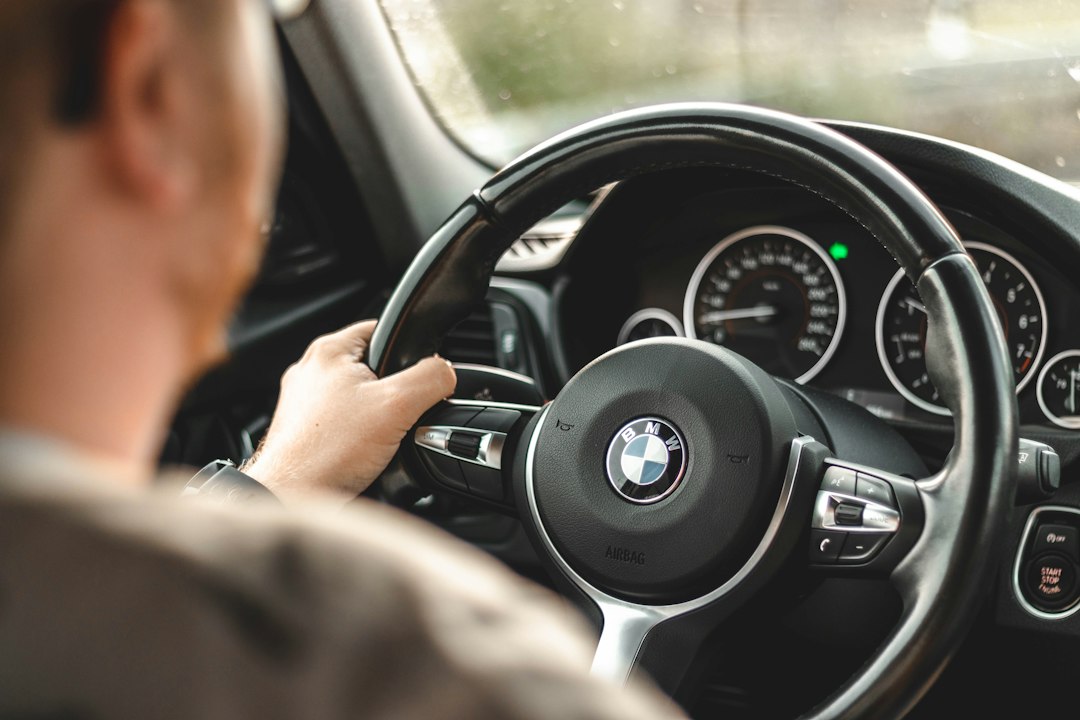
During a supervised test drive, examine mirrors, steering feel, seat adjustments, pedal reach, visibility, parking aids and the effort needed to use climate controls. Distraction-prone or confusing interfaces can work against a new driver. Talk with the teen about their actual commute, parking location and weather rather than buying for an imagined lifestyle.
Balance automatic emergency braking with good fundamentals
Automatic emergency braking, lane departure warning and blind-spot systems can be useful when fitted and functioning, but availability may differ across trims and production dates. Not every feature with the same marketing label works the same way. IIHS includes crash prevention criteria within its higher used-vehicle recommendations; check current test results rather than assuming that a modern-looking dashboard proves full protection.
Don’t conduct dangerous tests by driving toward an obstacle to see whether AEB triggers. Ask an authorized technician to check warning indicators, camera or sensor calibration when there has been a collision or relevant repair. Our driver-assistance comparison explains why these systems supplement a driver’s attention rather than replace it.
Insurance quotes belong in the purchase decision
Teen drivers can be expensive to insure, but actual rates depend on vehicle, coverage, household and insurer. Get real quotes for the specific VIN and driver before paying a deposit. Match liability limits, deductibles and other protection when comparing quotes. If the car is financed, the lender may require physical damage coverage, further raising the monthly cost.
Ask whether a driver-training course, qualifying academic record or other legitimate discount applies, and obtain the terms in writing. Don’t misstate the primary driver or garaging location to secure a lower rate. Our car insurance quote guide provides the side-by-side worksheet.
Inspect the actual car, even if the model makes a recommended list
A recommended model can still be a poor individual purchase because of worn tires, neglected maintenance, flood damage or collision repairs. Verify title and mileage, obtain an independent mechanic’s written inspection and confirm safety recalls. Ask about significant repairs and how much usable life remains in tires and brakes.
Do not judge an older low-mileage vehicle by its odometer alone. Rubber components, batteries and brake systems age even with little driving. The age-versus-mileage guide is a companion framework for understanding these tradeoffs without guessing.
Calculate a first-year teen-driver budget
Prepare a budget including the vehicle’s transaction price, taxes, registration, insurance premium, fuel, repairs, tires, routine maintenance and the cost of driver education. Keep a reserve for an unexpected repair or deductible. If a vehicle fits the purchase-price budget but not the insurance budget, it is not genuinely affordable.
Consider ownership structure and who will handle maintenance, renewal, parking, tickets and claims. Establish a calendar of inspections and oil or other services from the factory maintenance guide. Younger drivers benefit from simple, documented routines rather than assumptions that a reliable badge means the car can be neglected.
Make safe driving part of the plan
Research state restrictions for new and teen drivers, including graduated licensing, nighttime driving and passenger limitations. The CDC and NHTSA publish guidance on crash risks for inexperienced drivers, distractions and seat-belt use. A vehicle can be well chosen and still be unsafe when driven too quickly or while distracted.
Before buying, practice setting navigation while parked, adjusting mirrors and following distance, responding appropriately to warning lights, and documenting a roadside problem. Set clear expectations about phone use and passenger behavior. Choose a first car that makes responsible driving and affordable maintenance easier—not one that only looks attractive in a listing.
Decision worksheet
| Priority | What to verify | Reason |
|---|---|---|
| Crash protection | Exact-year IIHS and NHTSA evidence | Vehicle structure and restraint design |
| Vehicle condition | Independent inspection and VIN recall check | Recommended models can be neglected |
| Control and fit | Supervised test drive | Manageable vehicle for new driver |
| Insurance | VIN-specific written quote | Real monthly cost |
| Ongoing expense | Tires, service, emergency reserve | Total affordability |
Check the exact VIN, seller terms, professional findings and all available source records before drawing a conclusion.
Frequently asked questions
Is a small inexpensive car always best for a teen?
No. Crashworthiness, mass, handling, safety systems and condition must be weighed alongside price.
Do all model years of a recommended car qualify?
No. Check the exact IIHS model-year and sometimes build-date criteria.
Should a teen buy a very powerful used car?
High-performance models are often an unnecessary risk; prioritize manageable controls and safety.
Sources and verification
- IIHS and Consumer Reports — Safe Vehicles for Teens, 2026
- NHTSA — VIN Safety Recalls
- CDC — Teen Driver Safety
Source links provide general background; verify model-year details, insurance, cost estimates and local laws independently.