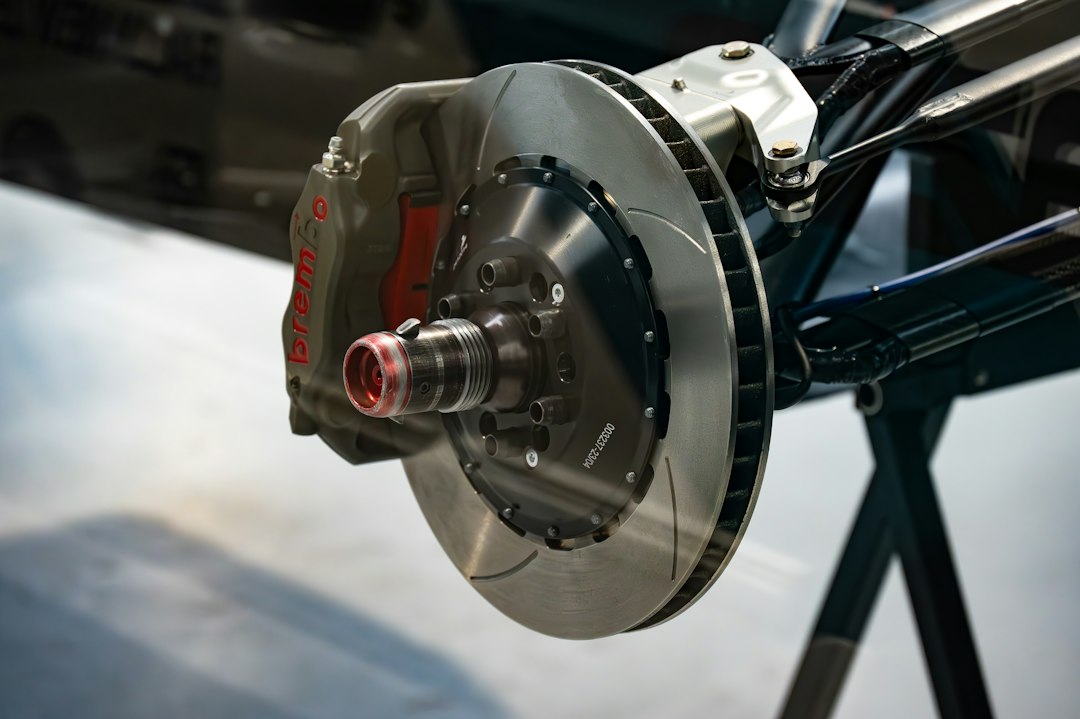
Quick answer: A used car can have a smooth test drive while still needing major brake work. Pad thickness, rotor condition, hydraulic leaks, brake fluid, parking brake and anti-lock braking controls all need assessment. Some signs are visible without tools, but buyers should not guess remaining pad life through the wheel or test emergency stops to diagnose a vehicle. This checklist explains what you can note safely and what an independent technician should verify.
This original Car Focus consumer guide explains a practical inspection and cost-comparison process; no hands-on vehicle test is claimed.
Start with the brake system’s separate components
Most passenger vehicles use a hydraulic service brake system with friction pads and discs or, on some axles, drums and shoes. ABS manages wheel-lock tendencies during certain braking events; electronic stability control may use individual brakes to help control vehicle motion. Hybrid and electric cars may recover energy through regenerative braking, but retain friction brakes for essential stopping functions.
Ask which hardware is installed on each axle and what the manufacturer’s maintenance schedule requires. A recent replacement of front pads does not prove rear brakes, lines, hoses or fluid are healthy. Avoid buying or negotiating based solely on a salesperson’s statement that the brakes were ‘done recently’ without a service invoice.
Inspect what you can see without disassembly
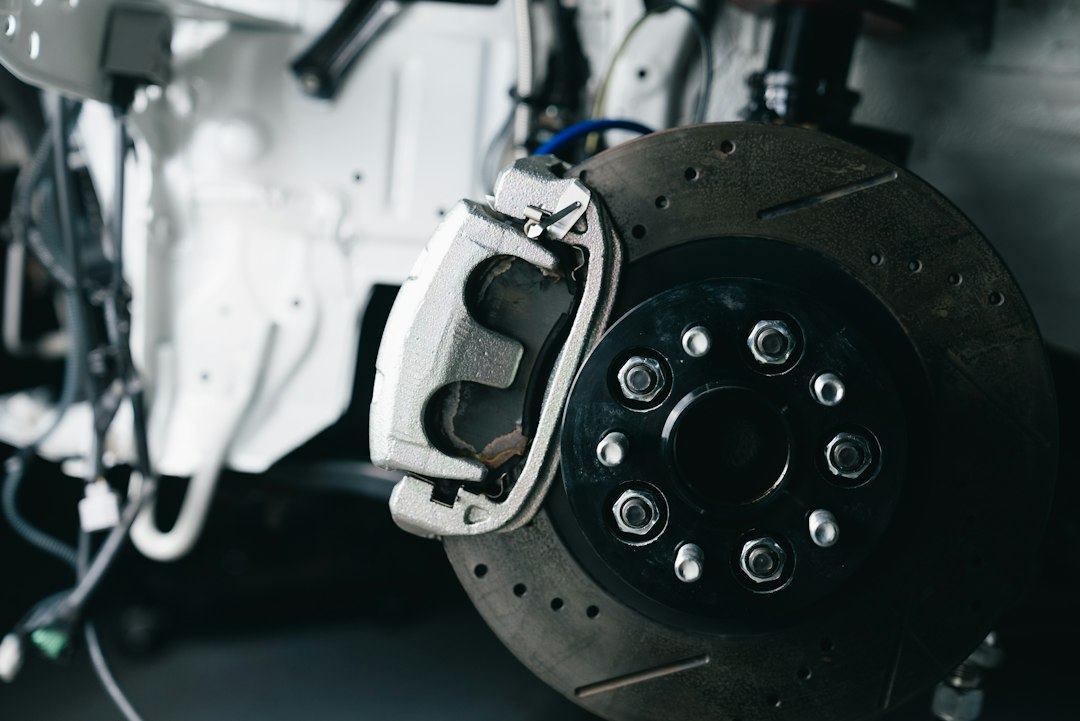
With the vehicle parked and safe, look through the wheels for obvious rotor scoring, significant corrosion or signs of fluid contamination. Some corrosion can occur during normal parking and clear after use, while deep or abnormal patterns may require professional judgment. Photographs taken through the wheel cannot reliably measure pad thickness on both sides or establish whether a caliper moves freely.
Look at tire condition too: uneven wear or damaged wheels may accompany braking or suspension problems without proving a cause. Never jack up or remove parts from a seller’s vehicle without permission and appropriate training. Ask the inspector to document actual measurements and any needed follow-up work.
Brake pads, rotors and calipers
Brake pads wear through normal use, but replacement timing varies by vehicle, driving pattern and brake design. A technician should measure the pad material remaining, inspect inner and outer pads, review rotor thickness and surface condition, and assess caliper operation. If the rotor is below a manufacturer’s minimum thickness or other approved service limit, it may require replacement rather than machining.
Grinding or squealing can have more than one cause. A wear indicator, corrosion, debris or damaged components may sound similar to an untrained ear. Likewise, a pulsing pedal can result from several conditions, including rotor variation, tire or suspension factors. Record the symptom and ask for diagnosis, not a predetermined pad-and-rotor repair.
Brake fluid and the hydraulic system
Brake fluid transfers force within the hydraulic system, and many manufacturers specify a time-based fluid replacement schedule. Moisture contamination and aging fluid can matter even in a low-mileage vehicle. Inspect the maintenance records, reservoir markings and any documented fluid service. A professional may use appropriate test methods when the vehicle and manufacturer permit.
Leaks around brake lines, hoses, master cylinder or wheel components are serious. Do not drive a vehicle with suspected compromised braking merely to complete the test route. A low fluid level can have several causes and is not by itself proof the pads are worn. Have the underlying problem investigated before taking possession.
Warning lights and ABS diagnostics
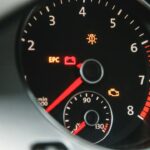
When the ignition is turned on, warning lamps may illuminate temporarily during normal self-checks. If the brake, ABS or stability-control warning remains illuminated unexpectedly, read the owner’s manual and request professional diagnosis. A generic code scan may not interrogate every module, and a warning that was cleared without repair may return later.
ABS does not shorten stopping distance in every condition and does not replace sensible speed or proper tires. Never intentionally trigger ABS or panic braking during a seller’s test drive. If a vehicle presents critical brake warnings or abnormal pedal behavior, end the driving portion and arrange safe professional evaluation.
Assess braking in ordinary driving only
With seller permission and on a safe, legal route, observe whether the car brakes smoothly in normal traffic. Take note of pulling, pulsation, grinding, vibration, delayed response or unusual smells. Road slope, tires and pavement can influence how the vehicle feels. Do not let go of the wheel or perform abrupt braking maneuvers to identify a suspected fault.
Record the approximate speed, whether the condition happens when cold or warm, and whether it occurs only during turning or braking. A written observation helps a technician reproduce and diagnose the issue. For the larger test route, use our 15-minute test-drive checklist.
Turn the inspection into a documented cost
Ask the mechanic for a written evaluation showing pad measurements, rotor condition, hydraulic concerns, tire notes, and recommended urgent versus future work. Obtain a local installed quote that includes parts, labor, fluid where appropriate and taxes. Different OEM and aftermarket parts may have different warranties or performance, so clarify what the estimate includes.
Do not accept an arbitrary ‘brake discount’ with no actual findings. A car with new documented brakes may be worth more than one with a short-term repair requirement, but overall vehicle condition and price still decide value. Our repair and ownership cost guide provides a framework.
When brake problems should stop the transaction
Severe leakage, inadequate braking, critical warnings or a technician’s unsafe-to-drive assessment should override cosmetic appeal and advertised price. If the seller cannot resolve or document a safety problem, consider another vehicle. A warranty or service contract does not make it safe to drive a mechanically compromised car today.
Pair the brake report with a full pre-purchase inspection, service-history review and VIN-based safety recall check. Even a car with apparently good pads can have structural, tire or electronic problems elsewhere. Safety requires a system-level assessment, not a single replaced component.
Inspection and cost comparison table
| Part or symptom | Buyer observation | Professional follow-up |
|---|---|---|
| Brake pads | Unusual noise; service records | Measure actual inner/outer thickness |
| Rotors | Visible scoring or severe rust | Check surface and minimum thickness |
| Hydraulics | Leaks, abnormal pedal, fluid condition | Inspect lines, hoses and fluid |
| ABS / stability | Persistent warning or message | Manufacturer-capable diagnostic scan |
| Parking brake | Engagement and release | Inspect operation and adjustment |
Use actual inspection findings, manufacturer guidance and local quotes rather than treating hypothetical examples as price guarantees.
Frequently asked questions
Can I judge pad life by looking through the wheel?
Not reliably. Inner and outer pads may wear differently and should be measured professionally.
Does squealing automatically mean new brakes?
No. It is a symptom that requires diagnosis, not a definitive repair order.
Should I drive a car with a brake warning?
Check the owner’s manual and obtain professional advice; critical warnings or compromised braking mean stop driving safely.
Sources and research methodology
- NHTSA — Tires and Road Safety
- NHTSA — Anti-Lock and Safety Technologies
- FTC — Used-Car Independent Inspection
Vehicle specifications and service intervals vary; verify claims against the manufacturer’s documents for the exact VIN and model year.