Quick answer: Catalytic-converter theft can leave a vehicle noisy, with unsafe exhaust leaks and possible emissions-registration problems. Yet a loud exhaust does not prove a converter was stolen, and an illuminated check-engine light can have other causes. A qualified shop should verify every required emissions component, inspect for damage and confirm whether any replacement is legal for the exact vehicle and state. Buyers should investigate rather than accepting a seller’s casual explanation that the car ‘just needs a cheap pipe.’
Editorial method: This is evidence-oriented, original buyer guidance, not a claim that Car Focus tested the particular vehicles illustrated.
What the converter does in a vehicle
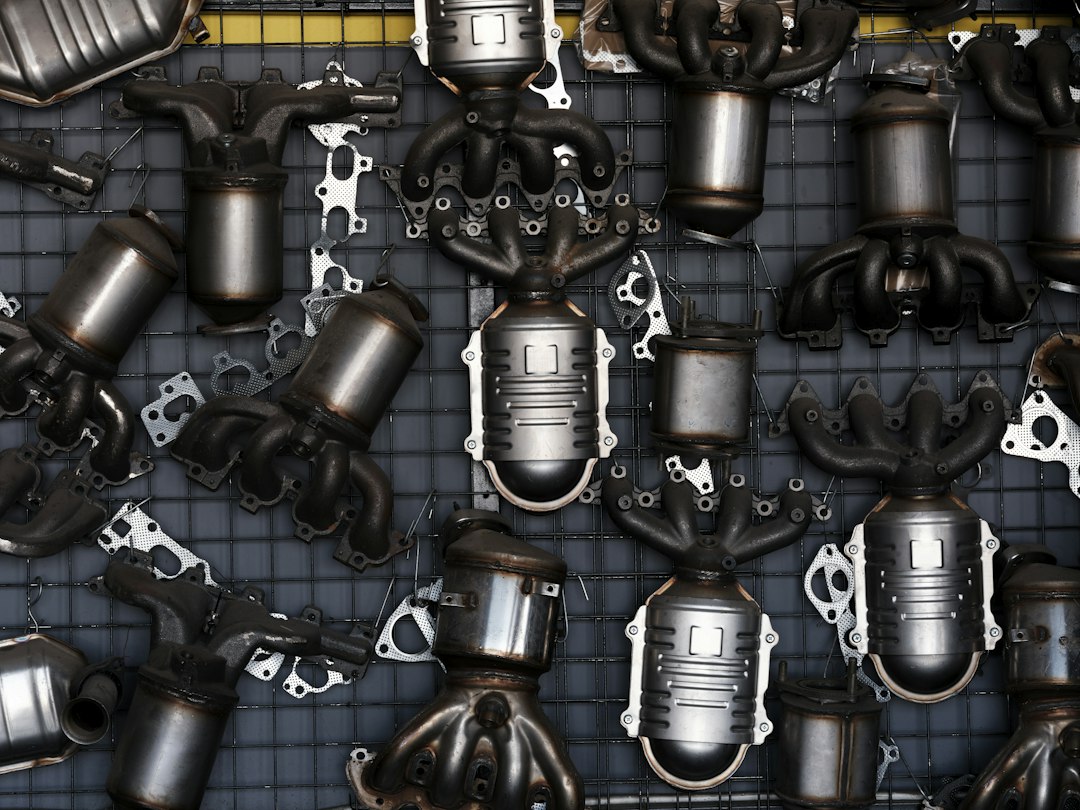
Catalytic converters are part of the emissions system for many combustion-engine vehicles, reducing certain tailpipe pollutants. Their number, location and design vary by year, engine and market. Some units are integrated close to the engine and others mount farther downstream. A car may have more than one required emissions component.
Use manufacturer technical specifications to understand the correct factory configuration. A generic converter marketed as universal may not meet relevant federal or state certification rules for the exact vehicle.
Watch for evidence of theft or exhaust modification
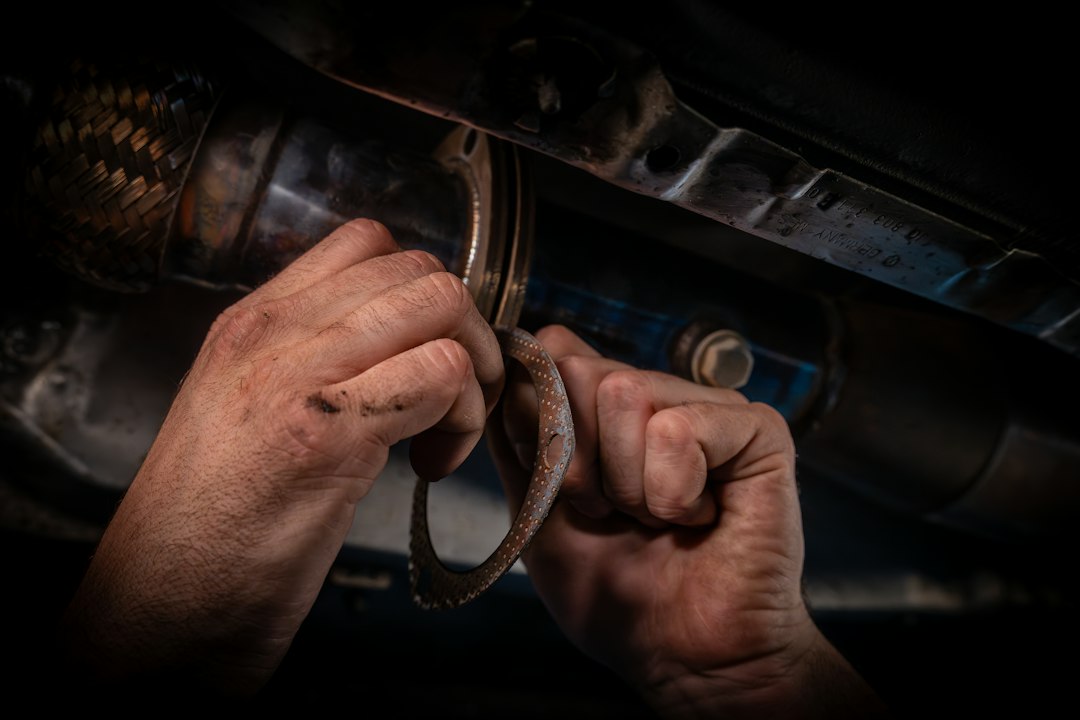
Unexpectedly loud operation, new welds, cut pipes, dangling sensors or visible missing components can signal previous exhaust work. These are clues rather than definitive proof of theft. A mechanic should examine the system on a proper lift, looking for exhaust leaks, damaged wiring and heat shielding.
Never crawl beneath a car supported only by a tire jack. Exhaust leaks can create dangerous cabin exposure, and a vehicle suspected of leaking gases needs professional evaluation before continued driving.
A replacement job may need more than the converter
Theft or improper cutting can damage oxygen sensors, wiring harnesses, brackets and surrounding piping. Even after a converter is fitted, diagnostic trouble codes can remain if the complete problem was not corrected. Resetting codes without fixing the fault is not an adequate repair.
Ask for parts invoices, labor description, sensor work, any applicable readiness tests and warranty. Review our OBD readiness guide when the emissions warning has recently been cleared.
Verify emissions compliance where you will register
Federal law restricts tampering with emissions equipment. Certain states apply additional requirements to aftermarket replacement converters. A seller’s car passing testing in one jurisdiction does not guarantee that a different state accepts the same modification. Check your location’s registration and emissions rules in advance.
Do not attempt to evade testing by disconnecting sensors or altering software. Ask an approved local repair provider about correct replacement specifications for the vehicle. A lawful repair can be significantly more expensive than an illegal substitute.
Get real repair documentation
If the seller reports previous catalytic theft, request insurance documentation and shop invoices, including date, VIN and parts used. A new weld or shinier section of exhaust is not enough to establish what was installed. An inspection should assess surrounding underbody damage and mounting condition.
A vehicle-history report may not record component theft, making physical inspection important. A clean title or lack of accident reports does not certify exhaust completeness.
Understand variable replacement costs
Converter and installation costs differ by model, part availability, certification and how much additional piping or wiring needs replacement. The same general vehicle family can have different part needs by engine or emissions certification. Get a written local installed quote for the exact VIN.
A seller’s arbitrary discount cannot substitute for knowing the legal repair price. Include emissions retesting, rental transportation or downtime if relevant to your budget.
Ask about insurance and prevention
Covered catalytic converter theft may fall under comprehensive coverage, but limits, deductibles and claim eligibility depend on the exact policy. Before buying, ask your insurer about the vehicle and how a claim would be handled. Do not assume an existing seller claim transfers to your insurance.
Physical deterrents and secure parking may reduce exposure, but they do not guarantee theft prevention. Avoid unsupported claims that any particular lock or shield eliminates the risk.
Go/no-go checklist
Confirm factory emissions configuration, inspect the underbody, examine repair records, check diagnostic readiness and registration eligibility, and obtain an accurate quote when repair is needed. If unsafe leaks or illegal tampering remain unresolved, do not treat the car as road-ready.
Our pre-purchase checklist covers related mechanical and safety concerns. A verified compliant repair is more valuable than verbal reassurance.
Buyer verification table
| Observation | Concern | Follow-up |
|---|---|---|
| Very loud exhaust | Leak or missing equipment | Underbody inspection |
| New welds/cut pipe | Previous repair or modification | Parts documentation |
| Emissions warning | Sensor or system fault | Professional scan |
| Unapproved converter | Registration barrier | State requirements |
| Comprehensive insurance | Potential theft coverage | Confirm deductible and terms |
Frequently asked questions
Does a loud exhaust prove converter theft?
No. Leaks and modifications can create similar noise.
Can any cheap converter be installed?
No. Check legal certification and vehicle compatibility.
Will insurance always pay?
Coverage depends on the policy and deductible.