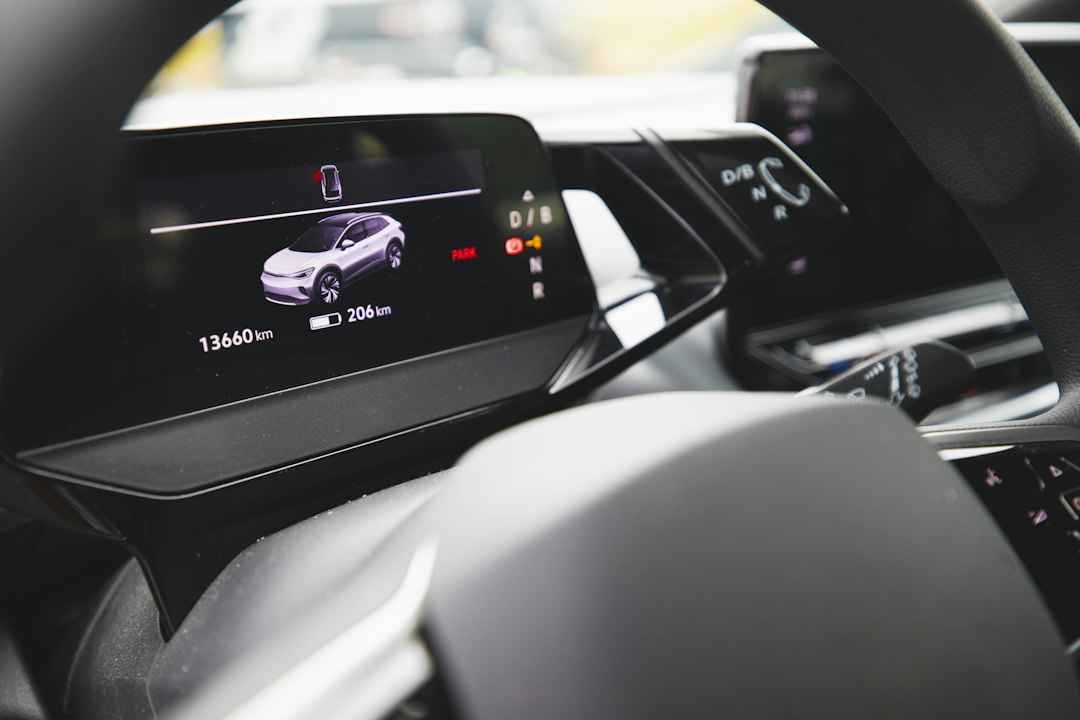
Quick answer: An electric car showing 250 miles of estimated range at full charge does not necessarily have a battery with its original capacity. Many EV range displays are adaptive forecasts based on current state of charge, recent driving efficiency, temperature and vehicle software assumptions. Battery state of health concerns usable capacity and other diagnostic indicators; a dashboard distance estimate is not a standardized health test. Used-EV buyers should verify the exact model, ask for available battery reports, review warranty eligibility and use qualified inspections rather than making a major purchase based on a single number on the dash.
Editorial standard: This is original research-led buyer guidance, not a claim of hands-on vehicle testing. Confirm model-specific requirements with primary documents or a qualified professional.
Separate charge percentage, estimated range and battery health
State of charge is a measurement or estimate of how full the battery is relative to its current usable capacity. Displayed miles are a driving-range prediction. Battery state of health typically refers to remaining performance compared with an original or defined reference condition, but manufacturers calculate and report it differently.
A battery that has lost some usable capacity can still show a high range estimate after efficient recent driving. Conversely, a healthy pack may show fewer miles in freezing weather or following highway travel. Never treat a range screenshot as a certified capacity test.
Manufacturer health data is not universal
Some EVs expose a battery health or capacity test through the dashboard or manufacturer diagnostic interface. Others provide limited consumer-facing information. Third-party apps may estimate health using telemetry but have model-specific accuracy and access limitations.
Ask the seller and an independent EV-qualified technician which measures are available for the exact model and year, whether the test requires a defined charge/discharge procedure, and what the report actually represents. A number without methodology can create false confidence.
Temperature changes observed range
Low temperatures can increase energy used for heating and reduce the immediate performance available from some batteries. Hot weather, cabin cooling, speed, wind, hills, tire pressure and payload also change electric driving efficiency. These factors are not equivalent to permanent capacity loss.
Do not judge battery degradation from one short cold-day drive. Use the exact EPA model rating as a reference, review owner records when available and compare behavior under reasonable conditions. The DOE explains that EV range is affected by driving and environmental conditions.
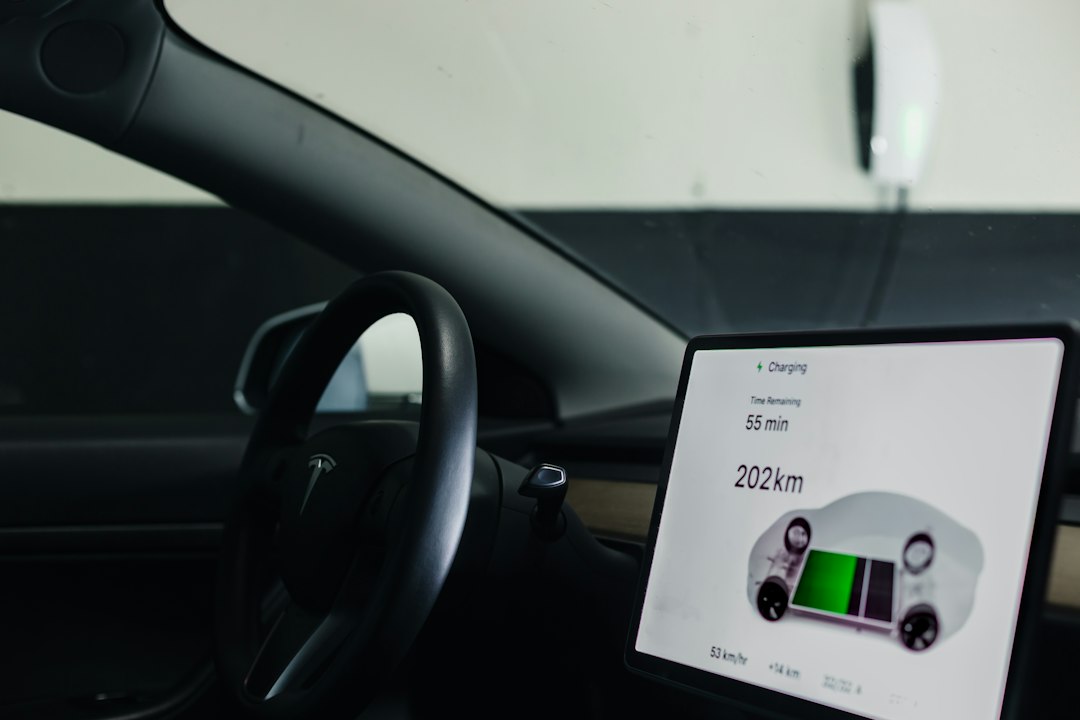
Charging behavior is useful evidence, not a complete test
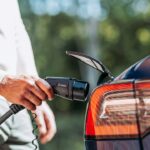
Check the charge inlet for condition, verify the correct cables or adapters, and if possible complete a normal compatible charging session with seller permission. Observe warnings, unusual termination or unexpectedly slow charging while recognizing station power, battery temperature and charge percentage affect rate.
DC fast-charge curves vary greatly across models and the state of charge. A single peak kW figure does not prove healthy capacity or indicate that a car charges that fast for an entire session. Obtain vehicle-specific manufacturer information and a qualified diagnosis when charging faults appear.
Warranty terms can be decisive
Used EV battery coverage commonly has distinct time and mileage provisions, but exclusions, minimum capacity thresholds, transfer rules and original in-service dates vary. Check the VIN with the manufacturer and request relevant warranty terms in writing.
A dealer advertising a ‘battery warranty’ may be referring to an optional service contract with narrower terms. A replacement pack may have a different remaining warranty than the original. Read both coverage and eligibility before including it in the purchase value.
Review recalls, service and charging history
Ask for invoices for battery cooling, charging electronics, software updates and high-voltage repairs. Check open recalls through NHTSA. Charging history may be limited or unavailable, so avoid claiming that frequent fast charging automatically proves damage in one specific car.
A battery can also be affected by unrelated drivetrain and thermal management problems. An EV specialist should inspect cooling and high-voltage fault records when the vehicle makes such data available, while following strict electrical safety procedures.
Translate battery uncertainty into financial risk
Find real prices and warranties for replacement or repair options for the exact model rather than applying one national ‘EV battery replacement cost.’ An advertised used price may look attractive until expected driving range, insurance and specialized repair access are included.
Check our used EV checklist and home charging guide to assess total ownership economics. Some healthy used EVs can be good values even with less than new-car range.
Eight checks before paying
Verify VIN and trim, dashboard warnings, official range rating, actual state-of-health data where supported, normal charging behavior, service and recall history, battery warranty and competent mechanical/electrical inspection. Separate measured facts from estimates in the purchase file.
If important high-voltage faults remain unresolved or the seller blocks inspection, consider another vehicle. The goal is enough verified information to price battery risk without pretending a dashboard number is more precise than it is.
Practical decision table
| Number shown | What it represents | What it does not prove |
|---|---|---|
| State of charge % | Current relative charge | Original capacity |
| Estimated miles | Forecast under assumptions | Guaranteed road range |
| Battery SOH reading | Model-specific health estimate | Universal comparable standard |
| EPA rated range | Standardized new-vehicle comparison | Used battery capacity today |
| Fast-charge peak | Maximum observed charging power | Full-session rate or capacity |
Use the table with actual vehicle records, test scope and written costs instead of assuming a symptom proves a particular failure.
Frequently asked questions
Is 100% charge equal to 100% battery health?
No. Charge level and long-term usable capacity are different concepts.
Can winter weather reduce displayed range without battery damage?
Yes. Temperature and heating affect efficiency and range prediction.
Do all EVs provide an official battery-health percentage?
No. Availability and methodology depend on the manufacturer and model.