Quick answer: Used-car maintenance records reveal more than a stack of oil-change receipts. Dated entries help you verify mileage progression, identify overdue work and evaluate whether the previous owner followed the exact manufacturer’s schedule. A car without records is not automatically bad, and a thick folder is not automatically trustworthy. The objective is to build an evidence-backed service timeline and arrange a mechanic’s inspection around any gaps.
Car Focus compares documented specifications and practical buyer questions. This article does not claim hands-on vehicle testing or certify the condition of any particular car or truck.
Identify the correct maintenance schedule
Find the manual and factory maintenance schedule for the exact model year, engine, transmission and drivetrain. Some schedules vary by severe use, short trips, towing, dusty conditions, climate or operating temperature. A car used for delivery may follow a different recommended interval from a lightly driven commuter. Do not apply one universal oil-change mileage to all cars.
Look for age-based work as well as mileage-based work. Brake fluid, coolant, belts and rubber parts may require attention because of time even when annual mileage is low. Confirm which intervals are mandatory for the specific vehicle and which are dealership recommendations. This avoids calling healthy service ‘overdue’ solely because a generic shop sticker suggests it.
Make a chronological service ledger
Create a four-column spreadsheet: service date, odometer reading, operation performed and proof available. Record the VIN or registration identifier on documents where practical. Receipts from independent garages, franchise dealerships, owner-maintained logs and parts invoices can all contribute evidence. A service entry should specify what happened, not just ‘vehicle checked.’ Keep scans or photographs of original paperwork.
Check the mileage progression. An older receipt with a higher odometer reading than a newer record needs clarification, although data-entry mistakes are possible. A vehicle history report can supplement the ledger, but service entries are often incomplete because many shops and owners do not report every visit. Read our history report versus inspection guide to understand that limitation.
Prioritize fluids and consumables by risk
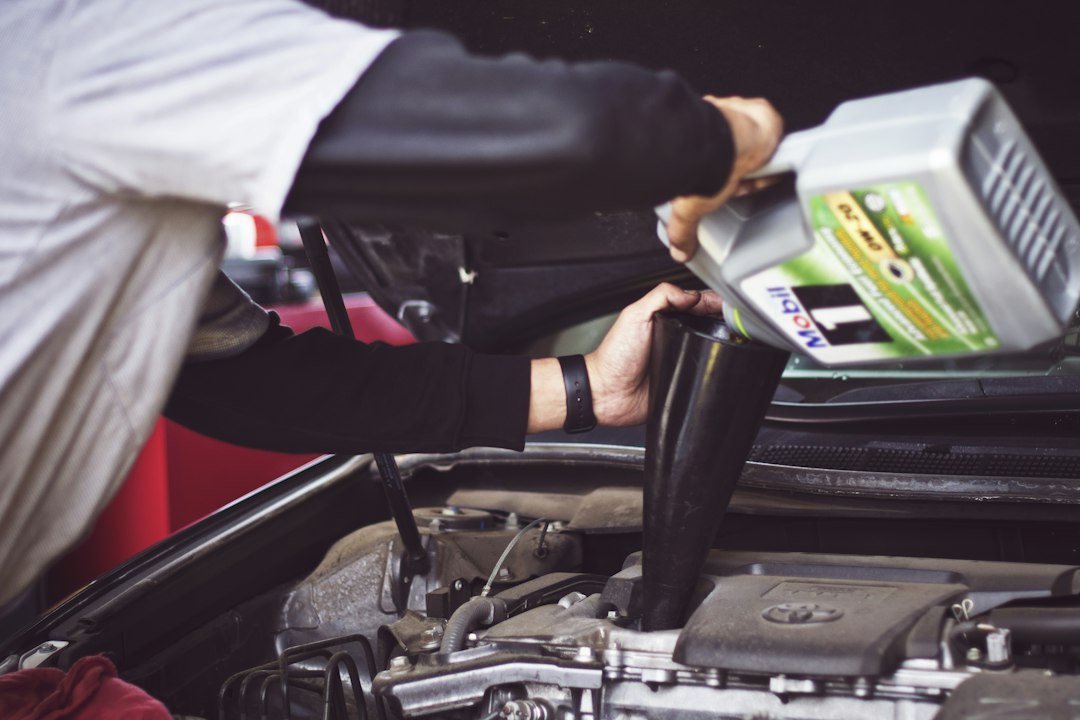
Review engine oil and filter changes, coolant service, transmission fluid, brake fluid, air and cabin filters, spark plugs, brake pads, tires and battery condition. Different powertrains have different requirements, and not all transmissions use the same service procedure. Do not accept a blanket claim that any fluid is ‘lifetime’ without seeing the manufacturer instructions for this model.
When a seller says a repair was completed, ask for the work order and what parts or fluid specification were used. The correct specification matters; an incorrect service can create its own damage. Do not authorize aggressive flushing or a service intervention solely because records are missing—ask a qualified technician to evaluate current condition and manufacturer guidance.
Investigate major milestone services
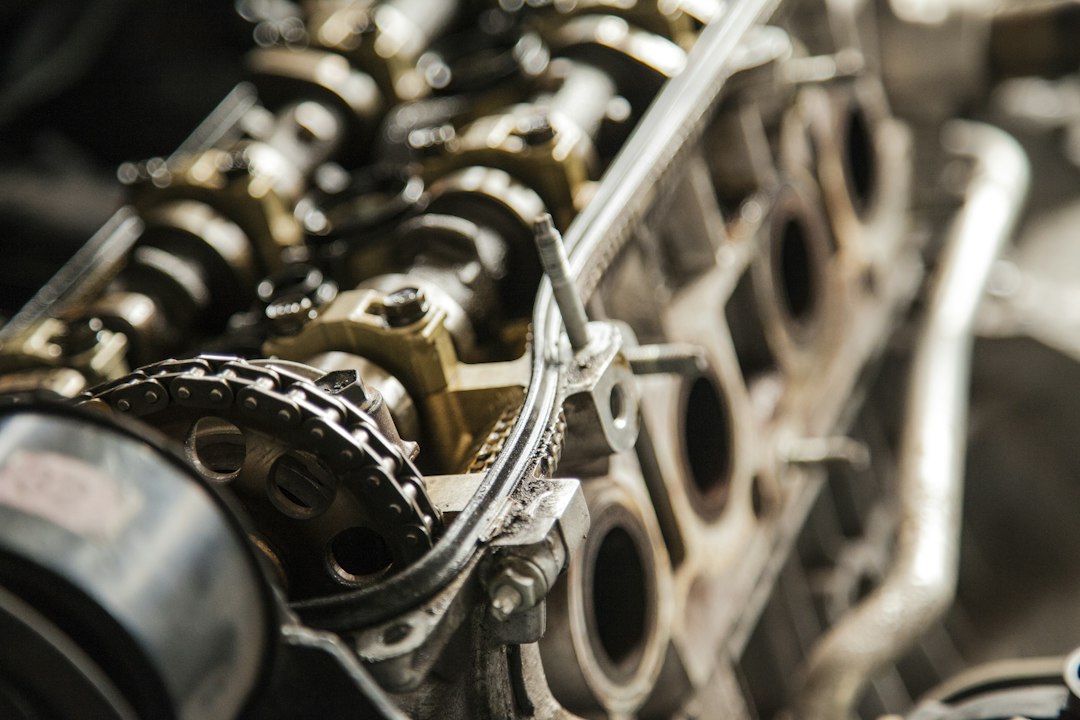
Timing belts, some auxiliary belts, cooling-system components, spark plugs and other milestone items can make a surprisingly large difference to ownership cost. Some vehicles use timing chains rather than service-interval timing belts, and the correct distinction depends on the engine. Ask for receipts with part details instead of assuming the prior owner completed expensive work just before selling.
A neglected or undocumented high-cost milestone may justify obtaining a written quote and revising the purchase offer. Conversely, a car that received properly documented work last month might be worth more to you than an otherwise similar example with uncertain maintenance. Compare condition and repair evidence rather than assigning a fixed dollar premium to every receipt.
Look for signs that records and condition disagree
If the seller supplies immaculate service documents but the dashboard has multiple warnings, tires are dangerously worn or engine oil is badly neglected, ask why the car’s condition does not match the story. Rebuilt engines, transmissions or collision repairs should also come with useful invoices and warranty terms. A document does not conclusively prove that every line item was completed correctly.
A qualified independent mechanic can assess fluid leaks, abnormal wear, suspension condition, tires, brakes and certain diagnostic histories. The Federal Trade Commission recommends such an inspection even if a vehicle has a history report or a dealer-certified label. Keep findings in a written report that identifies the VIN and describes further diagnostic needs.
How to handle a car with no service records
Private owners may change oil or perform routine work themselves. This is not inherently neglect, but it changes how much evidence you have. Ask for parts receipts, a dated log, photographs or the name of a shop that can verify work with the owner’s authorization. If none exists, treat the maintenance history as unknown rather than either perfect or disastrous.
Budget for a baseline maintenance assessment after purchase, especially where fluid age, tires, brakes or cooling-system condition are uncertain. Ask a professional whether any immediate repairs are necessary before ordinary use. Paying slightly more for an example with verified history may reduce uncertainty, but it still cannot eliminate failure risk.
Use the records in price negotiations
Separate work that is overdue by schedule, work a mechanic confirms is needed now, and work you merely fear might be required. Get written estimates for actual items with parts and labor. Avoid subtracting a guessed ‘neglect penalty’ without evidence. An older car with preventive work documented can be a stronger purchase than a newer car with repeated missed maintenance, depending on condition.
Compare the work to the final out-the-door quote and estimate ownership costs using the Car Focus ownership-cost planning guide. Records are most useful when they influence inspection priorities, negotiation and future maintenance—not when they merely make a listing look impressive.
Build a first-year maintenance plan
Once a candidate passes inspection, create a first-year checklist with dates or mileages for the manufacturer’s upcoming service, current tire condition, registration and insurance renewal, and routine checks. Keep an emergency repair reserve and update the ledger after each completed task. Store the receipts digitally with the VIN and vehicle information.
If the seller’s explanation sounds reasonable but a gap matters financially, pause until you can verify enough facts to accept the risk. A strong used-car purchase is a documented decision, not a guarantee of future reliability. The more expensive the potential failure, the more valuable independent evidence becomes.
Buyer comparison worksheet
| Evidence | What it can verify | Key limitation |
|---|---|---|
| Dated garage invoice | Parts, services and odometer | Quality not guaranteed |
| DIY receipts/log | Owner-reported upkeep | Work completion may be unverified |
| Vehicle history | Some reported service events | Reporting is incomplete |
| Independent inspection | Current visible and diagnostic condition | Not a full teardown |
Record the facts for the exact vehicle and obtain professional verification for unresolved safety or mechanical concerns.
Optional shopping resource: Related vehicle-care resources and supplies may be useful for maintenance planning. The links below may generate an affiliate commission.

Frequently asked questions
Are missing maintenance records a deal-breaker?
Not automatically. They add uncertainty that should be addressed through questions, inspection and pricing.
Can a vehicle history report prove all services were completed?
No. Many legitimate maintenance events never enter reporting databases.
Should I immediately flush every fluid after buying?
No. Follow manufacturer guidance and qualified inspection findings for the exact car.
Sources and research notes
Primary sources and official consumer information support the general framework. Vehicle-specific maintenance and capacity data must be checked in manufacturer documents.