Quick answer: Timing belts and timing chains synchronize important engine components, but their materials and maintenance expectations differ. Many belt-equipped engines require scheduled replacement, while many chain-equipped engines do not specify a routine replacement interval. Neither design is guaranteed to last forever. Before buying a used car, identify the exact engine, read the official manufacturer maintenance schedule and establish whether critical service was completed with credible documentation.
Research method: This Car Focus guide uses published consumer guidance and a buyer decision framework, not claims of personal hands-on testing of any specific vehicle. Review the exact vehicle documents before accepting a seller’s claim.
What the timing system actually does
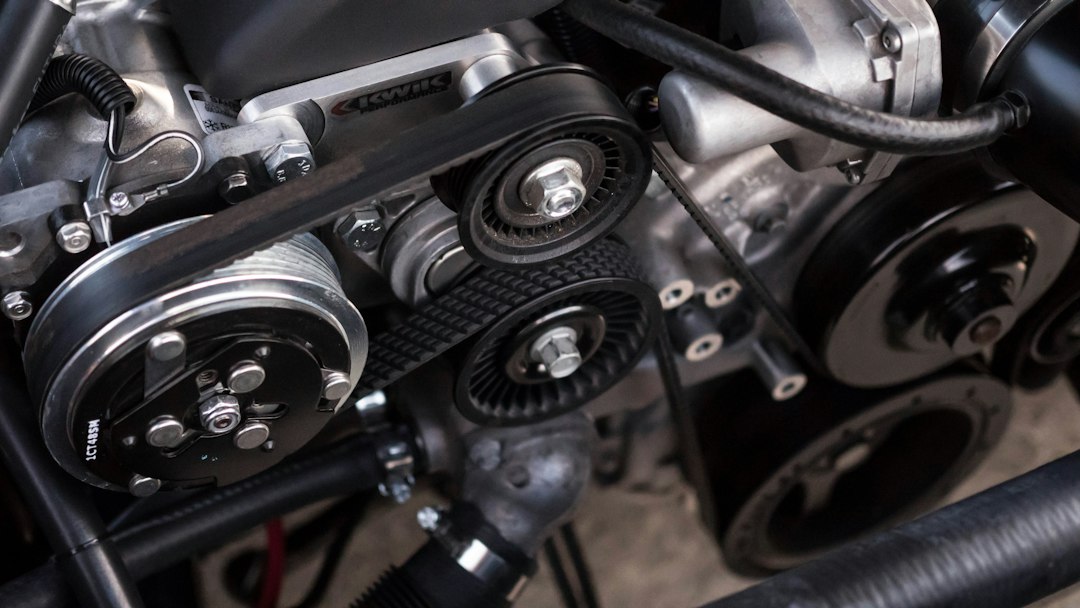
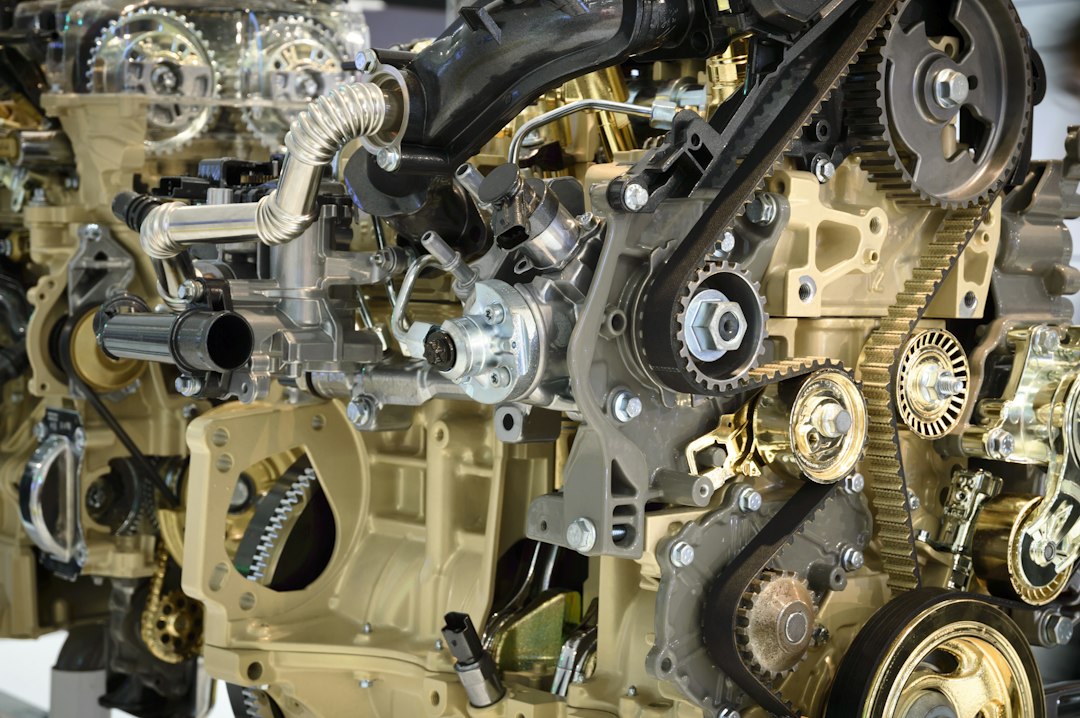
In a four-stroke engine, the timing mechanism coordinates crankshaft and camshaft movement so valves open and close at appropriate points. Some engines use toothed rubber or composite belts, while others use metal chains and associated tensioners and guides. The design affects noise, lubrication needs, service procedures and what can happen if timing control is lost.
The timing system is different from the external accessory drive belt that runs an alternator, compressor or other accessories. A seller’s receipt for a ‘new belt’ may refer only to an accessory belt. Ask the service provider or check the invoice part numbers before assuming the essential timing belt was replaced.
Determine belt or chain from the exact engine code
A make and model can use different timing systems across model years, engines or markets. Do not trust an online generalization that every version of a particular sedan has a timing chain. Decode the VIN and consult manufacturer parts and service documentation for the engine fitted to the actual vehicle. An owner manual or dealer parts department can often clarify the service interval.
A vehicle with a replacement engine may no longer match the specification inferred from its original build record. If an engine was swapped, request documentation of the installed unit and related service work. This detail matters for selecting correct components, determining intervals and obtaining a valid replacement estimate.
Belt service intervals are manufacturer-specific
Many timing-belt engines specify replacement based on elapsed time, mileage or both, but there is no single interval that applies universally. Some service procedures include tensioners, idlers or related parts; certain engines make water-pump replacement practical when it shares the labor access. Do not assume every timing-belt service necessarily includes the same components.
Look for a dated invoice with mileage, engine identification, parts used and labor performed. If the seller says the belt was changed years ago, compare the date and mileage against the schedule to determine when it is due again. A sticker alone can be incomplete or misplaced; a detailed invoice is stronger evidence.
Chains also have tensioners, guides and lubrication dependencies
A metal chain commonly operates inside the engine and depends on a properly functioning tensioning and lubrication system. Chain wear, guide failure or tensioner problems can still occur in certain engine designs, especially with neglected oil changes or model-specific defects. ‘Timing chain for life’ should be read as a model-specific design expectation rather than a promise of zero failures.
Ask for oil-service records and research credible technical communications for the exact engine generation. Symptoms such as unusual rattling or fault codes may warrant professional evaluation, but sound alone cannot distinguish a chain fault from other components. A mechanic should diagnose rather than authorize expensive work based solely on a generic internet video.
Interference vs non-interference engines
Some engines are designed such that incorrect valve timing or loss of timing drive can allow pistons and valves to collide, potentially causing severe internal damage. Other designs may avoid some of those collisions under particular failure conditions. This distinction is engine-specific and should be verified from reliable technical information.
Do not assume a non-interference label makes a broken belt harmless: a stalled engine can create immediate driving hazards and repairs may still be expensive. The relevant question is whether scheduled maintenance and present condition are appropriate, not whether a buyer can gamble on the least costly failure scenario.
Inspect documents and symptoms without risky do-it-yourself work
Ask a qualified technician to verify visible service evidence, identify leaks or abnormal noises and recommend further testing when appropriate. A pre-purchase inspection usually cannot directly assess the interior condition of a covered timing belt or chain without extra labor. Ask what can and cannot be verified without disassembly.
Never remove engine timing covers or operate near moving belts in a seller’s vehicle without authorization and appropriate training. A car that drives normally for ten minutes may still be overdue for an essential timing-belt replacement. Weigh incomplete records and maintenance risk during negotiation.
Get a realistic quote and include the full job scope
Request a written local estimate for the actual engine if the timing belt is due or if a related fault is diagnosed. A quoted service price should identify included components, coolant or oil where applicable, programming or calibration where relevant, shop warranty and taxes. Engine packaging can make labor a larger cost factor than the parts themselves.
Compare repair urgency with the asking price, other planned services and the vehicle’s intended lifetime. An inexpensive high-mileage car requiring a major scheduled service immediately may be less economical than a somewhat more expensive example with documented recent timing work. Use our ownership cost guide to track the difference.
The buyer’s five-step timing checklist
Confirm exact engine and timing design; consult the factory schedule; check invoices and mileage; obtain independent inspection; and request a real service quote if necessary. Treat seller reassurance as a starting point for verification. If a serious timing-system fault is suspected, do not assume the vehicle is safe or economical to buy until diagnosed.
For a complete history check, read our service record guide and the full pre-purchase checklist. A maintenance receipt is valuable when you know exactly which component it covers.
Buyer decision comparison
| Question | Timing belt | Timing chain |
|---|---|---|
| Material | Reinforced composite/rubber construction | Metal chain |
| Typical maintenance approach | Follow engine-specific time/mileage replacement guidance | Often no fixed interval; monitor engine-specific problems |
| Service evidence | Date, mileage and part-level invoice | Oil and repair history; diagnosis if symptoms |
| Failure consequence | Depends on engine design | Depends on engine design |
Use the table with verified VIN, documents, competent inspections and actual transaction costs rather than hypothetical guarantees.
Optional shopping resource: Automotive inspection tools are optional aids; the timing system itself needs model-specific professional service. Car Focus may earn an affiliate commission from qualifying purchases.

Frequently asked questions
Is a timing chain always better?
No. Design, lubrication, history and model-specific failure modes matter more than a universal label.
Is the serpentine belt the timing belt?
No. Accessory drive belts serve different components; inspect invoice details.
Should every timing chain be replaced at 100,000 miles?
No universal replacement interval exists. Follow the exact manufacturer’s guidance and qualified diagnosis.
Primary sources and editorial notes
- FTC — Used Car Pre-Purchase Inspections
- NHTSA — Manufacturer Recalls and Communications
- Car Care Council — Car Maintenance Basics
Individual vehicle condition, location, model-year changes and contractual rules can change the appropriate decision. Consult the primary source for your situation.