

Quick answer: Buying a used car across state lines can make a rare trim or competitively priced vehicle available, but the paperwork and delivery risks grow with distance. Your destination state’s rules determine many registration, tax, emissions and title steps, while the selling state may have different temporary permit and dealer practices. Before paying, verify the actual car and seller, obtain a remote inspection, confirm the title and lien process, and calculate the true delivered-and-registered cost.
Editorial method: This Car Focus guide combines authoritative consumer resources with practical decision frameworks and does not claim first-hand testing of a vehicle. Rules and repair costs must be verified for your jurisdiction and the exact vehicle.
Begin with the destination state’s DMV, not the seller’s assumptions
Find your state motor vehicle department’s current instructions for registering a vehicle purchased from another state. Ask about title transfer, VIN verification, inspections, emissions requirements, registration time limits, taxes and the documents an out-of-state dealer must provide. These rules can differ by vehicle age, fuel type and county.
A seller may give accurate advice about its home state that does not apply where you will register the car. Verify the specific vehicle and your residence jurisdiction before paying a nonrefundable deposit. Some states have restrictions for certain emissions configurations or title brands; understanding those before shipping prevents an expensive administrative surprise.
Check title, VIN and existing liens before travel
Request the full VIN, current mileage, legal seller identity and title status. Compare the VIN against the actual vehicle through a third-party inspector or physical visit, and research title branding through an authorized NMVTIS report. Confirm whether a lender holds the existing title electronically or on paper and how the lien will be satisfied.
A distant seller who cannot explain when and how it will transfer a valid title deserves further scrutiny. Confirm whether the car has a rebuilt, salvage or flood title, because your home state may impose additional inspections or registration restrictions. Do not rely solely on a photo of the title or a clean-looking commercial history report.
Arrange independent local inspection before committing
Travel distance does not remove the need for inspection. Ask a qualified mechanic or mobile inspector in the seller’s area to see the exact VIN and evaluate tires, brakes, suspension, powertrain, underbody, diagnostic warning lamps and evidence of prior damage. Have the inspector provide photographs, a written report and repair estimates.
The FTC recommends independent inspections even for dealer-certified cars, and recognizes mobile inspections when a vehicle cannot leave the lot. If the seller refuses all reasonable evaluation and insists on advance payment, look elsewhere. Inspection costs are real, but typically more controllable than buying an unverified vehicle sight unseen.
Calculate tax and dealer fees using your legal circumstances
Ask for a written out-the-door quote showing selling price, document fees, optional add-ons, local taxes, title and registration charges, delivery and any dealer preparation or processing fees. Confirm whether the selling dealer will collect taxes for your state or whether you pay when registering. Credits for taxes paid in another state can be governed by specific rules, so avoid assuming a universal offset.
If the car is financed, verify the lender’s title and lien-recording instructions in your destination state. The cheapest advertised listing may lose its advantage after travel, inspection, shipping, repairs and registration. Our out-the-door price guide helps make offers comparable.
Emissions and inspection compliance can decide whether the deal works
Your home state may require emissions or safety inspection before permanent plates are issued. Check whether the exact model year, vehicle configuration and fuel type qualify for exemption or must undergo testing. A seller’s recent emissions test elsewhere does not automatically satisfy your jurisdiction’s program.
If the check-engine light is on or OBD readiness monitors are incomplete, talk to a local licensed inspection station about legal requirements before buying. An older or modified vehicle that cannot pass your county’s requirements could become a major expense. Read the OBD readiness guide for the technical distinction between diagnostic codes and inspection readiness.
Understand who arranges and insures transportation
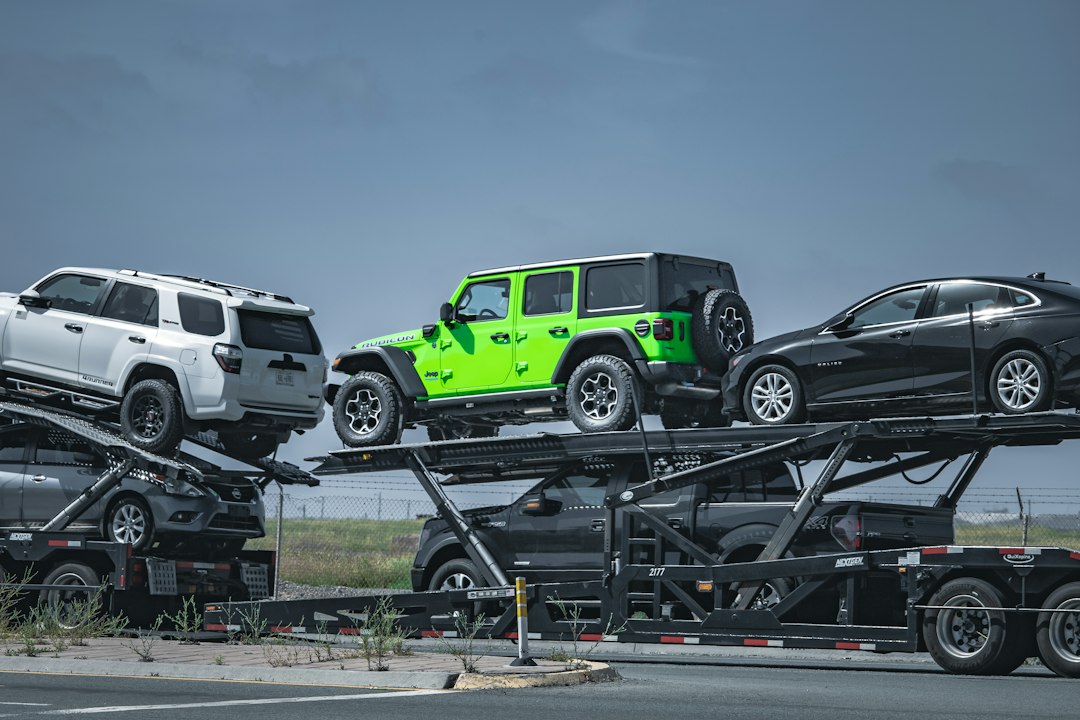
Get a written delivery agreement showing whether the party is a carrier or broker, the estimated pickup and arrival window, the pickup location, insurance handling and damage-claim procedures. Ask when responsibility for damage transfers between seller, carrier and buyer under the sales contract. Vehicle shipping quotes can exclude extra charges for inoperable cars or unusual pickup situations.
Photograph condition at pickup and delivery when possible and compare the transport bill of lading with the car on arrival. Note missing accessories, keys, wheels or visible damage according to the carrier’s process before accepting without reservation. Shipping coverage is not the same as your personal automobile insurance policy; confirm both if needed.
Traveling to drive the vehicle home has its own checklist
If you plan to fly or drive to pick up the car, confirm permitted temporary registration, proof of insurance, title paperwork and license-plate rules. Ask whether the seller can provide valid transit documentation that will also be recognized along your return route. Never assume a license plate borrowed from another vehicle is lawful.
Before a long interstate drive, inspect tires, fluid leaks, brake condition, cooling function and any outstanding safety recalls. A recently purchased car that fails on the way home can erase apparent savings quickly. If uncertain about roadworthiness, professional transport may be preferable despite added cost.
Final cross-state purchase file
Keep VIN and title history, inspection report, dealer Buyers Guide if applicable, complete contract, loan disclosures, shipping agreement, proof of payment, insurer confirmation and destination DMV instructions. Calculate cash due today and amounts due later at your home state’s registration office. Verify the seller independently to guard against cloned websites.
The FTC warned in September 2026 about fake websites impersonating legitimate dealerships, making independent seller verification especially important. Read our online buying fraud checklist before sending funds to a distant seller. A legally transferable, properly inspected car at a verified all-in price is worth more than a low listing that cannot be registered.
Decision and cost checklist
| Step | Verify with | Evidence to save |
|---|---|---|
| Title and lien | Selling dealer, title office and lender | VIN and title paperwork |
| Emissions / registration | Destination state DMV or agency | Current requirements |
| Vehicle condition | Independent local mechanic | Written report and photos |
| Shipping | Transport provider and seller | Bill of lading, terms |
| Final price | Dealer and home state | Itemized total and taxes |
Use actual documentation and qualified assessment for the specific car rather than assuming a symptom proves a repair need.
Frequently asked questions
Do I pay sales tax in both states?
Rules vary. Ask the destination tax and motor vehicle agencies how interstate purchases and tax credits are handled.
Can I register any car purchased in another state?
Not always. Title branding, emissions compliance and local requirements must be verified.
Should I skip inspection because the car is far away?
No. Hire a credible local independent inspector or reconsider the transaction.