

Quick answer: A delivery app’s earnings screen shows gross activity, not what you actually keep after operating your vehicle. A car that earns $120 during a shift might have fuel, tire wear, depreciation, insurance and unpaid driving that turn the economics upside down. To choose a used car for delivery or evaluate a current one, calculate your own cost per mile and net hourly return using recorded odometer readings and actual expenses, then compare the workload with your financial goals.
Editorial method: Car Focus uses cited public sources and a buyer-first analysis framework. No particular vehicle was personally tested, and figures are illustrations rather than price or reliability guarantees.
Count every business mile, including repositioning
Record the odometer at the start and end of a work shift rather than using only paid delivery distance. Miles spent driving to a busy area, circling for orders or returning home may be economically real vehicle use even when the platform does not pay separately. For tax purposes, business versus commuting treatment follows distinct rules and should be reviewed with qualified guidance.
Use a simple mileage log with date, starting and ending readings, hours worked, gross payout and any tolls. The exact deductible-mile rules and standard mileage rates can change each tax year. Avoid treating the IRS deduction amount as the same thing as your actual vehicle cost.
Separate gross payout from true take-home earnings
Gross receipts may include base pay, promotions and tips. Subtract business vehicle costs, relevant tolls, parking and any platform-specific fees, then distinguish income taxes from vehicle expense. An hourly gross number is not the same as net after all costs. Keep a separate business spreadsheet rather than mixing personal groceries or unrelated spending.
If your vehicle is used personally and commercially, allocate expenses reasonably based on real use and your chosen accounting method. A qualified tax professional can help with tax treatment. The goal of this guide is operating cash flow and economic cost, not individualized tax advice.
Fuel or energy expense is only the most visible cost
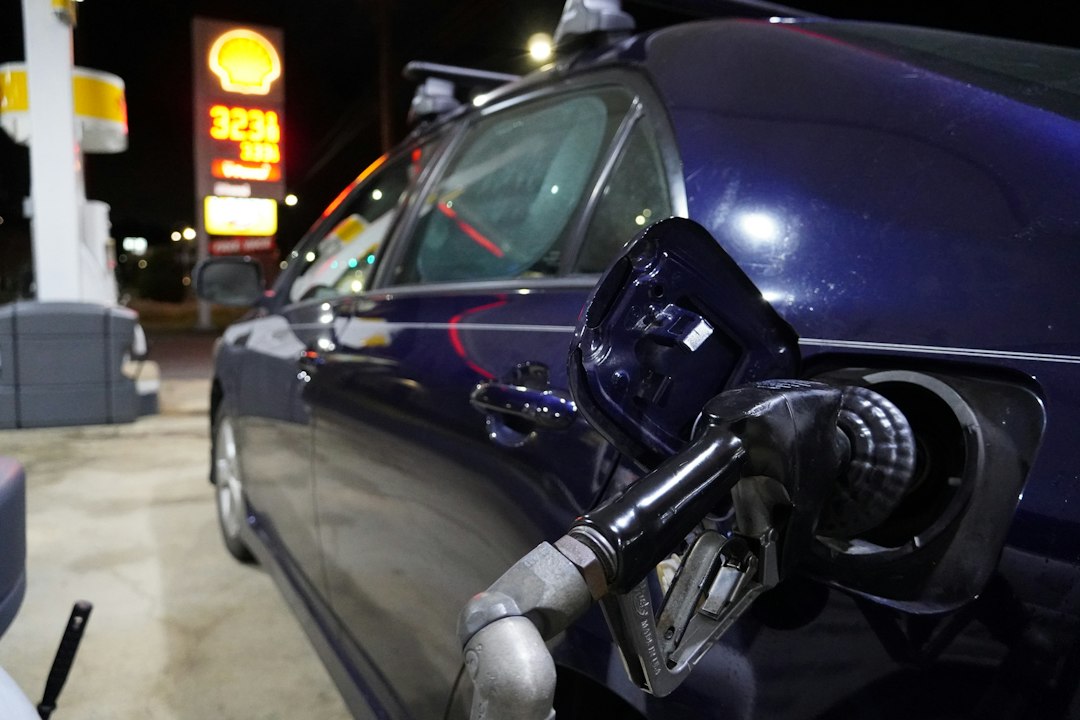
For a car averaging 30 mpg at $3.60 per gallon, fuel costs about $0.12 per driven mile. An EV consuming 0.30 kWh per mile at $0.18 per kWh uses about $0.054 of driving energy before charging losses. These are illustrative inputs, not today’s local prices. Actual city traffic, cold weather, idling and charging location alter the results.
Do not assume the most fuel-efficient vehicle has the lowest total expense. Insurance, tire sizes, repair availability and downtime may outweigh a small fuel advantage. Use the exact car and realistic weekly mileage when comparing options.
Tires and scheduled maintenance need per-mile reserves
Calculate expected tire expense as tire-set cost divided by anticipated life in miles, then add rotations, alignments and other services. For example, an $800 installed tire set lasting 40,000 miles implies roughly $0.02 per mile before other maintenance. This is only a scenario; tire size, driving style and alignment change actual results.
Use historical invoices for oil changes where applicable, brakes, fluids, suspension and routine consumables. Spread those costs across the miles actually driven during the same period. Set a separate reserve for unexpected repairs rather than disguising every possible failure as a predictable maintenance expense.
Depreciation and financing are distinct expenses
A work car can lose resale value rapidly through additional mileage. Estimate the difference between what it could sell for today and a plausible value at the end of your holding period, divided by expected miles. A financed vehicle’s principal payment is not itself the economic cost of using the car; interest is a financing expense and principal reduces the loan balance.
For cash-flow budgeting you still must make the entire loan payment when due. Keep the cash flow view separate from depreciation-based economic cost to avoid double-counting purchase price, principal and value loss. Our depreciation guide explains this distinction.
Insurance and commercial-use eligibility may determine viability
Standard personal insurance may exclude or restrict some delivery activities. Confirm with your insurer whether delivery or business-use coverage is needed and what the platform may provide during different work stages. Do not misstate use to reduce a premium. Insurance eligibility can be more important than choosing between two similarly efficient used sedans.
Include appropriate coverage premium attributable to delivery, deductibles and emergency reserves in your planning. Vehicle registration and local licensing obligations should also be considered. A cheap vehicle that cannot be properly insured for the work is not a viable profit machine.
Calculate per-mile and per-hour operating results
Suppose a shift produces $150 gross over six hours and 100 actual driven miles. Estimated vehicle operating costs are $0.28 per mile, or $28 total, before taxes and other business expenses. That leaves $122 before taxes and nonvehicle costs, or about $20.33 per hour. Change the mile count or operating estimate and the economics change accordingly.
This example is not a prediction of platform earnings or guaranteed driver profit. Track actual receipts and costs for multiple weeks, including slower shifts. If your total costs are larger than expected, test different shifts or a more suitable vehicle rather than simply accepting longer hours.
Choosing a used delivery car
Prioritize reliability evidence, easy parts sourcing, fuel or energy efficiency, affordable tires, comfortable seats, cargo access and downtime risk. Inspect the exact vehicle and understand whether its mileage and age make major service due soon. A low selling price alone does not make it economical for high-mileage work.
Review our high-mileage vehicle traits guide and the cost planning framework. Measure results monthly, because costs and work patterns can change.
Buyer decision table
| Input | Example | Use |
|---|---|---|
| Shift gross | $150 | Revenue before cost |
| Total driven miles | 100 | Include unpaid travel |
| Vehicle cost per mile | $0.28 | Illustrative all-in estimate |
| Hours worked | 6 | Calculate hourly outcome |
| Vehicle cost this shift | $28 | Miles × cost/mile |
| Before-tax after vehicle | $122 | Gross minus vehicle cost |
Optional automotive tools: Vehicle organizers and simple driving accessories can support a delivery workflow, but do not replace safe driving or accurate expense tracking. Car Focus may earn a commission from qualifying purchases.

Frequently asked questions
Should I count unpaid repositioning miles?
Yes for true operating economics; determine tax mileage treatment separately.
Is the IRS standard mileage rate my actual cost per mile?
No. It is a tax calculation convention, not your individually measured economic cost.
Can a high-MPG car still be unprofitable for delivery?
Yes. Repair, depreciation, insurance and downtime can outweigh fuel savings.