Quick answer: A conventional hybrid, a plug-in hybrid (PHEV) and a battery-electric vehicle (BEV) can all lower gasoline use, but their economics depend on where and how you drive. A regular hybrid needs no plug; a PHEV combines a chargeable battery with an engine; a BEV relies on electricity alone. Their purchase prices, maintenance systems, charging requirements, insurance and battery warranties differ. Compare the exact models on FuelEconomy.gov and evaluate charging access and total ownership costs before choosing a powertrain category.
Editorial method: Car Focus uses cited public sources and a buyer-first analysis framework. No particular vehicle was personally tested, and figures are illustrations rather than price or reliability guarantees.
Define the three technologies clearly
A conventional hybrid uses an engine and electric propulsion assistance, generally charging its traction battery during driving and regenerative braking. A plug-in hybrid has a larger battery that can recharge from an external source and may handle shorter trips on electricity before operating like a hybrid. A BEV runs on battery energy without a gasoline engine.
The labels do not guarantee identical capability. PHEV electric-only range, charging rate and engine behavior vary significantly by design. A BEV’s highway range also changes with temperature, speed, tire selection and terrain. Check official data for the specific model year and trim.
Charging access can decide whether PHEV or EV makes sense
A regular hybrid is often straightforward for drivers without access to home or work charging. A PHEV can provide substantial fuel savings if its usable electric range covers frequent trips and the owner actually plugs in. Without charging, it may carry battery weight and complexity without much electric-driving benefit.
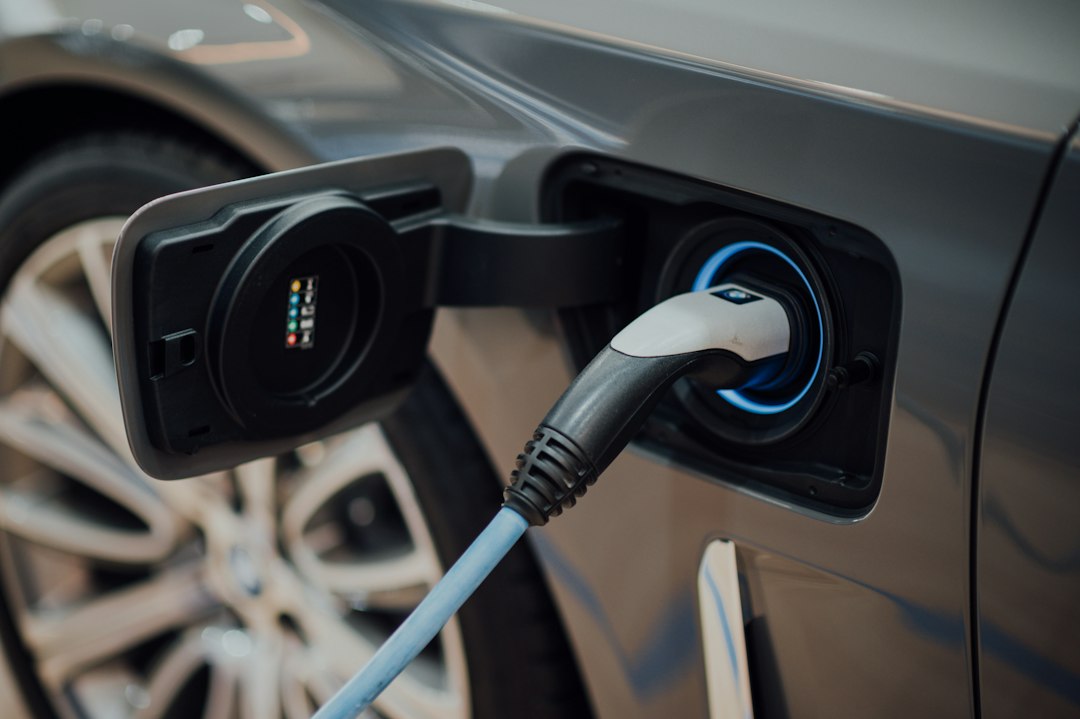
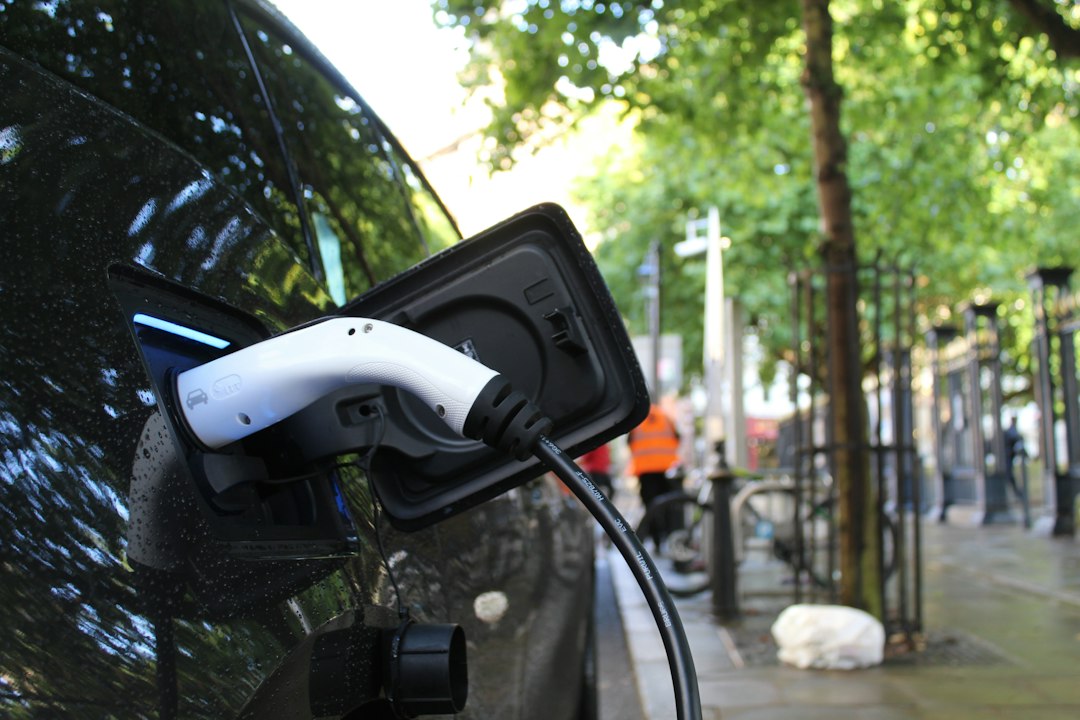
A BEV may work exceptionally well for drivers who can charge affordably at home, but those relying entirely on public fast charging should research local availability, compatibility and prices. Review the Level 1 versus Level 2 home charging guide before buying.
Compare costs using your actual driving pattern
Suppose a driver travels 12,000 miles yearly. A gasoline car averaging 30 mpg consumes 400 gallons, costing $1,400 at an illustrative $3.50 per gallon. An electric vehicle using 0.30 kWh per mile consumes about 3,600 kWh for driving, costing $576 at $0.16 per kWh before charging losses. These are scenarios, not actual current fuel or utility rates.
For PHEVs, split expected miles between electric and gasoline operation. A driver charging nightly may obtain a different cost profile from one who plugs in twice monthly. Use EPA vehicle-specific data to avoid assuming a universal miles-per-gallon-equivalent value translates directly to household bills.
Maintenance systems differ, but none is maintenance-free
A regular hybrid and PHEV still have combustion engines and related fluids, filters, exhaust and cooling components. BEVs avoid some gasoline-specific services, but tires, brakes, suspension, HVAC, electronics and battery thermal systems still require attention. Regenerative braking may reduce friction-brake use without eliminating brake corrosion or service.
A PHEV can combine mechanical and electrical systems in one platform, making some repairs specialized. Conversely a BEV can have significant repair costs for drivetrain and thermal components. Request the official maintenance schedule and obtain VIN-specific inspection, rather than treating ‘electric’ as an automatic low-cost badge.
Used battery condition and warranty deserve equal scrutiny
Battery age, charging history, thermal management and manufacturer design affect used EV and hybrid battery risk. Many automakers provide defined battery warranties with mileage and time limits, but coverage differs. Ask for actual battery health information where available, service records and warranty status tied to VIN.
A PHEV battery replacement estimate should not be inferred from a BEV pack cost, nor from a conventional hybrid. Our hybrid battery inspection guide and used EV buyer checklist outline technology-specific checks.
Insurance, depreciation and charging infrastructure add real costs
Obtain insurance quotes for the exact VIN and coverage. Some vehicles have costly replacement components, sophisticated sensors or longer repair times. Used prices can also change with incentives, inventory, redesigned models and shifting demand. Home charger installation can be a one-time cost that matters in a short ownership period.
Compare delivered vehicle price, sales tax, any charging equipment, maintenance, expected energy cost and a conservative resale range. Do not assume tax credits apply; vehicle, seller, buyer and tax-year rules must be verified against current IRS guidance when the transaction occurs.
Match powertrain to your lifestyle rather than ideology
For short predictable commutes with home charging, a BEV or PHEV may reduce running energy expense. A hybrid may suit apartment residents or drivers with unpredictable trips and no dependable charging. Frequent interstate travelers should check charging time, route reliability and true highway efficiency rather than total advertised range alone.
A gig driver should add uptime, high-mileage warranty limitations and public charging downtime to the equation. Choosing the car with the best rated EPA efficiency may still result in a poor economic decision if its insurance or purchase price is much higher.
Make a three-vehicle total-cost worksheet
Select one comparable hybrid, PHEV and BEV, then record local purchase price, estimated annual miles, electric fraction, home electricity price, fuel grade, insurance, repairs, battery coverage and likely resale. Use an identical ownership horizon. Consider a worst-case repair reserve separately, rather than falsely predicting failures.
Our ownership-cost decision framework can organize the figures. The best powertrain is whichever delivers verified transportation needs at an acceptable expected cost and risk.
Buyer decision table
| Feature | Hybrid | PHEV | BEV |
|---|---|---|---|
| External charging | No | Yes for electric travel | Yes required |
| Gasoline engine | Yes | Yes | No |
| Electric-only driving | Usually limited | Model-specific range | All propulsion |
| Maintenance | Engine + electrified system | Both systems | No engine oil system |
| Best fit | No charging access | Short trips plus charging | Reliable charging access |
Frequently asked questions
Does a PHEV save fuel if I never plug it in?
It may still operate as a hybrid, but the main plug-in benefit requires charging; results vary by model.
Is an EV always cheaper to own?
No. Energy savings must be weighed against price, insurance, charging and maintenance.
Do used hybrids and EVs have identical battery warranties?
No. Confirm the exact manufacturer terms and VIN eligibility.