
Quick answer: The traction battery in a used hybrid can be expensive to replace, but its age or the odometer alone does not tell you its remaining health. Hybrids use different battery chemistries, cooling arrangements, control systems and warranties. Some deliver long service with routine maintenance; others may show imbalanced battery modules, warning lamps or reduced electric assistance. Before buying, identify the exact powertrain, request credible service history and have a qualified hybrid technician evaluate battery data and the overall vehicle.
Editorial method: Car Focus uses cited public sources and a buyer-first analysis framework. No particular vehicle was personally tested, and figures are illustrations rather than price or reliability guarantees.
Distinguish traction batteries from the 12-volt battery
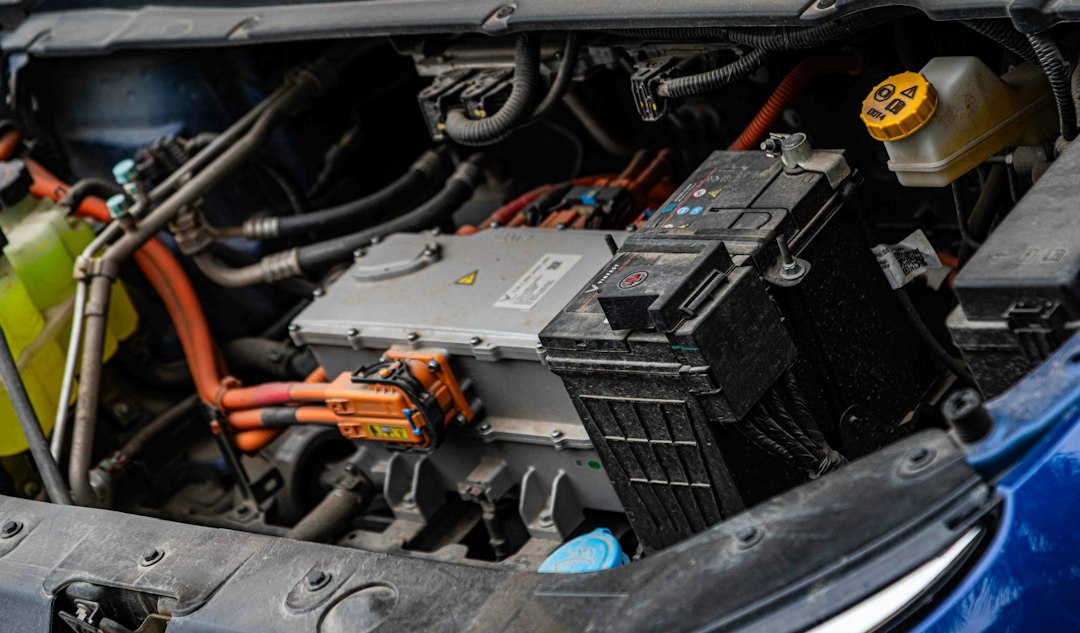
A hybrid often has a high-voltage traction battery for propulsion assistance plus a separate low-voltage battery for starting electronic systems and operating accessories. Trouble with the 12-volt battery can produce confusing warning behavior without proving the traction pack has failed. Conversely, replacing a weak 12-volt battery cannot cure an actual high-voltage battery fault.
Ask the technician to state which system was tested, which diagnostic trouble codes were stored and which evidence supports the diagnosis. Never attempt to access high-voltage connectors, orange cables or battery modules. Training and model-specific safety equipment are required.
Know what battery age and mileage can and cannot prove
Calendar age, heat exposure, charging/discharging patterns and mileage can influence battery condition, but battery aging varies. There is no universal mile marker at which every hybrid pack fails. A ten-year-old example with stable documented performance may be a sounder choice than a younger neglected vehicle with active battery faults.
Compare the precise model, chemistry and generation. Research recurring problems through manufacturer service information and owner experiences as investigative leads, not statistically representative failure rates. Prefer VIN-specific evidence to claims that ‘this brand’s battery always lasts 200,000 miles.’
Review warning lamps and driving behavior
A hybrid-system or battery warning deserves a qualified scan, even if the car still drives. Some cars use a gasoline engine more often when battery capacity or thermal performance changes, while others may have unrelated efficiency problems. A short test drive cannot reliably establish battery state of health or prove the pack is safe.
Ask for diagnostic reports showing relevant stored codes, state-of-charge consistency and module-related information that the vehicle makes available. Interpretation requires familiarity with the manufacturer’s systems; a generic inexpensive scanner may not access traction-battery data.

Check battery cooling and service history
Some hybrids cool traction batteries with cabin air through accessible vents or dedicated fans; others have different thermal systems. Blocked airflow, debris and previous overheating may matter. Ask whether cooling-system maintenance or manufacturer service campaigns apply and whether repairs were performed under approved procedures.
Do not remove high-voltage covers or dismantle cooling equipment at a seller’s property. A specialist can review airflow, temperature behavior and service bulletins. In a car used for ride-hailing, inspect rear-seat or cargo-area vents for obstruction based on manufacturer instructions.
Verify warranty eligibility by VIN
Hybrid battery warranties can differ by manufacturer, model year, emissions certification, state and first retail sale date. Some vehicles have longer coverage in certain emissions-regulated states, but conditions and eligibility must be verified. Obtain the original in-service date, current miles and any battery replacement history.
Ask the manufacturer or authorized dealer whether warranty coverage is active, transferable and applicable to the observed issue. A used-car dealer’s ‘lifetime hybrid battery warranty’ may be a third-party contract with limitations rather than the manufacturer’s original warranty.
Budget with real replacement scenarios
A hybrid pack may be repaired, refurbished or replaced, depending on design and provider. These options can have very different expected durability, labor and warranty terms. An inexpensive advertised battery price may omit installation, programming, taxes, disposal or diagnostic fees. Request a written local quote for the exact car and a description of the replacement’s quality.
Keep separate estimates for a factory-new battery, a warranted remanufactured unit and any legitimate specialist repair if offered. Avoid extrapolating a low price for one common model to a newer or unusual pack. Compare that exposure with the vehicle’s asking price and remaining service life.
Combine battery results with ordinary vehicle inspection
A hybrid also has tires, brakes, suspension, cooling and gasoline-engine components, all of which can be neglected. Regenerative braking does not guarantee zero friction-brake wear. Verify the VIN, accident history, recall status and drivetrain condition along with high-voltage-system evaluation.
Our hybrid versus gasoline ownership guide frames fuel savings alongside potential repair risk. The pre-purchase inspection checklist covers the rest of the car.
When to buy and when to walk away
A used hybrid with documented maintenance, no unresolved fault codes, a favorable independent inspection and an acceptable remaining warranty can be a reasonable purchase. A battery with active unexplained faults, a seller refusing specialist evaluation, or an unrealistic warranty claim deserves caution.
The strongest decision combines observed battery performance, professional measurements where supported, written repair coverage and the full transaction price. ‘Hybrid batteries are always expensive’ and ‘hybrid batteries never fail’ are both poor buying shortcuts.
Buyer decision table
| Evidence | What it helps verify | Limit |
|---|---|---|
| Hybrid scan report | Current faults and available battery data | Requires qualified interpretation |
| Cooling-system check | Airflow and temperature issues | Model specific |
| Service invoices | Prior replacements and repairs | Not proof of future life |
| Warranty response | Remaining eligible coverage | VIN and policy specific |
| Replacement quote | Cost exposure if failed | Not a prediction of failure |
Frequently asked questions
Can I test hybrid battery health with a basic OBD reader?
Some apps access limited data, but professional model-specific diagnostic interpretation is more reliable.
Does high mileage automatically mean a bad hybrid battery?
No. Condition varies by model, age, usage and maintenance.
Should I handle orange high-voltage cables myself?
No. High-voltage components require qualified training and equipment.