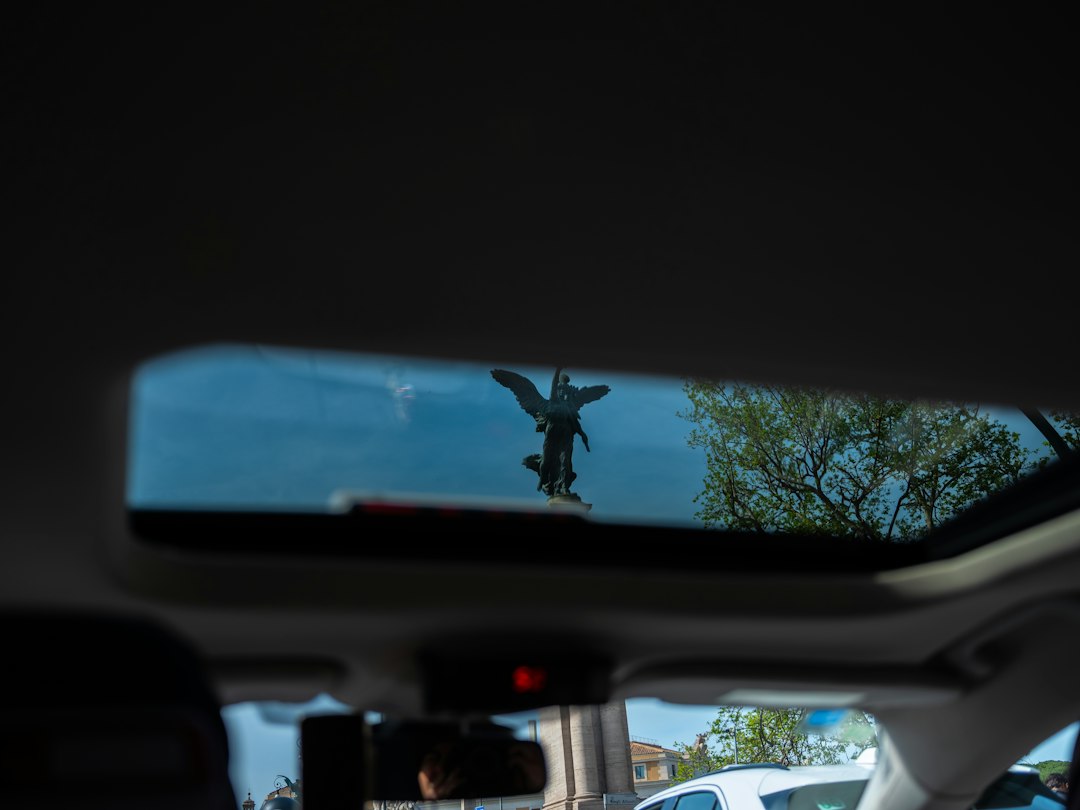
Quick answer: A wet carpet or musty smell in a used car is not always evidence of flood loss. It could come from a leaking sunroof drain, failed windshield seal, trunk weatherstripping, blocked A/C condensate drain or an improperly repaired collision. But persistent moisture can damage wiring, corrosion-sensitive modules, insulation and interior materials. Before you buy, identify the water source, verify the affected areas have dried properly, and look for credible repair records rather than masking the smell with air freshener.
Editorial method: Car Focus uses cited public sources and a buyer-first analysis framework. No particular vehicle was personally tested, and figures are illustrations rather than price or reliability guarantees.
Distinguish an ordinary leak from previous flood damage
A localized drip during heavy rain can result from an isolated seal or clogged drainage channel. Floodwater exposure may involve much broader contamination, wiring damage and title or insurance history. Neither diagnosis should be made from odor alone. Inspect lower carpet areas, trunk well, spare tire compartment and accessible upholstery for moisture or staining.
Use our flood-damage guide as a companion rather than assuming every leaky sunroof implies a flood title. Vehicle history reports may miss events, so physical evidence and expert assessment remain essential.
Sunroof drains and roof channels deserve attention
Many sunroofs use drainage paths to direct water away from the cabin. Blockages, disconnected tubing, deteriorated seals or previous body repair can allow water to enter pillars and headliner areas. Moisture stains near roof trim or footwells can indicate where water travels, but the entry point may be far from the wet surface.
Ask a qualified shop to inspect and test the drainage system using manufacturer-approved procedures. Do not blow high-pressure compressed air through an unknown drain tube, because it can disconnect hoses or cause damage on some designs. A sunroof panel closing fully does not guarantee its drainage works.
Windshield, door and trunk seals can leak after repairs
A poorly bonded replacement windshield, torn door weatherstrip, misaligned hatch or damaged tail-lamp gasket can permit water entry. Look for staining around A-pillars, door sills, trunk liners and spare-wheel wells. Check that doors close properly and that panels and seams are not visibly deformed by earlier collision repairs.
If the vehicle was repaired after an accident, ask for body-shop invoices and water-leak testing results. A technician may use controlled water testing to trace the actual cause. Avoid aggressive water spraying without the seller’s consent, especially near existing electrical faults.
A/C condensation can cause cabin moisture
Vehicle air-conditioning systems normally produce condensation that drains outside. A blocked or disconnected evaporator drain can allow water to collect inside the cabin. Wet passenger-side carpet after A/C use is a clue, but not a definitive diagnosis. Cabin mold odor can also come from evaporator or HVAC moisture.
An HVAC technician should assess drainage and whether interior insulation is saturated. Replacing a cabin filter or spraying deodorizer will not reliably solve standing water beneath carpet. Our A/C inspection guide explains related climate-control issues.
Moisture and electrical systems interact
Water can affect floor-mounted wiring, seat connectors, sensors, lighting modules and electronic control units. Intermittent faults may persist after carpeting appears dry. Seat-belt pretensioner and airbag wiring should not be disconnected or probed by an untrained buyer.
Check for unusual warning lamps, malfunctioning windows or locks, and visible corrosion on accessible contacts. A specialist should diagnose affected electronics and verify restraint-system safety. A bargain car with unresolved moisture-related electrical issues can develop expensive, difficult-to-trace faults.
Mold and occupant health need appropriate remediation
A persistent musty smell, visible growth or repeatedly damp upholstery should be treated seriously. A professional remediation evaluation may be needed depending on the extent and source. Simply replacing floor mats does not remove moisture from soaked insulation, and some porous materials may need replacement.
Buyers should not perform destructive testing or use harsh chemicals on a seller’s car. Ask for documentation that the leak was repaired and materials properly dried, cleaned or replaced. Avoid claiming that every odor proves a particular health outcome; what matters for purchase is unresolved dampness and remediation cost.
Repair-cost estimates must include hidden damage
Ask the inspector to trace the entry point and quote both the water-leak fix and necessary interior/electrical remediation. A gasket might be cheap while removing carpet and repairing damaged modules can be labor-intensive. Separate confirmed faults from possible hidden risks and obtain an inspection scope in writing.
A history of water entry can matter for resale even after repair, particularly if electrical reliability cannot be documented. Compare the final price with similar dry, inspected vehicles before accepting a discount based only on exterior appearance.
The dry-car verification checklist
Inspect roof trim, footwells, door seals and the spare tire well; review history and invoices; identify water source; check electronics; and commission specialist water testing where evidence warrants. Verify the reported repair was completed and follow up after rain or A/C operation when practical.
If the seller refuses investigation, widespread moisture remains or electrical safety is uncertain, another vehicle may be less costly to own. A clean title, fresh shampoo and new air freshener are not substitutes for credible water-damage assessment.
Buyer decision table
| Wet location | Possible starting point | Next step |
|---|---|---|
| Roof lining/A-pillar | Sunroof drain or windshield seal | Water-path inspection |
| Front footwell | Door/AC drain/windshield | Trace moisture source |
| Trunk well | Hatch or tail-lamp seals | Inspect gasket and seams |
| Under carpet | Old leak or flood | Assess insulation/wiring |
| Electrical warnings | Module/wiring exposure | Qualified diagnosis |
Optional car-care supplies: Products do not fix hidden water entry or unsafe electrical damage. Diagnose the underlying leak first. Car Focus may earn from qualifying purchases.

Frequently asked questions
Does musty smell always mean a flood-damaged car?
No. Localized leaks and HVAC moisture are also possible; inspect the cause.
Will shampooing the carpet fix a water leak?
No. The intrusion source and damp underlying materials require attention.
Can a water leak create electrical problems?
Yes. Persistent moisture can damage wiring or electronic modules.