Quick answer: Accident history is not a simple yes-or-no measure of a used car. A minor repaired bumper scrape and significant structural damage are very different risks, and neither can be diagnosed from an online history-report flag alone. Your goal is to determine what was damaged, how it was repaired, whether safety components were affected, and whether independent evidence supports the seller’s description.
Car Focus provides consumer research tools and does not claim to have personally tested or certified a specific vehicle. Official laws, procedures and model-specific details should be verified at the source.
Start with the record, but do not end there
Obtain the vehicle’s VIN and compare title history, any commercial vehicle-history report, insurance or collision notes, repair invoices and the seller’s disclosure. Reports may omit privately paid repairs or receive incomplete information. A ‘clean’ report cannot certify that the car has never had bodywork, and an accident entry does not necessarily prove structural damage.
Ask for before-and-after photos where available and the name of the repair shop. A dated invoice describing repaired panels, safety restraint components and calibration work is more useful than a vague ‘it was professionally fixed’ statement. Keep the VIN associated with every document so a repair record cannot be confused with another vehicle.
Check body alignment without making structural diagnoses
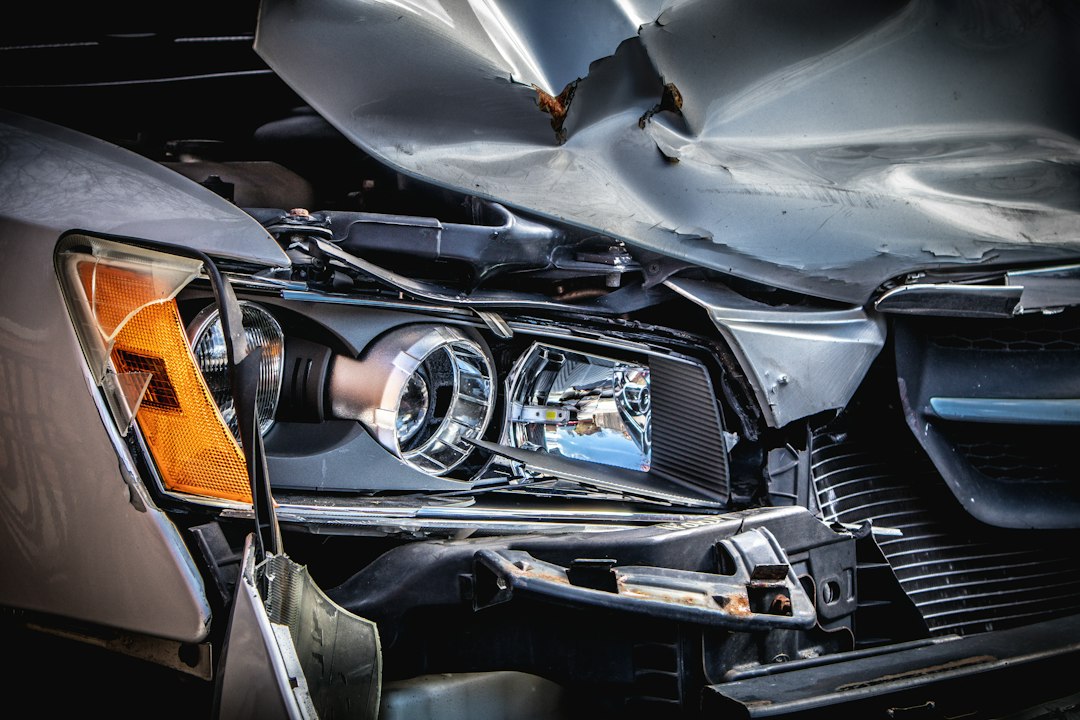
During a daylight walkaround, compare gaps along the hood, front fenders, doors, trunk and bumpers. Look for mismatched paint texture, overspray, missing fasteners, uneven trim or inconsistent weather seals. A single repainted panel can result from cosmetic work or normal wear, and modern manufacturing tolerances vary. The issue is whether visible inconsistencies warrant a specialist’s closer examination.
Never declare a vehicle ‘frame bent’ solely because a body panel gap looks unusual. A qualified collision-repair technician may need specialized measuring equipment to evaluate structural dimensions. Also inspect the underside for damaged shields, unusual welds, mounting points and corrosion where safe. Do not crawl beneath an unsupported vehicle on a driveway or dealership lot.
Understand unibody, frame and energy-management structures
Many passenger cars and crossovers use unibody construction, in which the body structure performs important load-bearing and crash-energy functions. Some trucks use a separate frame. Both can be damaged in collisions, and both can be repaired properly under appropriate procedures, depending on severity and manufacturer instructions. A repair’s quality matters more than whether the vehicle has any history entry.
Safety-critical areas may include pillars, rocker panels, rails, suspension pickup points, subframes and restraint-system attachment locations. Cut-and-replace procedures, approved repair methods and material requirements are often model-specific. A buyer should not attempt to determine repairability from a photograph; ask for documentation and professional evaluation of any suspected structural work.
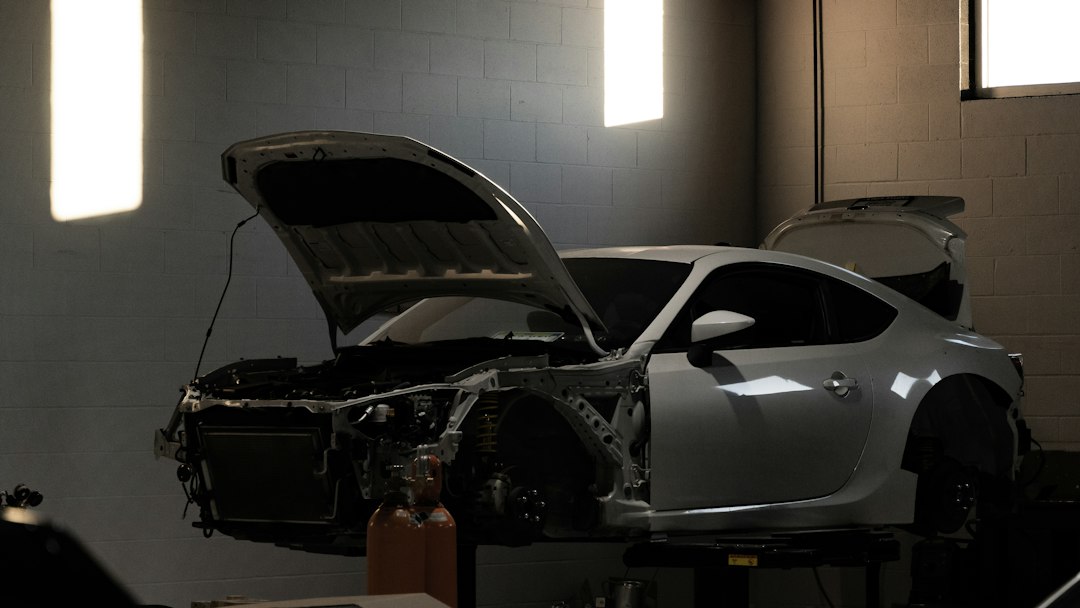
Airbags, seat belts and occupant restraints deserve extra attention
A collision may involve deployed airbags, seat-belt pretensioners, crash sensors or occupant-detection hardware. Replacement, repair and electronic initialization procedures must follow manufacturer guidance. A dashboard warning lamp that is off does not by itself prove every restraint has been properly restored. Ask whether airbags deployed, what parts were replaced and whether repairs were documented.
Treat missing restraints, questionable repairs or a persistent supplemental restraint warning as serious safety concerns. Do not purchase a car based on a seller’s assurance that an airbag light was merely ‘reset.’ An independent technician familiar with the vehicle and collision repairs should assess the evidence. Never probe or disassemble airbag systems yourself.
Driver-assistance sensors can be affected by seemingly small repairs
Modern windshields, bumpers and mirrors may house cameras or radar used for collision warning, adaptive cruise and parking assistance. Body repairs or part replacement can disturb mounting positions and require manufacturer-specific calibration. An aftermarket bumper or windshield is not automatically wrong, but confirm whether the correct procedures were used and whether the equipment functions normally.
Ask for calibration reports after relevant repairs. An apparent headlamp, camera or parking-sensor fault can be more than a cosmetic issue. See our used-car driver-assistance technology guide for the functions and safe verification steps. Do not conduct dangerous road tests to check an emergency-braking system.
Inspect water intrusion and unfinished repairs
Look beneath floor mats and in the trunk for dampness, unusual odors, misrouted seals, missing plugs or visible corrosion. Collision repairs can sometimes affect weather sealing and water drainage; however, moisture has many potential causes, including ordinary leaks and storm exposure. A smell alone is not proof of flood or accident damage.
Also inspect exterior lamps for condensation, panel edges for loose trim and underbody areas for rubbing or unfinished fastening. The vehicle should be examined by an independent mechanic for mechanical condition and, where indicated, a collision specialist for structural repairs. Those are different disciplines and may require separate assessments.
How repaired accident history affects value
Resale value depends on the damage severity, documentation, title branding, buyer perception and local demand. Avoid quoting a fixed ‘accident discount percentage’ as if every vehicle loses the same amount. Compare actual market listings and valuation sources for similarly equipped vehicles, noting condition and reported history. Insurance and financing eligibility may also vary for salvage or rebuilt titles.
A properly repaired cosmetic incident may be compatible with a sound purchase. Extensive or undocumented structural damage, uncertain restraints or serious alignment concerns can justify rejecting the vehicle. Do not negotiate solely on the report icon; negotiate on evidence and credible repair estimates.
Use a collision-repair decision file
Collect four kinds of evidence: the record of the event, photos and invoices of the repair, a present-day professional assessment, and the final price compared with alternatives. Ask the repair professional to identify safety concerns, any further diagnostics and whether the known repair appears consistent with manufacturer procedures. Document unresolved questions rather than forcing a definitive answer.
The FTC advises buyers to use vehicle history alongside an independent mechanical inspection. For deeper due diligence consult Car Focus’s history-versus-inspection guide and the pre-purchase inspection checklist. A small savings is rarely worth accepting unknowable safety risk.
Quick-reference checklist
| Evidence | What it helps establish | What it cannot guarantee |
|---|---|---|
| History report | Recorded collisions or title events | All accidents reported |
| Repair invoices | Specific documented repair work | Perfect workmanship |
| Body inspection | Current visible fit and repair clues | Hidden structural integrity |
| Collision specialist | Professional structural assessment | Every future failure eliminated |
| Safety-system records | Airbag and calibration work | Every system perfect |
Use the table to keep verified documents, repair evidence and questions organized before committing money.
Frequently asked questions
Does one accident mean I should reject a used car?
Not automatically. Evaluate severity, repair documentation and present condition.
Can a clean vehicle-history report prove no accident?
No. Unreported repairs and events can exist.
Can I diagnose frame damage from paint or panel gaps?
No. Structural concerns require qualified inspection and often specialized equipment.
Primary sources and editorial method
The following resources support safety-system definitions, buyer rights and the recommended verification steps. Manufacturer specifications and local laws may vary.