
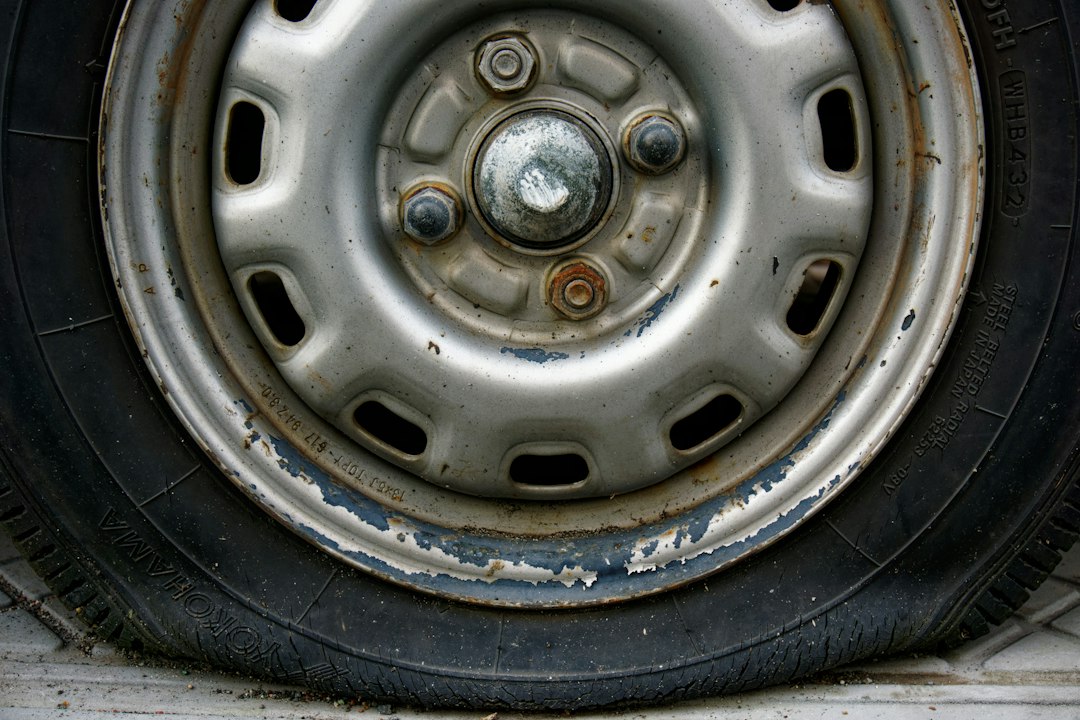
Quick answer: A tire-pressure monitoring system (TPMS) warning on a used car is worth investigating because tire pressure influences handling, braking, tire life and fuel use. The warning may indicate significantly low pressure or a system fault, depending on the light pattern and vehicle. NHTSA explains that a flashing indicator followed by steady illumination can signal a TPMS malfunction. A buyer should check tires with a gauge, follow the vehicle placard, and request competent diagnosis instead of simply resetting the light.
Safety note: Use the car’s exact placard and owner’s manual. This article is guidance, not a substitute for a tire professional’s assessment.
Understand the two major TPMS approaches
Direct TPMS uses pressure sensors installed at wheels or related locations and sends readings to the vehicle. Indirect systems estimate pressure-related differences using wheel-speed or other measurements and may require a calibration routine after tire inflation. Manufacturers vary in how they display actual pressures, learning modes and error conditions.
Verify the model-year owner’s manual and installed wheel equipment before buying replacement sensors. A used car may have aftermarket wheels, tire sets stored separately or a changed TPMS receiver. Different sensor types and frequencies can affect compatibility, so ordering ‘universal sensors’ from a product page without checking the exact vehicle can waste money.
Know the normal low-pressure warning
A steady TPMS icon often indicates one or more tires are significantly underinflated. The recommended cold tire pressure appears on the driver’s door tire-and-loading label or in the vehicle manual—not necessarily the maximum pressure printed on the tire sidewall. NHTSA says cold measurements ideally follow at least three hours without driving.
Do not ignore a clearly low tire because the car still seems to handle normally. Tire pressure can be visually misleading. If a tire is flat, visibly damaged, bulging, or losing air rapidly, stop use safely and arrange appropriate tire service. Inflating a damaged tire is not a safe substitute for professional evaluation.
Understand a flashing-then-steady light
NHTSA describes how a TPMS malfunction may appear as a flashing symbol for roughly 60–90 seconds before it stays illuminated, sometimes repeating at later start-ups. The precise dashboard pattern and warning text vary by model. Consult the manual rather than assuming the same sequence for every car.
A malfunction can stem from aging sensor batteries, sensor damage, missing or incompatible sensors, incorrect programming or vehicle electronics. Do not assume the seller’s explanation that ‘the tire shop forgot to reset it’ identifies the cause. Ask a competent shop to scan, verify and document the system when appropriate.
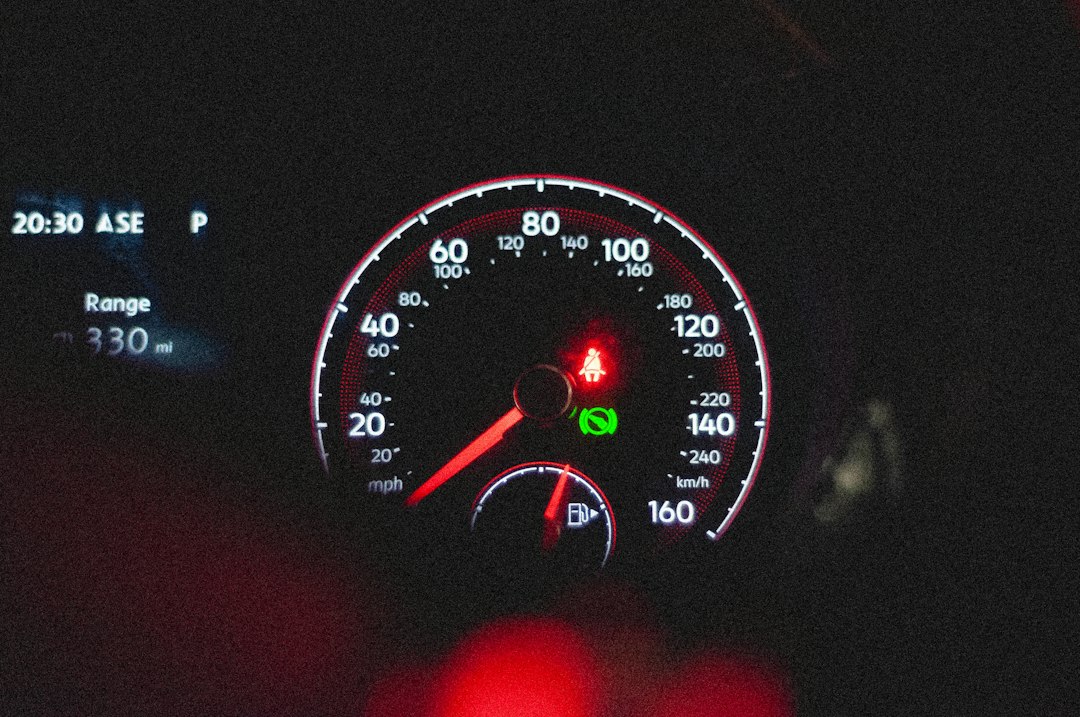
Cold mornings can reveal borderline pressure
Tire pressure responds to temperature changes, so a marginally inflated tire can trigger a warning during a cold morning and later appear normal after warming. NHTSA explains this common behavior and recommends checking all tires with an accurate gauge. The proper solution is confirming cold pressures, leak condition and the recommended placard values.
Do not repeatedly add air based on warm tire readings without considering the manufacturer instructions. A tire may also have a nail, bead leak or valve issue that requires repair. An intermittent light is still information to investigate, particularly when buying a used car with unknown tire age.
Inspect all tires before blaming electronics
Check pressure and size for every mounted tire, inspect treadwear, age markings and sidewall damage, and verify the wheels match the model’s requirements. An underinflated tire can result from an ordinary slow leak or previous neglected maintenance. A TPMS warning that disappears after adjustment does not prove the tire will hold pressure tomorrow.
Our tire-age and tread checklist explains mechanical tire inspection. Keep the results with tire invoices and ask whether puncture repairs were done according to accepted procedures. Tire safety cannot be inferred from the warning light alone.
Ask about tire replacements and sensor service
Sensors may be reused or replaced during tire installation according to system design and condition. Some have nonreplaceable internal batteries; others require programming and relearn steps with compatible equipment. The cost depends on vehicle type, wheel arrangement and market labor prices. No single quoted sensor price applies universally.
Have the repair shop explain the actual fault, which wheels are affected, sensor compatibility, programming, relearn procedure and whether the work includes new valve service parts. A receipt that only says ‘tire rotation’ does not prove sensor fault diagnosis was completed.
TPMS is not a substitute for monthly tire checks
NHTSA recommends monthly cold tire-pressure inspections even on TPMS-equipped vehicles. The warning threshold may not activate until pressure is substantially low, and TPMS cannot fully assess tread damage, wheel condition or punctures. Check before long trips and when temperatures change significantly.
Pressure can affect the economy and safety of a work vehicle, including high-mileage gig operations. A basic, appropriately rated tire gauge is a useful accessory, but do not promote a particular device as a complete safety inspection. Record the actual pressures and any abnormal loss over time.
Include TPMS in the used-car decision file
Record the dashboard’s start-up behavior, current cold tire pressures, tire sizes, sensor fault information, date and findings from a qualified tire shop. Obtain a written repair quote before negotiating. A single sensor issue may be financially manageable, but it should not conceal tire damage or more significant electronic faults.
Compare final vehicle condition using our pre-purchase checklist. If a dealer claims it fixed the warning, verify the system operates normally rather than trusting the absence of a light during one brief start.
TPMS inspection table
| TPMS indicator | Possible condition | Buyer response |
|---|---|---|
| Steady warning | Significant low pressure | Measure and inspect all tires |
| Flashes then steady | Monitoring system fault possible | Professional diagnosis |
| Cold-weather intermittent | Pressure near threshold | Check cold placard pressures |
| No warning | Monitoring not currently alerting | Still inspect tire condition |
| After new tires | Programming or pressure issue | Confirm correct relearn |
Optional automotive shopping resource: An accurate tire gauge and compatible vehicle accessories can help with routine checks. They do not replace a qualified tire inspection. We may earn a commission from qualifying purchases.

Frequently asked questions
What if the TPMS flashes for a minute and stays on?
NHTSA says this can indicate a system malfunction; check the owner’s manual and have it evaluated.
Can a working TPMS guarantee tires are safe?
No. It does not replace tread, sidewall and monthly pressure inspection.
Should I inflate to the PSI on the tire sidewall?
Use the vehicle’s recommended cold placard pressure unless specific approved instructions say otherwise.