
Quick answer: A used car with a replaced engine is not automatically better or worse than one with its original engine. A professionally installed compatible unit with documented cause, parts and testing can be a reasonable repair. But a replacement can also conceal previous overheating, major accident damage or an unfinished mechanical job. The buyer needs to know which engine was installed, its history, whether installation was done properly and what the advertised mileage actually represents.
Editorial note: This guide provides general automotive research, not proof of any specific engine swap or a professional mechanical certification.
Separate vehicle odometer miles from engine miles
The dashboard odometer generally records miles traveled by the vehicle, not the mileage accumulated by a replacement engine. A seller may advertise a car as having a ‘30,000-mile motor’ while its body, transmission and suspension have 150,000 miles. This does not reset the car’s odometer or title mileage.
Ask for the car’s actual odometer reading, replacement date and source-engine mileage evidence. A dismantler’s invoice or documented rebuild record is more informative than a seller’s estimate. Never alter or represent the odometer as though the entire vehicle became new when one assembly was replaced.
Know the difference between used, rebuilt and remanufactured
A used salvage-yard engine is often a complete or partial assembly removed from another vehicle with an advertised history. A rebuilt engine may have been disassembled and repaired to a stated scope by a shop. A remanufactured engine is typically reprocessed to a specified standard by a supplier, but exact terminology and quality standards vary.
Do not accept any label without the supplier’s written definition. Ask whether the engine was a long block, short block or complete assembly; which accessories and cooling components were transferred; whether parts were new; and whether the warranty covers parts only or installed labor.
Verify engine identity and physical compatibility
Check the original vehicle identification and factory engine specifications. The replacement may have a separate serial or donor reference that can be compared with parts information. Confirm engine family, displacement, emissions specification, fuel system and required electronic controls. A mechanically fitting engine might not be legally or electronically compatible with the vehicle.
A different engine code can require ECU, transmission, wiring or emissions modifications. In some states, engine swaps must meet model-year and emissions criteria. Ask a qualified professional familiar with both engines to verify compatibility rather than trusting a generic online parts interchange list.
Read the installation invoice item by item
Request the shop name, date, vehicle VIN, odometer reading when installed, engine supplier, part or serial number, labor performed, and the documented reason for replacing the original engine. A brief invoice saying ‘used motor installed’ leaves too many questions. Ask whether cooling system, timing components, seals, mounts, hoses, oil and fluids were addressed during the job.
A replaced engine may be installed after overheating, oil starvation, flood damage or timing-system failure. Those causes may have affected other components. If the original engine overheated, ask whether the radiator, hoses and fans were tested and whether repairs addressed the underlying cooling defect.
Check the installation quality on the actual car
An independent mechanic should inspect mounts, fluid leaks, wiring harness routing, grounding, hoses, accessory belts, exhaust connections and any unusual noises. A proper evaluation may include engine-specific diagnostic scans and safe road testing. The fact the car starts is not proof that controls, emissions systems and engine health are all satisfactory.
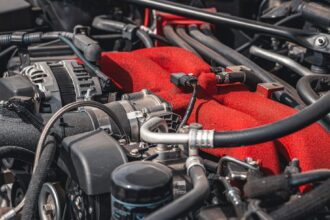
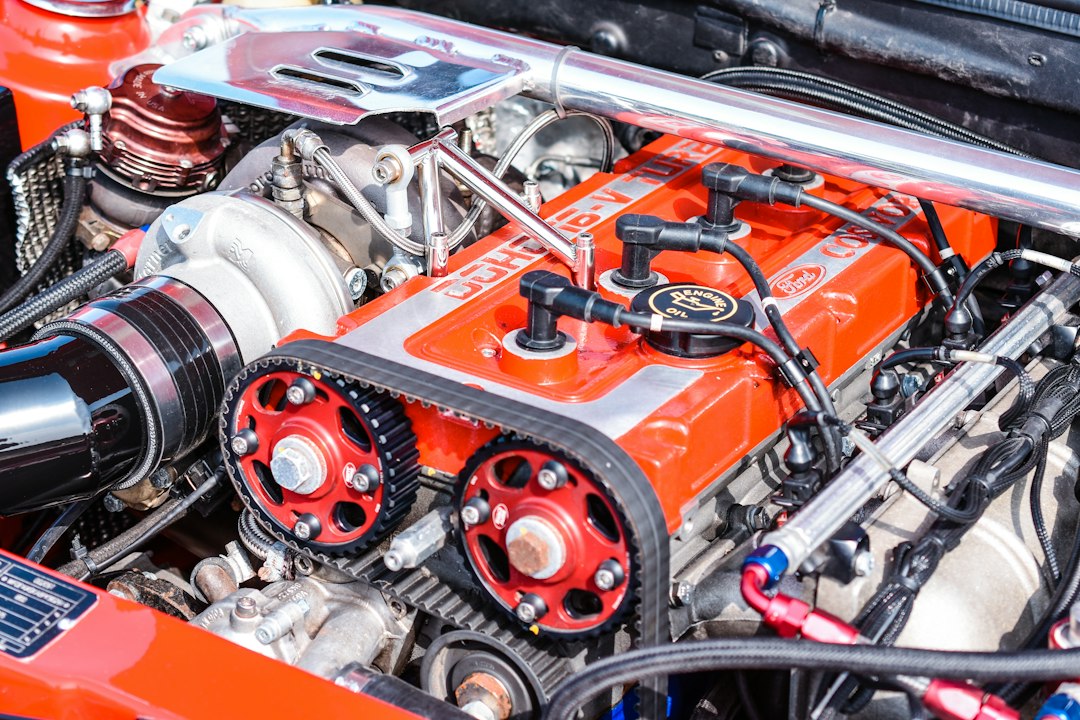
Look for mismatched sensors, loose connectors, improvised wiring, signs of overheating and nonfactory seals. Some visual differences are legitimate model-year design variations, so avoid guessing the defect based on a photograph. Request a written report and allow additional diagnostic time for actual symptoms.
Ask about remaining warranty and transferability
A supplier may cover certain internal engine components while excluding installation labor, diagnostic costs, fluids or related systems. Used engine warranties can also impose installation and maintenance conditions and may not transfer to a later owner. Verify the named warrantor, term, mileage and claims process directly with the provider.
If a shop performed the installation, its workmanship warranty may be separate from the parts warranty. Both may have different expiration dates. Get the actual coverage document rather than a verbal claim of a ‘one-year warranty’ with no exclusions explained.
A replaced engine does not refresh the rest of the vehicle
A new or rebuilt powertrain assembly does not restore the transmission, body structure, suspension, brakes, steering, wheel bearings or electronics. Total ownership costs can still be high in a worn vehicle. Examine the service history before and after replacement and compare upcoming maintenance with a similar car that has its original engine.
The odometer and records may also show how many miles have been driven since installation. A car with only a few miles after a major repair offers limited real-world evidence of postrepair reliability. Request diagnostic testing and do not rely on the assumption that a recently installed engine is automatically proven.
Price and go/no-go decision
Start with comparable vehicles of the same model year, condition and title status. Record the engine documentation and specialist inspection outcome. A high-quality remanufactured installation may support the asking price, while an undocumented salvage swap can increase uncertainty or reduce future buyer interest. No fixed market premium applies to every replaced engine.
Walk away when the engine’s identity is unclear, emissions or title status cannot be verified, serious diagnostic problems persist or the seller blocks inspection. Use our service-record guide and the pre-purchase inspection checklist before deciding.
Replacement-engine buyer record checklist
| Evidence | Why it matters | Risk if absent |
|---|---|---|
| Vehicle VIN / odometer | Vehicle identity and real mileage | False mileage assumptions |
| Engine source invoice | Engine type and history | Unknown donor / rebuild scope |
| Installation report | Workmanship and corrected cause | Unresolved underlying fault |
| Emissions compatibility | Legal road operation | Registration or test failure |
| Warranty terms | Repair responsibility | Unsupported promises |
Frequently asked questions
Does an engine swap reset the car’s mileage?
No. The vehicle odometer continues to represent the vehicle’s accumulated distance.
Is a replaced engine a red flag?
Not automatically. Records, compatibility, installation quality and a proper inspection decide the risk.
Will the engine warranty cover labor?
Not always. Check the exact supplier and installer contracts.