Quick answer: Odometer fraud occurs when a vehicle’s displayed mileage has been improperly altered to misrepresent its use. A clean interior or a low digital number is not proof. The strongest defense is to compare the car’s mileage with dated records, physical wear, title disclosures and an independent inspection. Treat inconsistent readings as questions to investigate—not automatic proof of wrongdoing.
Car Focus uses a step-by-step research framework rather than manufacturer-supplied promises, unsupported rankings or claims of hands-on testing.
Start with the title and documented odometer readings
Ask to see the title and review the odometer disclosure and mileage entry where applicable. Compare the reading with the dashboard and any recent registration, inspection or maintenance paperwork. NHTSA recommends examining title mileage closely, especially if the notation is difficult to read. Older vehicles and certain model-year categories may have different federal disclosure requirements, so do not assume an absence of one form proves fraud. Confirm applicable state rules when purchasing.
Build a chronological mileage timeline
Put every dated reading in a spreadsheet: title events, state inspection records, oil change invoices, tire receipts, dealership service records and a vehicle-history report. Mileage normally rises over time. A newer document with a meaningfully lower reading than an older one needs explanation, as do unusually large gaps. A data entry error can occur, but a seller should be willing to provide records or help investigate discrepancies. Keep copies rather than relying on verbal reassurance.
Inspect wear against the stated mileage
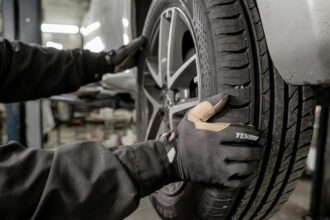
Pedal pads, steering-wheel texture, seat bolsters, switches and shifter surfaces can show long use. They are clues, not a precise mileage meter: delivery driving, climate, owner habits and replacement parts all affect wear. Compare the wear pattern with vehicle age and reported use. NHTSA specifically advises buyers to check interior wear and tires alongside the records. An unusually fresh cabin could reflect responsible detailing or part replacement, so document anomalies without making unsupported accusations.
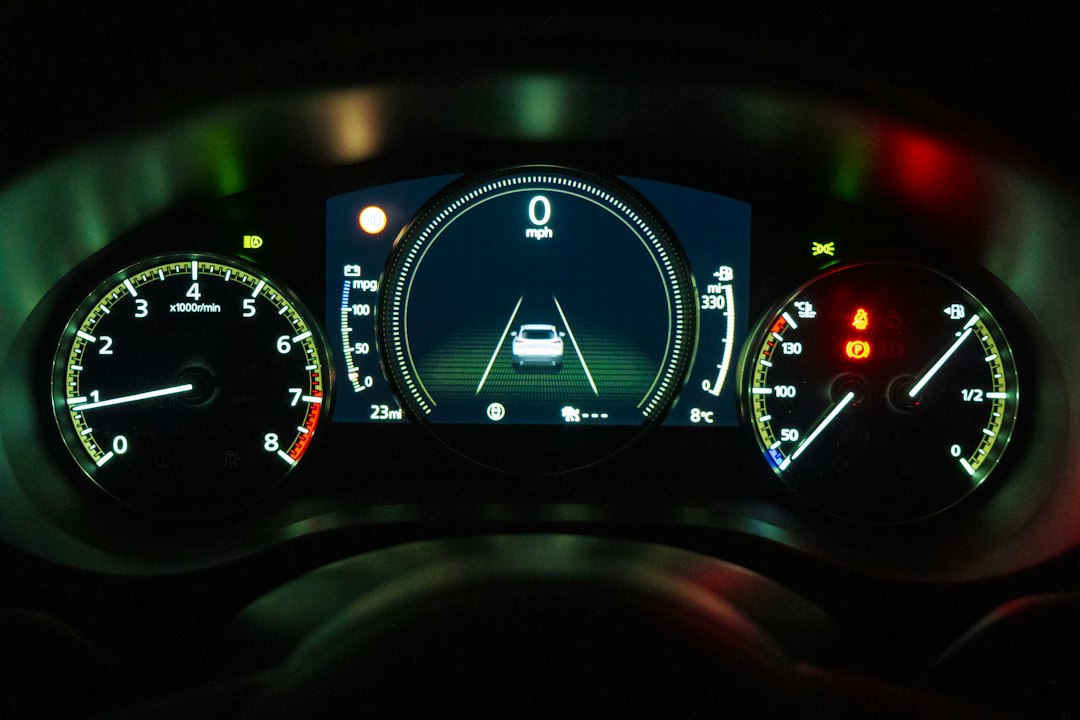
Digital mileage displays can be manipulated
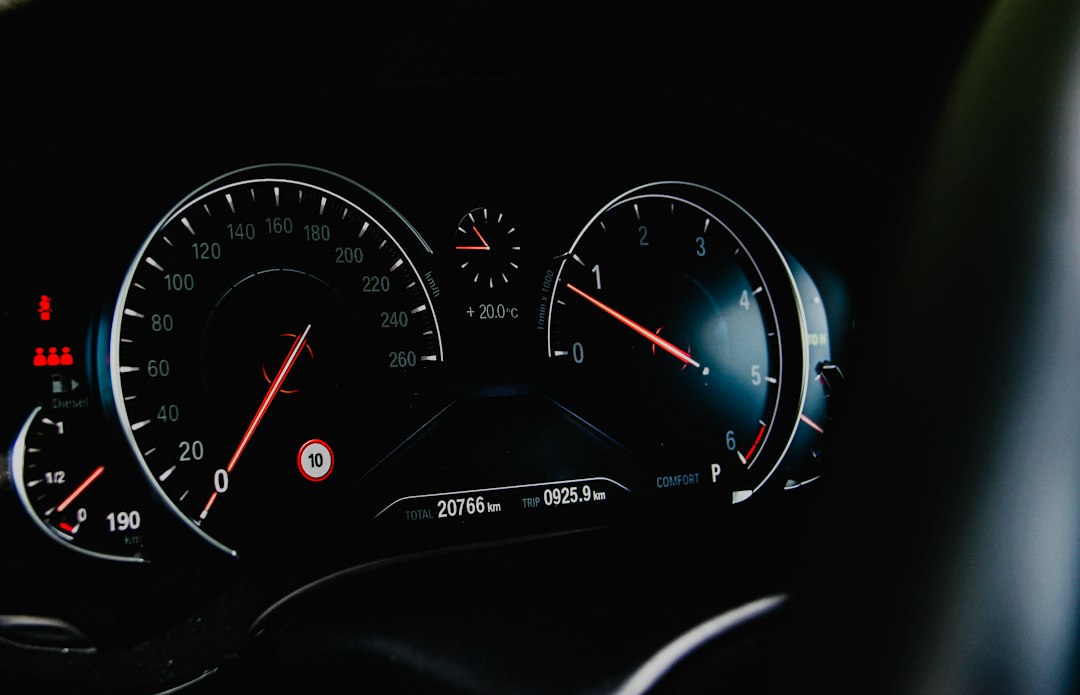
A digital odometer is not inherently tamper-proof. NHTSA warns that electronic systems can be altered. Some vehicles store mileage-related data in multiple control modules, but accessing and interpreting them requires appropriate make-specific equipment and expertise. Avoid assuming a generic scan app can conclusively establish the true mileage. If several indicators disagree, ask an independent shop or dealer service department whether a deeper electronic history check is feasible.
Look for service stickers and replacement clues
Check the windshield, door jamb, glove box and under-hood maintenance labels. A sticker calling for an oil change at mileage higher than the current displayed value is a strong reason to ask questions, although a mislabeled sticker is possible. New tires on a low-mileage vehicle are not proof of fraud because age, punctures or seasonal changes may explain replacement. Evaluate each clue in the context of the complete documentation trail.
What to do when mileage evidence conflicts
Pause any payment or nonrefundable commitment, document the exact discrepancies and request supporting records. If a dealership offers a history report, verify its VIN and source. Consider passing on a car if serious inconsistencies remain unresolved, particularly when the seller will not cooperate. In suspected cases, NHTSA recommends contacting your state enforcement agency; fraud accusations should be supported with records rather than conjecture.
Use a mileage verification worksheet
Record current dashboard mileage, title mileage, oldest and newest service-record readings, inspection-sticker dates, tire dates and reported ownership. Add a notes column for anomalies and seller explanations. Estimate future maintenance based on verified condition rather than a disputed odometer figure. A higher-mileage car with credible history and inspection can be a better purchase than a supposedly low-mileage car with records that do not add up.
At-a-glance evaluation table
| Mileage evidence | What to record | Warning sign |
|---|---|---|
| Dashboard | Displayed mileage at viewing | Doesn’t align with credible documents |
| Title disclosure | Recorded mileage at title event | Unexplained lower later reading |
| Service receipts | Mileage and date for each repair | Timeline moves backward |
| Wear and labels | Pedals, wheel, seats and stickers | Multiple clues inconsistent with claimed use |
Use the checklist below with the specific vehicle, manufacturer’s requirements and credible records rather than treating these cues as conclusive diagnoses.
Practical decision checklist
- Confirm the exact make, model, generation and VIN before comparing vehicles.
- Separate verified evidence from assumptions and seller descriptions.
- Document present condition, known costs and unresolved questions.
- Use an independent professional for safety or technical concerns that you cannot verify.
Optional shopping resource: Vehicle diagnostic and practical car-tech accessories. Car Focus may benefit from qualifying purchases.

Frequently asked questions
Can a digital odometer be rolled back?
Yes. NHTSA warns that digital displays can be altered; physical appearance alone cannot validate mileage.
Does a mileage gap always mean fraud?
No. Reporting delays and data-entry errors exist; investigate before concluding.
Who should I contact about suspected fraud?
NHTSA directs individual buyers to the relevant state enforcement agency.
Sources and research notes
We cite primary government and testing resources as available. General buying advice is not a substitute for a vehicle-specific inspection or personalized legal, safety or financing guidance.
Related Car Focus guides: Selecting used cars, Reliability evidence and ownership-cost research.