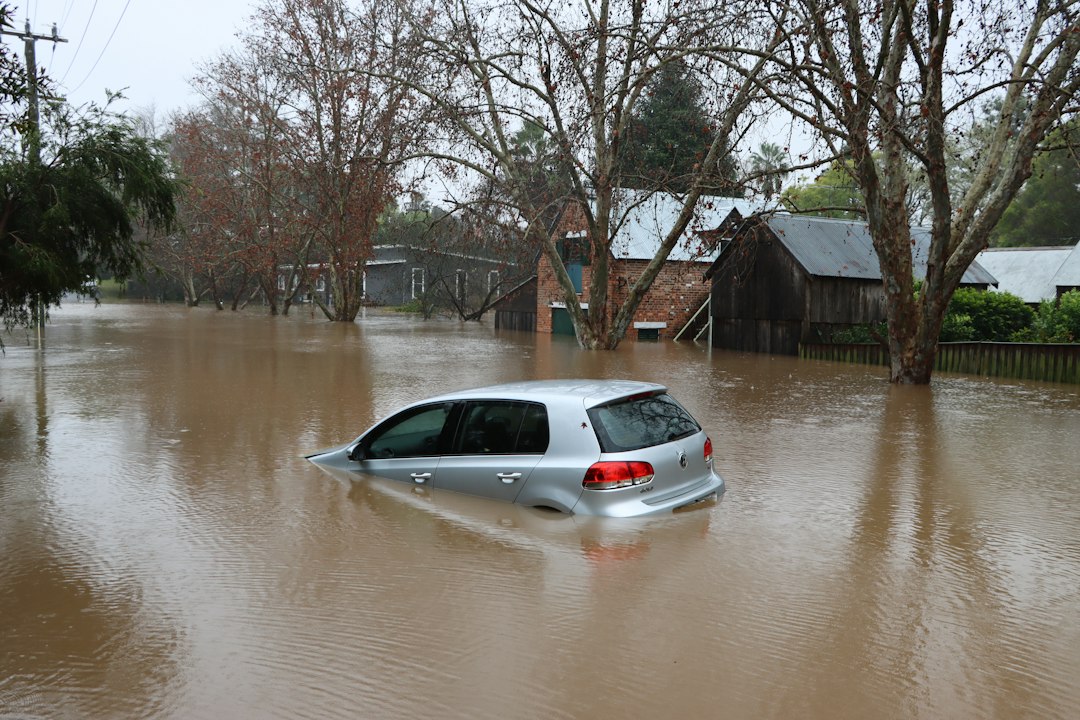
Quick answer: A flood-damaged used car may be cleaned, deodorized and shipped far from the place where water entered it. Water intrusion can compromise electrical connectors, interior materials, safety systems and mechanical components long after the exterior looks normal. Do not conclude a vehicle is flood-free because the carpet is dry or a listing shows a clean title. Combine physical clues, history checks and independent professional evaluation.
Car Focus uses a step-by-step research framework rather than manufacturer-supplied promises, unsupported rankings or claims of hands-on testing.
Look below carpets, seats and trim
Check areas that are difficult to clean thoroughly, such as under seats, below door sills, the spare-wheel well and the edges of carpet or trunk lining. Sand, silt, waterlines, abnormal staining or unexpected rust can be warning signs. A newly replaced floor covering in an older car may have a legitimate explanation, but it is worth asking for paperwork. The FTC recommends checking these hidden locations rather than judging only the exterior paint.
Use your senses without relying on smell alone
Mildew, musty odors or unusually strong perfume and cleaning chemicals can suggest that a seller is masking moisture, but none establishes the cause. Inspect seat belts, air vents and hidden storage for discoloration. Compare the condition of electronics with surrounding trim. A professionally detailed vehicle may smell fresh for innocent reasons, and serious corrosion can be present without an obvious odor. Record observations for an independent technician.
Inspect lighting and electrical behavior
Condensation inside lamps, inconsistent power-window or central-lock operation, flickering displays and multiple unrelated warning lights can all warrant investigation. Not every electronic fault is flood related. A mechanic should trace whether connectors, modules or harnesses show evidence of water exposure, prior repair or corrosion. Flood-damaged vehicle problems can develop gradually; a quick drive around a parking lot cannot rule out expensive future electrical failures.
Check title brands and salvage records
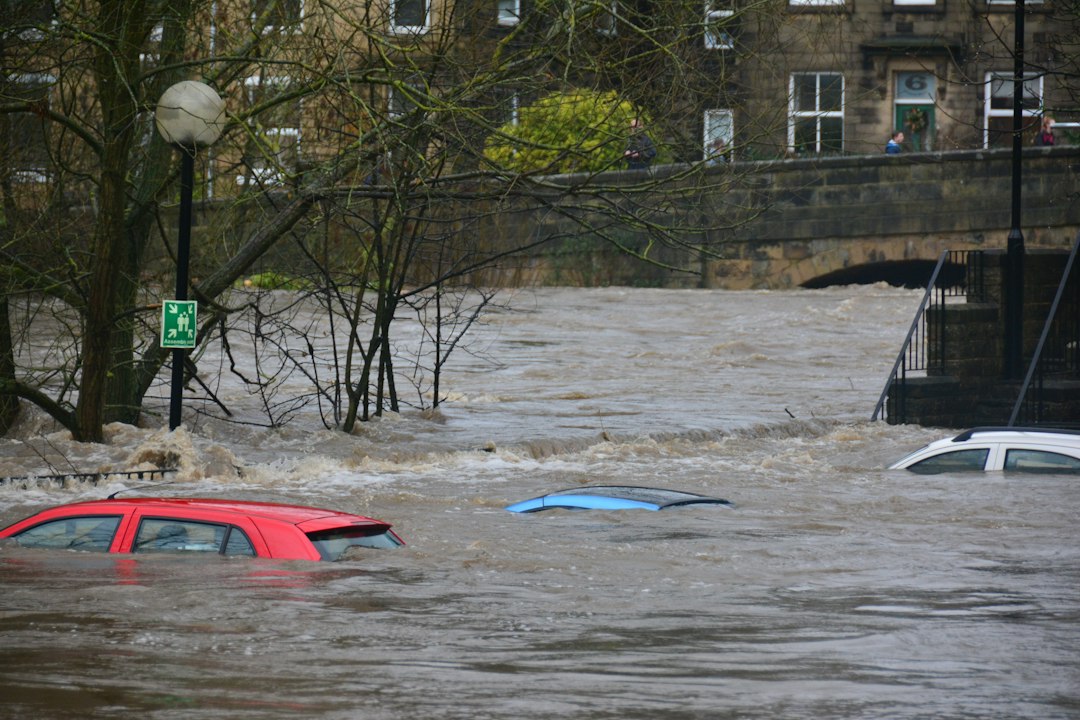
Obtain the VIN, compare physical labels, and research an NMVTIS-backed vehicle-history report for title brands, junk, salvage or insurance total-loss information. A car can cross state lines, and not every reported event reaches every commercial service. The FTC warns that water-damaged cars sometimes move to other markets after storms. A title-history report is important evidence but it is not a guarantee the vehicle has never flooded. Ask who owned the car and where it was kept.
Check damage records from multiple independent sources
The National Insurance Crime Bureau offers a VIN-check service that may identify certain reported theft, salvage or flood-related insurance events. Its coverage does not include every uninsured or unreported damaged car. Compare this with commercial history information and seller repair invoices. If a record mentions a prior total loss, determine why and how the car was repaired. Use a qualified appraiser or mechanic for safety-critical or structural questions.
Why an independent inspection matters more after water risk
Water can contaminate fluids, wiring harnesses and sealed-looking components. A mechanic can examine underbody and cabin corrosion, connector terminals, interior electronics and evidence of improper repairs. Some faults are hidden or intermittent, so discuss limitations and whether special electrical diagnostics are warranted. If the seller refuses a reasonable inspection, choosing a different car can be less risky than accepting an unquantifiable problem at a discounted price.
Make a purchase or walk-away decision
Rank the evidence: verified flood or title damage, unexplained signs, uncertain history and clean professional findings. Avoid guessing the total repair bill from photos. Obtain documented repair information, insurer eligibility and realistic cost estimates before considering any vehicle with prior water exposure. A low initial price can be offset by difficult-to-diagnose faults and resale complications. Consult Car Focus’s history-report and pre-purchase inspection guides for a complete process.
At-a-glance evaluation table
| Inspection area | Look for | Professional follow-up |
|---|---|---|
| Carpet and trunk | Mud, silt, waterline, musty smell | Interior moisture assessment |
| Electrical systems | Corrosion, unpredictable controls | Scan and connector checks |
| Exterior lighting | Unexplained moisture | Seal and wiring assessment |
| Title and history | Flood, junk, salvage or loss reports | Independent record verification |
Use the checklist below with the specific vehicle, manufacturer’s requirements and credible records rather than treating these cues as conclusive diagnoses.
Practical decision checklist
- Confirm the exact make, model, generation and VIN before comparing vehicles.
- Separate verified evidence from assumptions and seller descriptions.
- Document present condition, known costs and unresolved questions.
- Use an independent professional for safety or technical concerns that you cannot verify.
Frequently asked questions
Can a clean title guarantee no flood damage?
No. Title and reporting systems may not capture all events or repairs.
Can a flooded vehicle ever be repaired?
Some can, but damage severity, methods, documentation, safety and future reliability require expert evaluation.
Is fogging inside a headlamp proof of flooding?
No. It has several potential causes and is only one possible clue.
Sources and research notes
We cite primary government and testing resources as available. General buying advice is not a substitute for a vehicle-specific inspection or personalized legal, safety or financing guidance.
Related Car Focus guides: Selecting used cars, Reliability evidence and ownership-cost research.