Quick answer: A VIN, or vehicle identification number, is your starting point for checking the identity of a used car. Modern U.S.-market passenger cars generally have 17-character VINs. The sequence helps identify manufacturer-reported attributes, but it is not a maintenance certificate, accident history or value estimate. Use it to avoid researching the wrong trim, model year or powertrain.
This Car Focus guide provides a buyer-focused process with concrete checks and primary sources, rather than a universal score or unsupported guarantee.
Find the physical VIN before trusting the listing
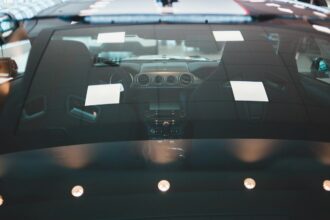
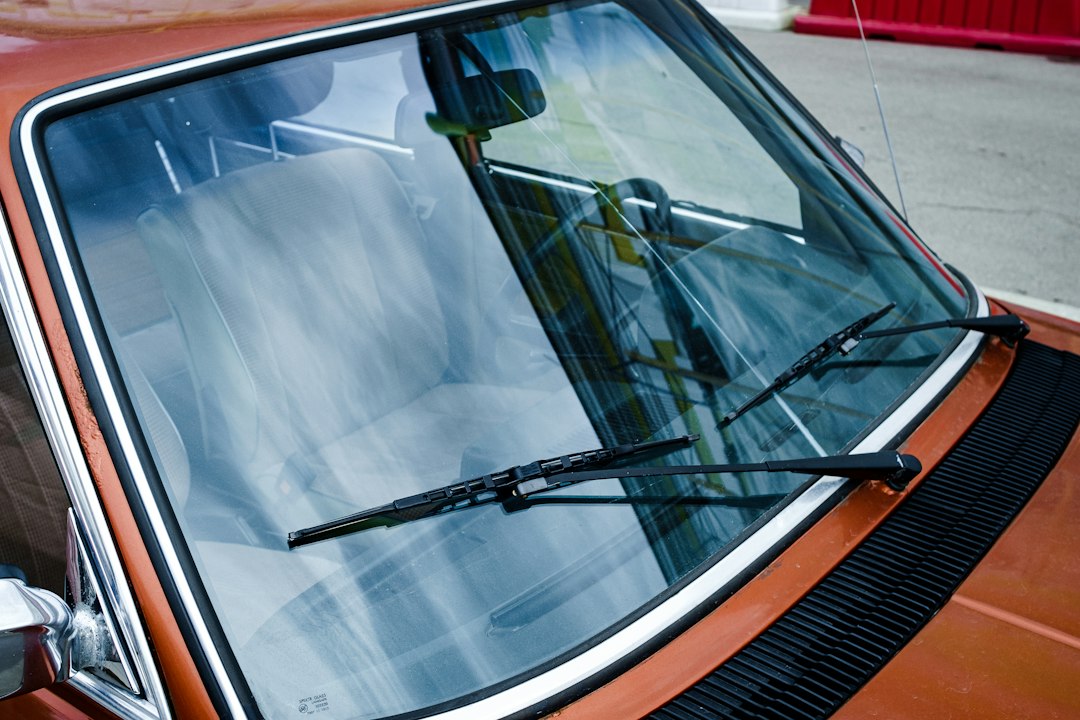
Common locations include a plate visible through the driver’s side windshield and the manufacturer’s label near the driver’s door opening. A title or registration record will also show the VIN. Copy the number carefully, distinguishing similar-looking characters, then compare all locations. If there is a mismatch, pause and ask for an explanation. A typographical error can be resolved, while unexplained identity inconsistencies can create title and ownership risk.
Run the official NHTSA decoder
NHTSA’s free vPIC decoder retrieves manufacturer-submitted descriptors such as make, model year, vehicle type, manufacturing plant and various powertrain or body information when available. Enter the full VIN, confirm the returned results and note anything missing or inconsistent. Some fields may have incomplete coverage because details come from manufacturer submissions. For disputed information, ask the manufacturer or a franchised dealership rather than guessing from a third-party chart.
Understand what is and is not encoded
The VIN has a standardized overall structure with a manufacturer identification portion, descriptive characters and a vehicle-specific serial portion. The precise meanings of many attribute positions are manufacturer-specific. The model-year designation must also be interpreted in context because character codes recur over time. Do not use a single character in isolation to announce the engine, equipment package or crash safety rating. A VIN decoder does not reveal whether a particular vehicle has been neglected.
Compare the equipment with factory records
A dealership listing may call a car a premium trim because it has optional wheels or a look-alike appearance package. Compare the decoded identity with a manufacturer window sticker or build record where available. Confirm engine, transmission, all-wheel-drive capability, safety equipment and infotainment features directly on the car. Generation changes can alter equipment mid-model-year, so a generic brochure may not reflect the exact production configuration. This is especially important for used hybrids and EVs.
Join VIN data with title records
After decoding, search an NMVTIS-based title-history provider for salvage, junk, title-brand and available odometer data. Review service invoices with the same VIN and check the vehicle’s official recall status. Identity, title history, recall records and mechanical condition are separate evidence sets. An accurate decode does not mean the car has a clean title or that a technician would recommend purchasing it.
Check open safety recalls by VIN
Use NHTSA’s recall tool for the exact VIN, not just general news about a model. Some recalls affect specific manufacturing runs, and completed remedies may change what appears as open. Confirm any outstanding action with the manufacturer’s service department, including available repair parts and timing. A recall should be taken seriously, but the right response depends on the defect and remedy status rather than automatic assumptions.
Act on identity red flags before payment
A VIN that decodes to a different model, a missing or visibly altered identification plate, mismatched paperwork or a seller who refuses to supply the number requires further verification. Not every anomaly means fraud, but none should be dismissed because the car looks attractive. Keep screenshots or printed results beside the inspection report and purchase paperwork. For the broader decision process, see our used-car buying framework and vehicle history versus inspection guide.
Decision comparison table
| Check | Official verification | What it does NOT establish |
|---|---|---|
| VIN decode | NHTSA vPIC VIN Decoder | Accident history or roadworthiness |
| Title history | NMVTIS-approved provider | Full maintenance record |
| Open recall status | NHTSA recall lookup | Condition of unrelated components |
| Exact options | Manufacturer build information | Whether all features work today |
Use the table as a starting framework, and record actual findings and written quotes for your own vehicle.
Buyer checklist
- Write down the exact VIN, model year and what is verified.
- Keep the written quote, report or inspection record with your decision file.
- Compare your options on the same criteria before making a commitment.
- Use qualified professional evaluation for concerns outside your expertise.
Optional shopping resource: Optional vehicle-tech accessories and research tools. Car Focus may benefit from qualifying purchases.

Frequently asked questions
Does a VIN tell me if a vehicle was in an accident?
No. Use history records and a physical inspection to research prior damage.
Is a VIN search the same as a recall search?
No. Run a VIN decoder and a separate official recall lookup.
Can I identify exact options from any decoder?
Not always. Factory build records or manufacturer verification can be needed.
Primary sources and methodology
Car Focus uses public consumer guidance and a structured buying framework. This article does not represent hands-on testing of a particular vehicle.
Related Car Focus reading: Used-car buying framework, reliability research, and ownership-cost planning.