Quick answer: A check-engine light in a used car is a warning to investigate, not a repair diagnosis or automatic proof of a ruined engine. Modern onboard diagnostics can record emissions and powertrain-related trouble codes and monitor whether certain checks have completed. A seller may clear a light without fixing the fault, leaving emissions monitors not yet ready. A professional inspection should interpret the exact codes, freeze-frame information, readiness state and vehicle symptoms together.
Editorial standard: This guide synthesizes consumer information and practical inspection questions. It does not claim hands-on testing of any listed model, and specialized diagnosis requires qualified technicians.
Recognize the lamp and dashboard self-check
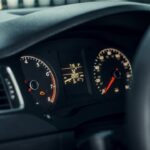
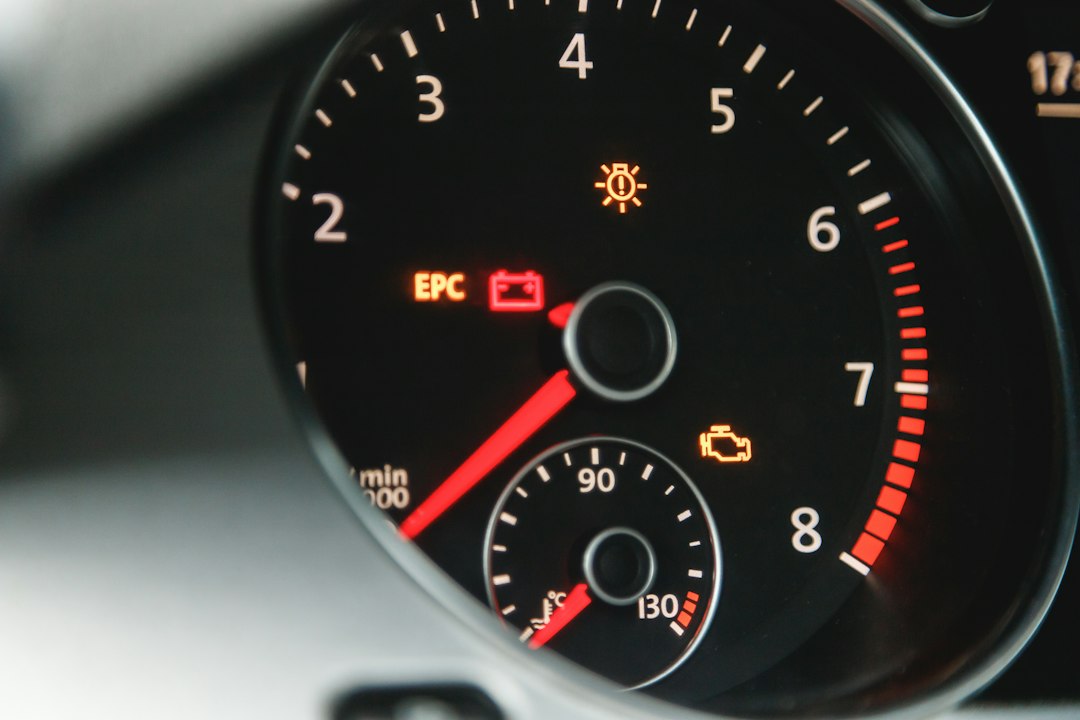
The malfunction indicator lamp (MIL) may appear as an engine symbol or the words Check Engine or Service Engine Soon. During normal ignition self-check it may illuminate and later turn off. If it remains on while the engine is running, consult the owner’s manual and request qualified diagnosis. A flashing light can signal a fault that demands prompt attention; do not assume it is safe to keep driving.
Dashboard designs differ among manufacturers and hybrids; airbag, ABS, battery charging, oil pressure and temperature warnings are separate indicators with different safety implications. Never treat all illuminated lamps as one check-engine issue. Stop and seek assistance if a critical safety or mechanical warning indicates driving may cause harm.
Understand diagnostic trouble codes without guessing the repair
OBD-II equipment can retrieve diagnostic trouble codes, often beginning with letters such as P for powertrain; generic and manufacturer-specific data may coexist. A code can point to a system or measured condition rather than a particular failed component. The same code may have several underlying causes, such as wiring, air leaks, sensors or mechanical faults.
A free parts-store scan can be a useful first clue, but it should not authorize buying a costly component on the spot. Ask a trained technician to review the exact vehicle, symptoms, service history, additional codes and appropriate diagnostic tests. A list of internet ‘most common fixes’ is not the equivalent of diagnosis.
What emissions readiness monitors tell you
EPA guidance explains that OBD readiness monitors report whether onboard checks have completed under required operating conditions. Some monitors require particular temperatures, loads and driving patterns. When codes or battery power have recently been cleared, certain monitors may temporarily show not ready until appropriate driving cycles occur.
Not ready does not automatically mean fraud, but a cluster of incomplete readiness monitors on a car presented for immediate sale deserves an explanation. The dashboard light may be off because a fault was cleared, while the monitor has not yet had an opportunity to rerun and detect the issue. Never encourage a seller to clear codes merely to create a clean screenshot.

Check-engine light on versus off versus recently reset
A steadily illuminated MIL indicates a fault status requiring investigation. A light that is off and all relevant monitors ready may be more reassuring, but it does not guarantee mechanical condition. Intermittent issues can take time to reappear. Read codes and readiness with permission; do not modify stored data or erase codes without the owner’s consent and professional purpose.
Ask whether the seller recently replaced the battery, performed emissions repairs or had a diagnostic reset. A legitimate repair can also clear codes and restart monitoring. Request invoices showing the original fault, confirmed repair and follow-up validation. Documentation is stronger than speculation about a single readiness result.
State emissions inspection can affect purchase value
State and local emissions programs differ, including which vehicles require tests and how incomplete monitors are handled. Some areas require OBD-based testing, while others exempt certain ages or fuel types. If the car cannot meet requirements where you will register it, repairs and retesting may become your responsibility unless the sales contract or local law provides otherwise.
Consult your destination state’s motor-vehicle or environmental agency before buying an out-of-area vehicle. Ask if the seller will arrange a current passing inspection or make a written repair agreement. Avoid relying on a pass from a different jurisdiction as proof the car meets every rule in your county.
What an independent mechanic should evaluate
A written report should identify VIN, current mileage, codes present, pending and historic information when accessible, readiness status, and relevant symptoms. Additional tests might assess misfires, emissions leaks, sensor data, fuel trims or charging voltage as appropriate. Some manufacturer-specific modules and functions require professional scan tools beyond a generic OBD reader.
Ask the technician to distinguish a confirmed defect from a suspected cause and estimate diagnostic costs before a repair quote. A visual inspection also matters: oil leaks, cooling condition, tire wear, accident repairs and fluid status are not ruled out by a code-free engine computer. Review our full inspection checklist.
Negotiate based on a diagnosis, not code anxiety
When the MIL is on or readiness is incomplete, pause the commitment until the fault or monitoring question is resolved. A seller saying ‘it’s just a gas cap’ may be correct in some cases, but the explanation needs evidence. Obtain a shop’s written result and current repair estimate rather than subtracting an arbitrary amount from the price.
If an expensive repair is necessary, compare its full cost against similar inspected vehicles and determine who will pay before signing. Certain defects could affect safety, emissions compliance or warranty eligibility. If the seller will not permit competent diagnosis, the prudent choice may be another car.
A seven-step OBD-II buying workflow
First confirm the dashboard’s normal self-check. Second record active warnings. Third request the VIN and service history. Fourth commission an authorized diagnostic scan and readiness report. Fifth obtain root-cause testing when indicated. Sixth verify repair documentation or current inspection compliance. Seventh compare total cost and risk.
This process complements—not replaces—the history report and inspection evidence stack. The goal is not to find a car with zero codes ever stored; it is to establish its actual current mechanical and legal condition.
Inspection decision table
| Diagnostic finding | Possible meaning | Buyer action |
|---|---|---|
| MIL illuminated | Current monitored issue | Professional diagnosis |
| Code stored | System detected abnormal condition | Verify root cause |
| Readiness incomplete | Test not yet completed | Ask why, verify requirements |
| No codes shown | No available codes in that scan | Still inspect vehicle |
| Critical warning | Potentially urgent condition | Stop driving and seek assistance |
Use the table with the exact VIN, inspection scope and local costs rather than inferring a confirmed repair from a symptom alone.
Optional shopping resource: Basic OBD readers can retrieve some codes, but they do not identify the root cause or replace a qualified mechanic. Car Focus may earn an affiliate commission from qualifying purchases.

Frequently asked questions
Can a seller clear the check-engine light?
Codes may be erased, but this does not repair the cause; monitor readiness can reveal a recent reset.
Does one OBD code identify exactly which part to replace?
No. Codes identify symptoms or systems and require contextual diagnosis.
Does a clean OBD scan guarantee reliability?
No. Many mechanical and safety problems are not captured in generic emissions diagnostics.
Sources and editorial methodology
- EPA — OBD-II Emissions Test Procedures
- EPA — Readiness Monitor and MIL Guidance
- FTC — Independent Pre-Purchase Inspection
Check manufacturer documentation, relevant state rules and qualified professional findings before acting on vehicle-specific risks.